How to Prepare an RFQ for Construction Materials: What to Include Before Requesting Supplier Quotes
A construction RFQ should do more than ask suppliers for a price.
If the request is incomplete, suppliers may quote different specifications, quantities, delivery terms, packaging, lead times, or product configurations. The result is often several quotations that look comparable but are actually based on different assumptions.
For construction procurement teams, the purpose of a Request for Quotation (RFQ) is to create a common commercial and technical basis before suppliers quote.
Procurement rule: the RFQ should create one common technical and commercial quotation basis before suppliers price the requirement.
A good RFQ should help answer one question:
Are all suppliers pricing the same requirement under the same conditions?
This guide explains what to include in an RFQ for construction materials, what information to prepare before sending it, and how to reduce clarification work before quotation comparison begins.
What Is an RFQ for Construction Materials?
A Request for Quotation is a formal request asking selected suppliers to provide pricing and commercial information for a defined material requirement.
For construction material procurement, the RFQ may cover:
- material description;
- quantity;
- specification;
- drawings;
- required standards;
- manufacturer or brand requirements;
- delivery location;
- required delivery date;
- quotation terms;
- commercial conditions;
- documentation requirements.
The purpose is not simply to collect prices.
A useful RFQ creates a consistent basis so that quotations can later be compared technically and commercially.
This distinction matters because:
A low quotation is not necessarily the lowest-cost compliant offer if the supplier has quoted a different scope.
Start With a Clear Material Requirement
Before preparing the RFQ, confirm what the project actually needs.
Relevant sources may include:
- BOQ;
- project specifications;
- drawings;
- material schedules;
- approved manufacturer lists;
- technical schedules;
- site requirements.
At minimum, procurement should be able to identify:
- what material is required;
- how much is required;
- where it will be used;
- what specification applies;
- when it is required;
- whether approval documents or samples are required.
If the material requirement is unclear, the RFQ will also be unclear.
That usually results in more supplier questions, more quotation revisions, and greater difficulty during evaluation.
What Should Be Included in a Construction Material RFQ?
A practical RFQ can be organized into several sections.
1. Project and RFQ Information
Start with basic identification.
Typical information may include:
- project name;
- RFQ number;
- issue date;
- quotation deadline;
- buyer/contact person;
- project location;
- expected delivery location.
This helps suppliers identify the request and prevents confusion when multiple quotations are being handled at the same time.
A clear RFQ number is also useful later when linking:
RFQ → supplier quotation → comparison sheet → purchase order
2. Material Description and Quantity
Each requested item should be clearly identifiable.
Typical fields include:
- item number;
- material description;
- unit;
- required quantity;
- drawing or BOQ reference;
- specification reference.
Avoid descriptions that are too broad.
For example:
Weak: Bathroom fittings — 500 pcs
Better: Wall-mounted stainless steel grab bar, 600 mm, 304 stainless steel, satin finish — 500 pcs
The supplier should not need to guess what product is being requested.
If several options or sizes are required, list them separately rather than combining them into one vague line.
3. Technical Specification
Technical requirements are one of the most important parts of a construction RFQ.
Depending on the material, this may include:
- dimensions;
- material grade;
- thickness;
- finish;
- color;
- performance requirements;
- applicable standards;
- fire rating;
- environmental requirements;
- installation requirements;
- product configuration.
Where detailed project specifications already exist, procurement can reference and attach them rather than rewriting everything inside the RFQ.
The important point is that each supplier receives the same technical basis.
If one supplier quotes the specified product and another quotes its standard alternative, their prices are not directly comparable.
4. Drawings and Reference Documents
Some materials cannot be quoted accurately from a written description alone.
Attach relevant documents where required, such as:
- architectural drawings;
- shop drawing requirements;
- schedules;
- BOQ pages;
- technical specifications;
- detail drawings;
- finish schedules.
Make sure suppliers know which drawing revision applies.
An outdated drawing can create pricing differences that only become visible after the quotation has already been evaluated.
For custom or fabricated products, drawings may define a significant part of the supply scope.
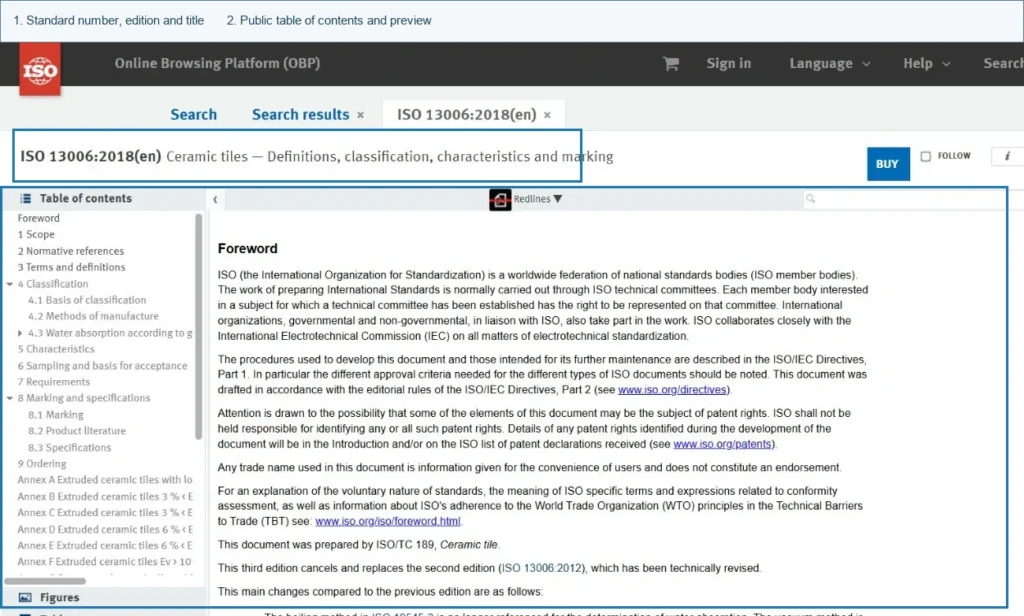
5. Standards, Certification and Documentation Requirements
If specific compliance evidence is required, state it in the RFQ.
Examples may include:
- applicable ASTM, ISO, EN, or other standards;
- product certificates;
- test reports;
- declarations;
- fire-performance documentation;
- environmental documentation;
- technical datasheets;
- sample requirements;
- Material Approval Request documents.
Do not request every possible certificate by default.
The RFQ should reflect the actual project requirement.
A useful question is:
What documents will procurement need from this supplier before the material can be approved and ordered?
Requesting those documents early can reveal suppliers who cannot satisfy the project requirements before significant time is spent negotiating price.
6. Manufacturer and Brand Requirements
Clarify whether the project requires:
- a specified manufacturer;
- an approved brand list;
- an approved equal;
- an equivalent alternative;
- open manufacturer selection.
If alternatives are permitted, ask suppliers to clearly identify them.
A supplier should not silently replace the specified manufacturer with a cheaper alternative and leave procurement to discover the difference during technical review.
Useful RFQ fields may include:
- proposed manufacturer;
- brand;
- model;
- country of origin;
- alternative to specified product — yes/no.
7. Samples and Mock-Ups
For materials where appearance or physical quality matters, specify whether suppliers must provide:
- product samples;
- finish samples;
- color samples;
- mock-ups;
- sample boards.
Also state:
- when the sample is required;
- whether it must be submitted before quotation evaluation or after shortlisting;
- whether sample costs are included or separate.
This is especially useful when the final approval depends on more than technical datasheets.
8. Pricing Structure
Ask suppliers to quote in a consistent format.
Typical pricing fields may include:
- unit price;
- total price;
- currency;
- tooling or mold cost;
- sample cost;
- packaging cost;
- freight if included;
- taxes or duties if applicable;
- other charges.
If suppliers structure prices differently, quotation comparison becomes much more difficult.
For example, one supplier may include packing and another may charge it separately.
The cheaper unit price may therefore not represent the lower total cost.
9. Incoterms and Delivery Basis
For international procurement, clearly state the required delivery basis.
Examples may include:
- EXW;
- FOB;
- CIF;
- DAP;
- DDP.
Do not ask several suppliers for a price without specifying the same Incoterm and then compare their totals directly.
An EXW quotation and a DDP quotation represent very different scopes.
Also specify the relevant location or port where appropriate.
For example:
FOB Shanghai is more useful than simply writing FOB.
Do not compare headline prices until the commercial scope is aligned. EXW, FOB, CIF, DAP and DDP include different responsibilities and cost elements.
10. Lead Time
Do not ask only:
What is your lead time?
Define what the lead time means.
Ask suppliers to distinguish where relevant:
- sample preparation;
- document/submittal preparation;
- production lead time;
- time after deposit;
- time after drawing approval;
- time after final sample approval;
- shipping time.
For project materials, the production clock may not start when the PO is issued.
It may start only after:
- deposit;
- approved shop drawing;
- approved sample;
- confirmed finish;
- final production release.
This distinction can significantly affect the procurement schedule.
11. Packaging Requirements
Packaging can affect both price and project risk.
Where relevant, specify requirements for:
- export packaging;
- pallets;
- crates;
- moisture protection;
- corner protection;
- labeling;
- individual product identification;
- container loading.
If suppliers are free to propose packaging, ask them to describe what is included in their quotation.
This makes later comparison easier.
12. Delivery and Required-on-Site Dates
State the expected schedule clearly.
Useful information may include:
- requested production completion date;
- required shipping date;
- required delivery date;
- required-on-site date;
- phased delivery requirements.
If the final site date is critical, suppliers should understand it before quoting.
A supplier offering a lower price but a lead time that misses the project requirement may not be a viable option.
13. Payment Terms
Ask suppliers to state their proposed payment terms clearly.
Examples may include:
- deposit percentage;
- balance before shipment;
- balance against shipping documents;
- letter of credit;
- credit terms where applicable.
For meaningful quotation comparison, procurement should understand both:
price and cash-flow conditions.
A slightly higher price with significantly better payment terms may have different commercial value.
14. Quotation Validity
Construction procurement decisions may take time.
Ask suppliers to specify how long the quotation remains valid.
This matters when:
- commodity prices fluctuate;
- exchange rates move;
- freight costs change;
- production capacity becomes limited.
If several supplier quotations expire at different times, procurement may need to reconfirm prices before award.
15. Warranty and After-Sales Requirements
Where relevant, ask for:
- warranty period;
- warranty scope;
- replacement process;
- spare parts availability;
- technical support;
- defect handling.
For construction materials used across large projects, a cheap quotation can become expensive if replacement support is poor.
16. Exclusions and Assumptions
This is one of the most important sections of the RFQ.
Ask every supplier to clearly state:
- exclusions;
- assumptions;
- deviations;
- items not included;
- client-supplied requirements;
- optional costs.
A quotation that does not clearly show exclusions can appear cheaper simply because part of the required scope is missing.
Procurement should not assume:
“If the supplier did not mention it, it must be included.”
Make suppliers state their quotation basis.
Ask Suppliers to Declare Technical Deviations
Include a dedicated field or section for deviations.
A simple structure is:
| Requirement | Proposed Offer | Deviation | Supplier Comment |
|---|---|---|---|
| Specified dimension / material / performance / brand / standard | Supplier enters proposed value or product | Yes / No | Explain the difference and any supporting evidence |
This prevents important differences from being hidden inside datasheets or quotation notes.
Possible deviations may involve:
- dimensions;
- materials;
- thickness;
- performance;
- finish;
- brand;
- standards;
- lead time;
- packaging.
A declared deviation can be evaluated.
An undeclared deviation often becomes a problem later.
Create a Standard Supplier Response Format
One of the easiest ways to improve quotation comparison is to control how suppliers reply.
Instead of allowing every supplier to send a completely different quotation format, ask them to complete the same key fields.
For example:
| RFQ Field | Supplier Response |
|---|---|
| Manufacturer | |
| Model | |
| Unit Price | |
| Currency | |
| Incoterm | |
| Lead Time | |
| MOQ | |
| Payment Terms | |
| Quotation Validity | |
| Warranty | |
| Required Certificates Available | Yes / No |
| Sample Available | Yes / No |
| Technical Deviations | |
| Commercial Exclusions |
This does not mean suppliers cannot attach their normal quotation.
It means procurement receives the critical comparison information in a consistent structure.
Common RFQ Mistakes in Construction Material Procurement
Sending Only the BOQ
A BOQ may show quantity and description but not enough technical information for accurate quotation.
Different Suppliers Receive Different Information
One supplier receives drawings and another receives only a material list.
Their quotations are no longer based on the same scope.
No Required Incoterm
Suppliers quote different delivery bases, making prices misleading.
No Document Requirements
Procurement discovers after shortlisting that the cheapest supplier cannot provide required certificates or test reports.
Lead Time Is Undefined
The supplier says “30 days,” but it is unclear whether that means after PO, deposit, sample approval, or drawing approval.
Alternatives Are Not Declared
A supplier quotes a cheaper substitute without clearly identifying the deviation.
Packaging Is Ignored
Price comparison excludes potentially significant export or project-specific packaging costs.
No Quotation Deadline
The RFQ remains open-ended and suppliers respond at different times using changing market conditions.
No Standard Comparison Fields
Procurement receives five quotations in five different formats and must manually reconstruct the scope before comparing prices.
A Practical Construction Material RFQ Checklist
Before sending an RFQ, check whether it includes the following where relevant:
- Project and RFQ reference
- Material description
- Quantity and unit
- BOQ/specification reference
- Technical requirements
- Applicable drawings
- Manufacturer/brand requirements
- Required standards
- Certificates and test documents
- Sample requirements
- Pricing format
- Currency
- Incoterm and delivery location
- Lead time definition
- Required delivery date
- Packaging requirements
- Payment terms
- Quotation validity
- Warranty requirements
- Technical deviations
- Commercial exclusions
- Quotation submission deadline
The purpose is not to make every RFQ as long as possible.
The purpose is to remove ambiguity before suppliers price the requirement.
From RFQ to Quotation Comparison
The RFQ is only the beginning of the supplier evaluation process.
A strong RFQ makes the next stage easier:
Requirement → RFQ → Supplier quotations → Technical comparison → Commercial comparison → Bid leveling → Supplier evaluation → Award / PO
If all suppliers received the same requirement and responded using comparable fields, procurement can focus on real differences instead of spending time reconstructing incomplete quotations.
This is why the quality of the quotation comparison often depends on the quality of the RFQ that came before it.
Tools and Resources for Preparing Construction RFQs
Different procurement resources can support different parts of the RFQ process.
RFQ, BOQ & Evaluation
Useful for:
- RFQ templates;
- BOQ resources;
- quotation comparison sheets;
- bid evaluation tools;
- supplier scorecards.
Standards & Codes
Useful when defining:
- applicable material standards;
- performance requirements;
- code references.
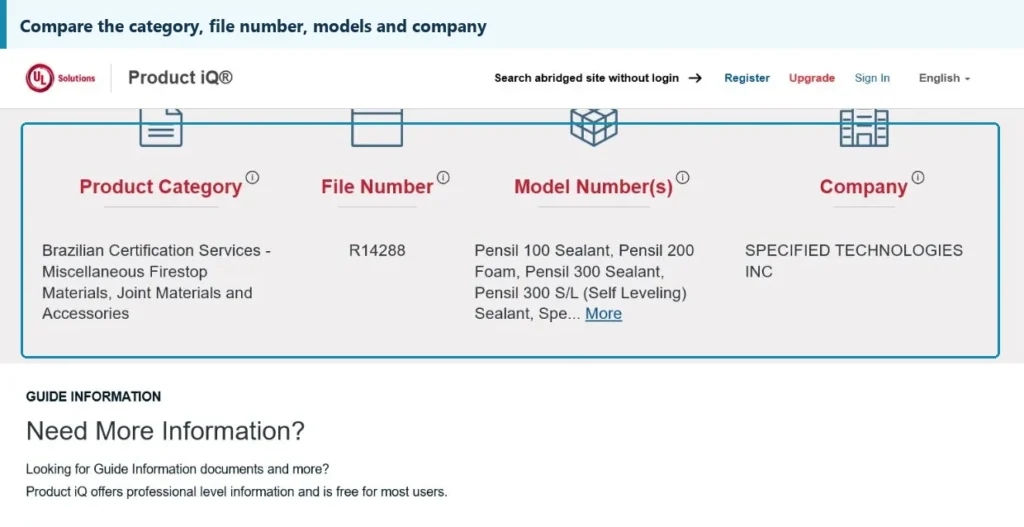
Product Certification
Useful when identifying:
- certificates;
- declarations;
- conformity evidence;
- product documentation required from suppliers.
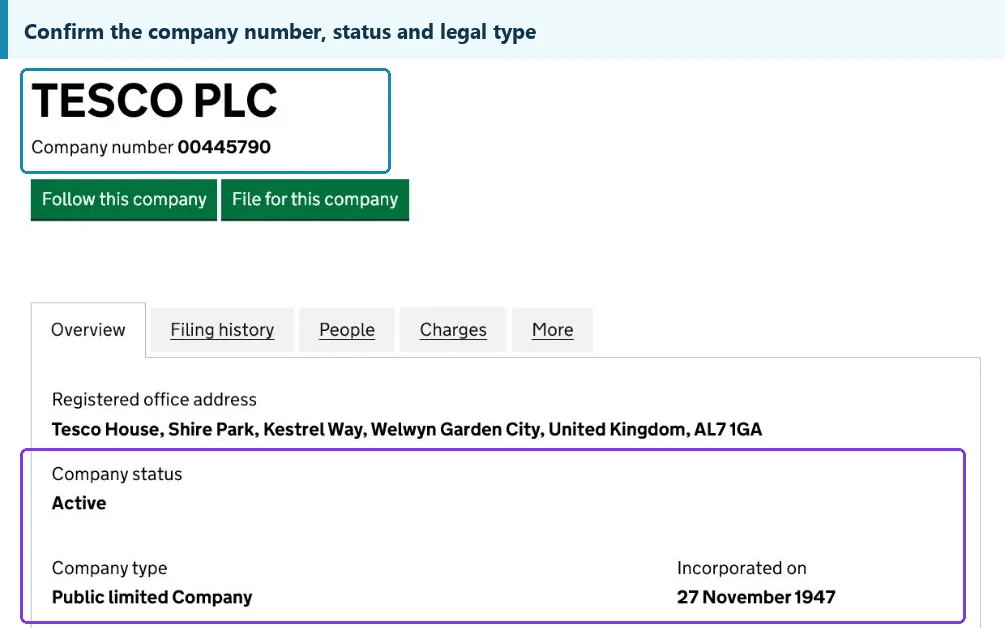
Supplier Verification
Useful when shortlisting or checking the companies responding to the RFQ.
Freight & Import Duties
Useful when comparing international quotations under different shipping or import conditions.
Using the appropriate resource at the RFQ stage can reduce clarification work later in the procurement process.
Build the RFQ on a Common Supplier Quotation Basis
Use the RFQ, BOQ & Evaluation collection for RFQ templates, BOQ resources, quotation comparison sheets, bid evaluation tools and supplier scorecards. Use supporting categories when standards, certificates, supplier identity or import costs must be clarified before comparison.
FAQ
What should be included in an RFQ for construction materials?
A construction material RFQ should normally define the material, quantity, technical specification, relevant drawings, required standards, delivery requirements, pricing format, lead time, payment terms, quotation validity, documentation requirements, and any other conditions necessary for suppliers to quote on a common basis.
Is an RFQ the same as a purchase order?
No. An RFQ asks suppliers to provide pricing and commercial information. A purchase order is issued after the procurement team has evaluated the offers, selected a supplier, and completed the required approval process.
Should an RFQ include the project BOQ?
The relevant BOQ information can be included or referenced, but a BOQ alone may not provide enough detail for accurate quotation. Technical specifications, drawings, standards, and other requirements may also be necessary.
How many suppliers should receive an RFQ?
There is no universal number. The appropriate supplier list depends on the procurement procedure, material category, market availability, project requirements, and sourcing strategy. The important point is that suppliers being compared should receive the same quotation basis.
Why are supplier quotations difficult to compare?
The most common reason is that suppliers have priced different scopes or assumptions. Differences in specification, Incoterms, packaging, lead time, certificates, payment terms, or exclusions can make two headline prices appear comparable when they are not.
