Material Receiving Inspection for Construction Procurement: How to Check Delivered Materials Against the PO and Approved Submittal
A delivery arrives on site with 50 units.
The packing list says 50 units. The cartons look intact. The warehouse team signs the delivery note.
Later, the project team discovers that the delivered product is the correct brand but a different model from the one approved in the material submittal.
The quantity was correct.
Procurement rule: receiving inspection should confirm that the material physically received is the same material the project approved and procurement ordered — not merely that the delivery quantity is correct.
The delivery was still wrong.
For construction procurement teams, receiving inspection should therefore answer more than:
How many units arrived, and are the boxes damaged?
The more important question is:
Is the material physically received the same material that was approved and ordered?
A practical receiving control should connect three records:
Approved Submittal / MAR ↕ Purchase Order ↕ Physical Material Received
Only when these are consistent should the material normally move forward to storage, installation, or further project inspection.
What Is Material Receiving Inspection in Construction Procurement?
Material receiving inspection is the check performed when construction materials arrive at the project, warehouse, or designated receiving point.
Its purpose is to confirm, where applicable:
- product identity;
- quantity;
- visible condition;
- critical specification;
- documentation;
- consistency with the purchase order;
- consistency with the approved material.
Receiving inspection is different from a factory audit, laboratory test, pre-shipment inspection, or installation inspection.
It is the control point between:
Supplier Delivery
and:
Project Acceptance / Storage / Use
The goal is not to re-test the entire product.
It is to make sure the project does not accept the wrong, damaged, incomplete, or unapproved material without noticing.
The Three-Way Check: Approved, Ordered and Received
For technically controlled construction materials, receiving should compare three sources.
1. Approved Material
Depending on the project, this may include:
- approved material submittal;
- Material Approval Request;
- approved technical datasheet;
- approved sample;
- approved drawing;
- approved deviation.
This tells the receiving team:
What product did the project technically approve?
2. Ordered Material
Use commercial records such as:
- purchase order;
- contract;
- approved quotation;
- purchasing specification.
This tells procurement:
What did we actually order from the supplier?
3. Received Material
Use:
- the physical product;
- labels;
- packaging;
- delivery note;
- packing list;
- accompanying documents.
This tells the team:
What has actually arrived?
The core control is simple:
Approved Material = Ordered Material = Received Material
If one side does not match, the discrepancy should be investigated before the material is released.
Step 1: Check Delivery Documents
Before inspecting individual products, confirm the basic delivery information.
Check where relevant:
- supplier name;
- PO number;
- delivery note;
- packing list;
- material description;
- package count;
- quantity;
- shipment reference.
This creates the baseline for physical inspection.
For example:
PO: 100 units Packing list: 100 units Delivery: 5 cartons × 20 units
The receiving team now knows what should be physically present.
Documents alone, however, do not prove that the correct product is inside the packaging.
Step 2: Confirm Product Identity
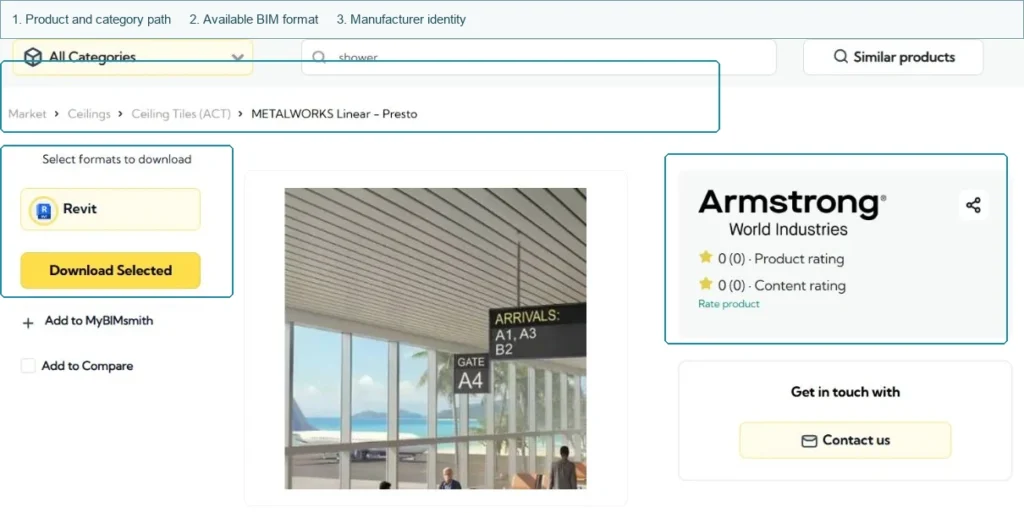
Product identity is one of the most important receiving checks.
Depending on the material, compare:
- manufacturer;
- brand;
- model;
- product code;
- material grade;
- finish;
- size;
- approved revision;
- batch or lot number.
Do not rely on:
“It looks the same.”
For example:
Approved material
Manufacturer A Model X100 304 stainless steel Brushed finish
Delivered material
Manufacturer A Model X120 304 stainless steel Brushed finish
The material may look very similar.
But it is not automatically the approved product.
A suitable status may be:
Hold — clarification required
The key question is:
Can the physical material be traced back to the exact product approved and ordered?
Step 3: Check Quantity Against the PO and Packing List
Compare:
PO Quantity vs. Packing List Quantity vs. Physical Quantity Received
Do not record only the number unloaded from the truck.
Separate where necessary:
- full delivery;
- partial delivery;
- shortage;
- over-delivery;
- damaged quantity;
- accepted quantity.
Example:
PO:
100 units
Packing list:
100 units
Physical receipt:
100 units
But:
4 units damaged
The useful receiving record is:
- Delivered: 100
- Accepted: 96
- Damaged / Hold: 4
not simply:
100 received.
This distinction becomes important later for:
- supplier claims;
- replacement;
- inventory;
- payment;
- project quantity control.
Step 4: Inspect Visible Condition
Check for obvious transportation, packaging, or handling damage.
Depending on the product, this may include:
- cracks;
- breakage;
- scratches;
- dents;
- deformation;
- corrosion;
- moisture;
- contamination;
- broken seals;
- damaged cartons or crates.
Where a visible defect may result in a claim or rejection, record evidence immediately.
Useful evidence may include:
- photographs;
- package numbers;
- affected quantities;
- delivery reference;
- notes on the receiving record.
However:
A product looking undamaged does not prove that it technically complies with the project requirement.
Visible condition is only one part of receiving inspection.
Step 5: Check Critical Technical Characteristics
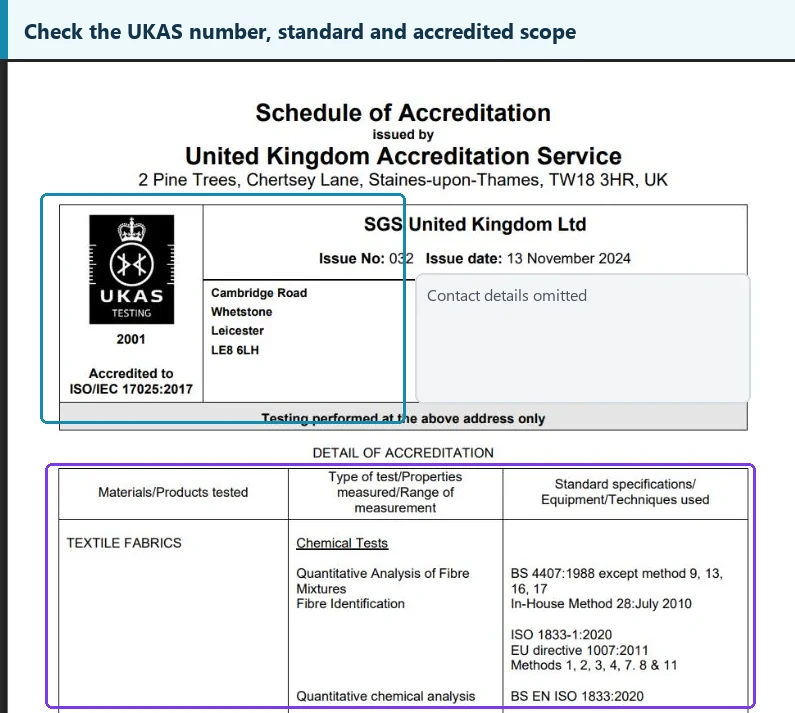
Receiving inspection should confirm characteristics that can reasonably be identified at the receiving point.
Depending on the product, these may include:
- dimensions;
- thickness;
- material grade markings;
- color;
- finish;
- product code;
- accessory type;
- labeling;
- batch information.
For example, if the project approved:
10 mm tempered glass
and the delivery label indicates:
8 mm
the discrepancy should be identified before installation.
Receiving inspection should not pretend to replace specialist testing.
The principle is:
Check critical identifiable characteristics at receipt; use specialist inspection or testing where the project requires more.
Step 6: Compare With the Approved Submittal
This is what makes construction material receiving different from ordinary warehouse receiving.
The physical product should be compared with the project's approved technical record.
A simple comparison may look like this:
| Check | Approved | Delivered |
|---|---|---|
| Manufacturer | Manufacturer A | Manufacturer A |
| Model | X100 | X100 |
| Grade | 304 | 304 |
| Finish | Brushed | Brushed |
| Size | 1200 × 600 | 1200 × 600 |
| Revision | Rev 03 | Rev 03 |
If the supplier delivers another model, brand, finish, or technical configuration, do not assume:
“Equivalent product, so it is okay.”
A supplier substitution may require technical review or formal approval.
A product does not become approved simply because it has already arrived on site.
Step 7: Check Required Product Documents
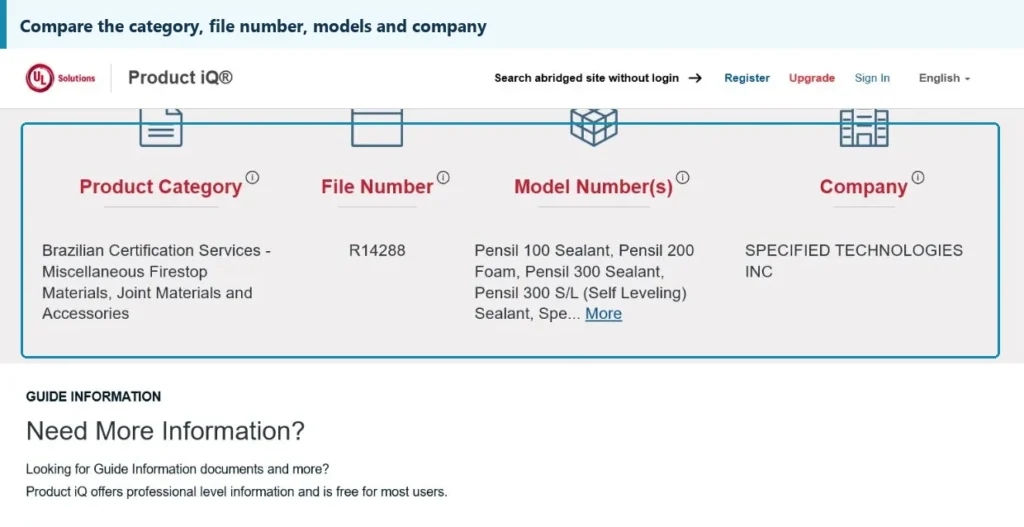
Some materials require supporting documentation to remain traceable through receiving.
Depending on the product and project, this may include:
- certificates;
- Declaration of Performance;
- test reports;
- mill certificates;
- batch certificates;
- warranty documents;
- conformity records;
- installation instructions.
Check whether the document:
- exists;
- identifies the correct manufacturer;
- applies to the correct product;
- corresponds to the delivered batch where relevant.
Detailed certificate verification is a separate task.
At receiving stage, the main question is:
Are the documents required for this material available and traceable to what was delivered?
Step 8: Record Batch, Lot, Heat or Serial Numbers Where Relevant
For materials requiring traceability, record identifiers such as:
- batch number;
- lot number;
- heat number;
- serial number;
- production date.
These references may later be needed to connect the installed product with:
- test records;
- certificates;
- warranty claims;
- defect investigations;
- supplier corrective actions.
Not every material needs this level of traceability.
Use it where the project or product requires it.
Step 9: Check Storage and Handling Requirements
A material can arrive in perfect condition and still become unusable before installation.
Receiving should therefore identify important storage or handling requirements.
Examples include:
- dry storage;
- covered storage;
- vertical storage;
- temperature control;
- UV protection;
- moisture protection;
- special lifting;
- protected edges;
- maximum stacking height.
Ask:
Can the project store this material correctly after acceptance?
Good receiving control should protect the material beyond the moment the delivery truck leaves.
Step 10: Assign a Clear Receiving Status
Avoid using only:
Pass / Fail
A more useful construction receiving workflow may include:
Accept
Material matches requirements and can proceed.
Accept With Record
A minor issue exists but does not prevent acceptance.
Example:
Outer packaging is slightly damaged, but the product is unaffected.
Hold
Material should not be released until clarification is completed.
Examples:
- model unclear;
- certificate missing;
- possible substitution;
- quantity discrepancy;
- technical identity uncertain.
Reject
Material clearly fails a requirement.
Examples:
- wrong product;
- major damage;
- wrong size;
- wrong material grade.
NCR / Formal Non-Conformance
Use where the project's quality procedure requires formal recording and corrective action.
Exact terminology should follow the project QA/QC system.
When Should Material Be Put on Hold?
A hold status is useful when immediate acceptance would be risky but outright rejection is premature.
Possible triggers include:
- model does not match the approved submittal;
- manufacturer differs;
- documents are missing;
- product identity is unclear;
- possible transport damage requires investigation;
- batch information cannot be confirmed;
- supplier has made an unapproved substitution.
The principle is:
If important information is unresolved, keep the material controlled until the question is answered.
This prevents questionable products from entering site inventory and later being installed accidentally.
Physical Receipt Is Not Always Technical Acceptance
Receiving teams should understand what they are signing.
Depending on company and project procedures, a delivery signature may acknowledge only:
- delivery received;
- number of packages;
- visible condition.
It may not necessarily mean:
The product is technically approved and accepted for installation.
Where the procedure allows, record visible shortages or damage when the delivery is received.
The important procurement distinction is:
Physical receipt and technical acceptance should not automatically be treated as the same decision.
Build a Material Receiving Inspection Record
A practical receiving record may include:
| Field | Purpose |
|---|---|
| Date | Receiving date |
| Project | Project reference |
| Supplier | Delivery source |
| PO Number | Commercial reference |
| Delivery Note | Delivery reference |
| Material | Product description |
| Manufacturer / Brand | Identity |
| Model / Product Code | Product match |
| Approved Submittal Ref. | Technical reference |
| PO Quantity | Ordered amount |
| Delivered Quantity | Physical receipt |
| Accepted Quantity | Usable quantity |
| Damage / Defect | Condition |
| Documents Checked | Certificate / report etc. |
| Batch / Lot | Traceability |
| Status | Accept / Hold / Reject |
| Photos | Evidence |
| Action Required | Follow-up |
| Inspector / Receiver | Responsibility |
The form does not need to be complicated.
It needs enough information to answer:
What arrived, what did we check, what was accepted, and what needs action?
A Practical Receiving Inspection Example
Suppose the project ordered:
100 ceramic wall tiles — Brand A / Series X / White / 600 × 1200 mm
Approved submittal:
Brand A / Series X / White / 600 × 1200 mm
Delivery inspection finds:
- 100 boxes delivered;
- correct brand;
- correct series;
- correct dimensions;
- correct color;
- 4 boxes visibly damaged.
Receiving result:
96 accepted
4 held / damaged
Now change only one detail.
Delivered product:
Brand A / Series X2 / White / 600 × 1200 mm
The quantity is correct.
The color is correct.
The dimensions are correct.
But the model is different from the approved submittal.
Receiving result:
Hold — technical confirmation required
This is why receiving inspection cannot be reduced to quantity counting.
Receiving Inspection vs Material Inspection Request
These are related but not necessarily identical.
Receiving Inspection
Occurs when materials arrive.
Its main question is:
What was received, and does it match the approved and ordered material?
Material Inspection Request (MIR)
On many projects, an MIR is part of a more formal project QA/QC inspection workflow and may involve:
- engineer;
- consultant;
- QA/QC;
- formal approval records.
The exact MIR process varies by project.
Do not assume every project uses the same form or approval sequence.
Receiving Inspection vs Pre-Shipment Inspection
These controls happen at different stages.
Pre-Shipment Inspection
Occurs before dispatch.
Its purpose may include:
- checking production quality;
- identifying defects before freight;
- reviewing packing;
- preventing avoidable shipment problems.
Receiving Inspection
Occurs after delivery.
It confirms:
- what actually arrived;
- transportation damage;
- quantity;
- product identity;
- consistency with project records.
For higher-risk construction materials, both controls may be useful.
Connect Receiving Inspection to Procurement Records
Receiving should close the loop created earlier in the procurement process.
The traceability chain is:
Approved Submittal → what the project approved
Purchase Order → what procurement ordered
Packing List / Delivery Note → what the supplier claims to have shipped
Receiving Inspection → what physically arrived
Storage / Installation → what eventually entered the project
This allows the team to answer later:
- Which supplier delivered the material?
- Which PO covered it?
- Which model was approved?
- Which batch was received?
- Was any damage recorded?
- Was a substitution accepted?
- What quantity was actually usable?
Common Material Receiving Mistakes
1. Checking Quantity Only
Correct quantity does not prove correct product.
2. Comparing Only With the PO
The PO may not contain every approved technical characteristic.
Check the approved submittal as well.
3. Accepting “Similar” Products
Equivalent products may still require approval.
4. Ignoring Product Labels
Similar packaging can contain different models or grades.
5. Failing to Record Damage
Later claims become much harder.
6. Treating Delivered Quantity as Accepted Quantity
Damaged or held material should be separated.
7. Losing Batch or Certificate Traceability
Important project evidence may disappear after unpacking.
8. Signing Before Recording Visible Exceptions
Document shortages or damage when identified.
9. Poor Storage After Acceptance
Correct material can still become unusable.
10. No Link to the Approved Submittal
The site cannot demonstrate that the received product is the approved product.
Tools and Resources for Material Receiving Inspection
Different receiving questions may require different procurement resources.
Project Documents & Submittals
Useful for:
- approved material records;
- receiving inspection forms;
- Material Inspection Requests;
- document registers;
- approval references.
Product Certification
Useful when the delivery must be linked to:
- certificates;
- conformity records;
- test evidence;
- product declarations.
Common Procurement Tools
Useful for:
- receiving report templates;
- goods-received forms;
- material trackers;
- inspection checklists.
Supplier Verification
Useful when repeated delivery inconsistencies raise broader concerns about supplier reliability.
RFQ, BOQ & Evaluation
Useful for tracing the original:
- specification;
- quotation;
- commercial scope;
- order basis.
Use the PO and approved submittal as the receiving references before the material disappears into site inventory.
Material Receiving Inspection Checklist
Before accepting a construction material delivery, confirm where applicable:
- PO number matches.
- Delivery note or packing list is available.
- Supplier identity matches.
- Manufacturer or brand matches.
- Product model or code matches.
- Approved submittal reference is identified.
- Quantity is physically checked.
- Partial, short, or over-delivery is recorded.
- Visible damage is inspected.
- Critical dimensions or specifications are checked.
- Finish, color, or grade is checked where relevant.
- Batch, lot, or serial information is recorded where necessary.
- Required product documents are available.
- Delivered product matches the approved material.
- Delivered product matches the ordered material.
- Unapproved substitutions are placed on hold.
- Photos are recorded for significant discrepancies.
- Accepted and held/rejected quantities are separated.
- Storage and handling requirements are identified.
- Receiving status and next action are recorded.
Close the Loop Between Approval, Purchase and Physical Receipt
Use the Project Documents & Submittals collection for receiving inspection forms, Material Inspection Requests, approval records and document registers. Use Product Certification when delivered materials must remain traceable to certificates, declarations or test evidence.
FAQ
What should be checked when construction materials are delivered?
Check product identity, quantity, visible condition, critical specification, required documentation, and whether the delivered product matches both the purchase order and the approved material submittal.
What is a material receiving report?
A material receiving report records what was delivered, the quantities and condition received, relevant purchase-order and delivery references, inspection results, and the final receiving status.
Should received materials be compared with the purchase order or the approved submittal?
For technically controlled construction materials, both. The PO confirms what procurement ordered, while the approved submittal confirms what the project technically approved.
What should happen if the delivered material differs from the approved submittal?
Record the discrepancy and do not automatically release the material for use. Follow the project's hold, clarification, substitution, rejection, or non-conformance procedure as appropriate.
What is the difference between receiving inspection and an MIR?
Receiving inspection checks the material when it arrives. A Material Inspection Request is often part of a more formal project QA/QC or consultant inspection workflow. The exact MIR process varies by project.
