How to Find and Shortlist Construction Material Suppliers for a Project
Finding construction material suppliers is easy.
Finding the right suppliers for a specific project is much harder.
A buyer can search Google, browse B2B marketplaces, check manufacturer directories, review trade-show exhibitors, or contact local distributors and quickly collect dozens of company names.
But a long list of supplier names is not yet useful procurement work.
Procurement rule: finding supplier names is not the goal. Build a relevant longlist, screen obvious mismatches, create a shortlist, then spend verification and RFQ effort only on suppliers worth pursuing.
The real task is to move from:
Material Requirement → Relevant Supplier Market → Supplier Longlist → Shortlist → Due Diligence → RFQ
The key principle is:
Finding suppliers is not the same as finding supplier names. The goal is to identify a small group of relevant companies that are worth deeper verification and quotation.
Start With the Material Requirement, Not the Search Engine
Before searching for suppliers, define what the project actually needs.
At minimum, clarify where relevant:
- product or material;
- specification;
- grade or dimensions;
- quantity;
- required standard;
- certification requirements;
- customization;
- project location;
- required-on-site date;
- approved brand or manufacturer restrictions.
Compare these two sourcing briefs:
Weak
Need aluminum windows.
Better
Thermally broken aluminum window system for a hotel project, with project-specific performance requirements, technical submittal documents, and delivery to the UAE.
The second brief immediately helps procurement determine:
- what type of supplier to search for;
- which countries or markets are practical;
- whether a manufacturer or distributor is more suitable;
- which companies can be removed quickly.
Poor supplier sourcing often begins with a vague material requirement.
Step 1: Decide What Type of Supplier You Need
Not every company selling the product serves the same procurement purpose.
Manufacturer
A manufacturer may be the best starting point when the project requires:
- customization;
- project-specific dimensions;
- large quantities;
- direct production control;
- engineering support;
- factory pricing.
Possible limitations include:
- MOQ;
- longer international logistics;
- less local after-sales support;
- higher verification requirements for new overseas suppliers.
Distributor
A distributor may be more suitable when procurement needs:
- local stock;
- established brands;
- shorter delivery times;
- technical support;
- local warranty or service.
This is especially useful when the project specification already names an international brand.
Wholesaler
Wholesalers are often useful for:
- standard products;
- commodity materials;
- bulk stock;
- straightforward purchasing.
They may be less suitable for highly customized or technically complex project packages.
Importer
A local importer can be useful when the required product is manufactured overseas but already has an established local supply channel.
The importer may handle:
- customs;
- inventory;
- local delivery;
- communication with the overseas manufacturer.
Local Supplier or Dealer
Local suppliers can be attractive when the priority is:
- urgent delivery;
- small quantity;
- replacement materials;
- site coordination;
- local installation support.
The correct question is therefore not simply:
Where can I buy this product?
It is:
What type of supplier is most suitable for this procurement requirement?
Manufacturer vs Distributor vs Wholesaler: Which Should You Search First?
A simple starting framework is:
| Procurement Situation | Supplier Type to Consider |
|---|---|
| Custom project product | Manufacturer |
| Large repeat volume | Manufacturer / Master Distributor |
| Specified international brand | Authorized Distributor |
| Small urgent quantity | Local Supplier |
| Standard commodity material | Wholesaler / Distributor |
| Imported specialist product | Manufacturer + Local Importer |
| Replacement item | Local Distributor / Dealer |
This is not a universal rule.
Project quantity, customization, lead time, technical requirements, and local support can all change the preferred sourcing route.
Step 2: Choose the Right Supplier Search Channel
Different sourcing channels are useful for different tasks.
Relying on one platform for every material category creates unnecessary blind spots.
Search Engines
Search engines are useful for discovering:
- manufacturer websites;
- local suppliers;
- niche products;
- country-specific companies.
Their strength is broad coverage.
Their weakness is that results can mix:
- manufacturers;
- retailers;
- installers;
- lead-generation sites;
- marketplaces;
- unrelated businesses.
Search results therefore need screening.
Manufacturer and Industry Directories
Directories can help procurement find:
- specialist manufacturers;
- industrial suppliers;
- companies within a defined product category.
They are especially useful where normal Google results are dominated by retailers or consumer-facing websites.
But remember:
Being listed in a directory is not the same as being qualified for your project.
B2B Sourcing Platforms
B2B platforms can be useful for:
- overseas supplier discovery;
- manufacturer longlisting;
- broad market exploration;
- early-stage comparison.
They are efficient for finding names, but procurement usually needs stronger verification before increasing commercial exposure.
Trade Association Directories
Industry associations sometimes maintain lists of:
- manufacturers;
- distributors;
- certified members;
- specialist contractors.
These can be useful for narrower material categories where industry participation matters.
Trade Show and Exhibition Directories
Exhibitor directories can help identify companies actively marketing within a product category or geographic market.
Useful information may include:
- company name;
- product category;
- country;
- website;
- booth or exhibition profile.
Exhibition participation does not prove quality or reliability, but it can be an efficient discovery source.
Official Manufacturer Dealer Locators
If the project specifies a particular brand, start with the manufacturer's official dealer or distributor network where available.
This can be more useful than searching:
Brand + supplier
through general search results.
It can help confirm whether a local company is actually part of the manufacturer's distribution network.
Local Distributor Searches
Local supplier searches are particularly useful where:
- stock availability matters;
- delivery is urgent;
- the order quantity is small;
- local support is important.
Trade and Import Data Resources
Trade-data resources can help procurement investigate:
- active exporters;
- importers;
- companies already trading a product;
- existing trade relationships.
These are supporting sourcing resources rather than proof that a supplier is suitable.
Which Search Channel Should You Use First?
A practical rule is to match the search method to the material.
Standard Material Available Locally
Start with:
local distributors and wholesalers
Custom or High-Volume Product
Start with:
manufacturers
Specialist or Niche Product
Start with:
industry directories + manufacturer searches
International Sourcing
Use a combination of:
manufacturer directories + B2B platforms + trade-show resources + direct search
Brand Already Specified
Start with:
official brand and authorized dealer resources
Do not use the same supplier-search method for every procurement package.
Step 3: Search With More Than “Product + Supplier”
A generic search such as:
ceramic tile supplier
may produce useful results, but it can also mix completely different supplier types.
Use modifiers based on the actual procurement task.
Product + Manufacturer
commercial porcelain tile manufacturer
Product + Distributor
fire rated door distributor UAE
Product + Country
sanitary ware manufacturer Turkey
Product + Project Type
hotel bathroom fixtures supplier
Product + Standard
EN 14411 porcelain tile manufacturer
Product + Performance Requirement
60 minute fire rated glass manufacturer
Brand + Distributor
[Brand] authorized distributor Saudi Arabia
Product + Factory
aluminum window factory China
Product + OEM
bathroom fixture OEM manufacturer
Different search terms expose different parts of the supplier market.
This helps procurement build a more balanced longlist.
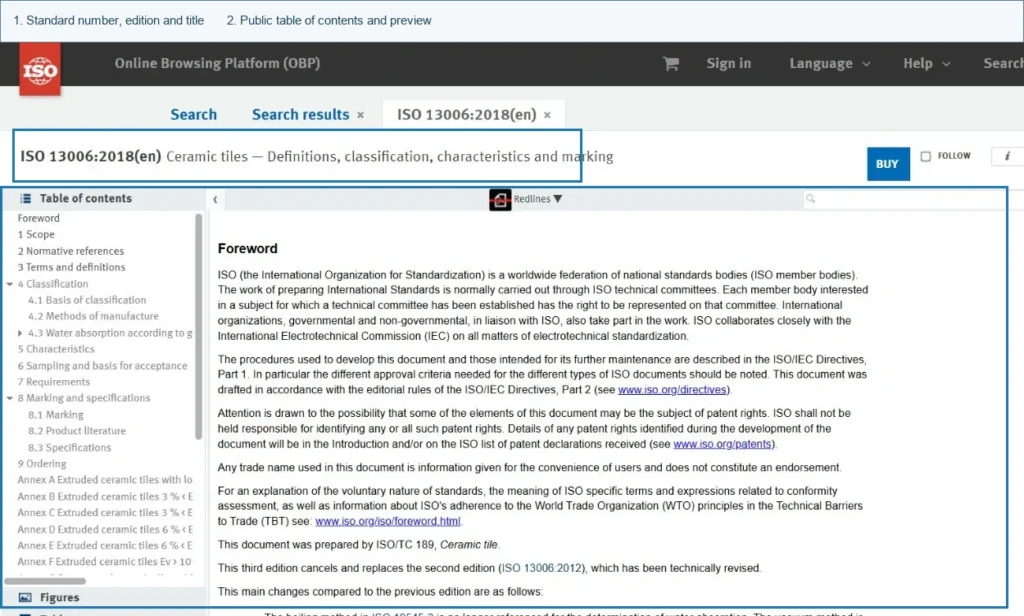
Step 4: Build a Longlist Before Deep Verification
One common sourcing mistake is finding one promising supplier and immediately spending significant time verifying it.
A better process is to first understand the available market.
Create a longlist with simple fields such as:
| Field | Purpose |
|---|---|
| Company | Supplier identity |
| Website | Main reference |
| Country | Supply location |
| Supplier Type | Manufacturer / Distributor / Other |
| Product Match | Strong / Partial / Weak |
| Market Fit | Local / Export / Project |
| Documentation | Initial indication |
| Search Source | Google / Directory / Exhibition etc. |
| Notes | Early observations |
Depending on the product and market, procurement may initially identify perhaps 10–20 potentially relevant companies.
This should not be treated as a fixed target.
For a very specialized product, three credible suppliers may already represent most of the market.
For a commodity product, dozens may be available.
The principle is:
Search broadly enough to understand your options before spending heavily on individual suppliers.
Step 5: Run a Rapid Relevance Check
The longlist should now be reduced through a short first-pass review.
This is not full supplier due diligence.
The question is simply:
Is this supplier relevant enough to deserve more procurement effort?
Product Relevance
Does the company genuinely manufacture or supply the required product?
If the material appears only as one small, unrelated product category, investigate carefully.
Supplier Role
Identify whether the company is actually a:
- manufacturer;
- distributor;
- trader;
- retailer;
- installer.
A project requiring factory customization should not accidentally shortlist a retail reseller.
Project Capability
Look for evidence of:
- commercial supply;
- project work;
- bulk orders;
- technical product support;
- relevant market experience.
Geographic Fit
Consider whether the company can realistically support:
- the project country;
- export route;
- shipping requirement;
- local delivery requirement.
Documentation Capability
Look for early evidence of:
- technical datasheets;
- certification information;
- drawings;
- test reports;
- project documentation.
Do not request everything yet.
At this stage, you only need to know whether the supplier appears capable of supporting a formal procurement process.
Basic Business Credibility
Check whether the supplier presents a coherent business identity through:
- company name;
- address;
- contact information;
- website;
- product information.
Deeper legal verification comes later.
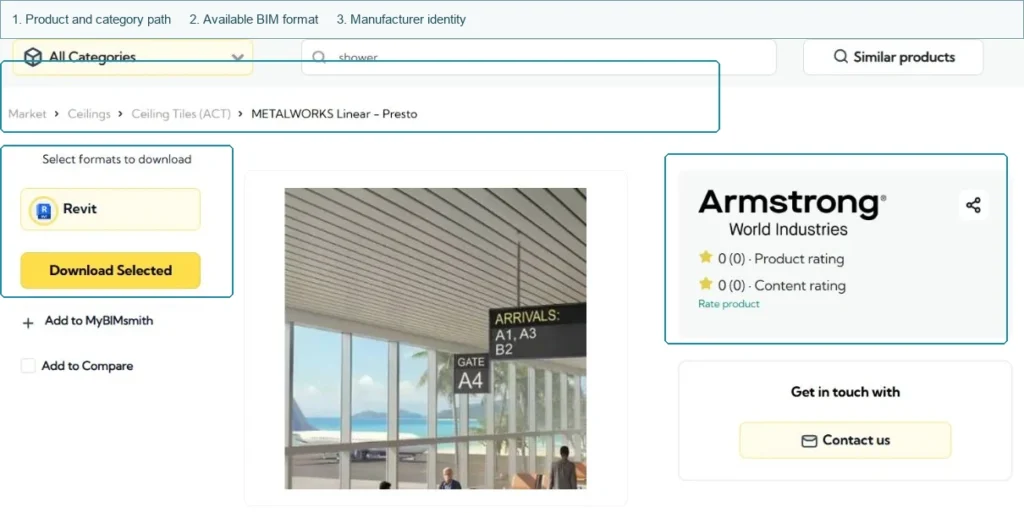
What Should Remove a Supplier From the Longlist Quickly?
Early elimination saves time.
Possible reasons include:
- product does not match the project;
- company is the wrong supplier type;
- required customization is unavailable;
- quantity cannot be supported;
- target market is impractical;
- required product documentation clearly cannot be provided;
- company information is seriously inconsistent;
- logistics make the supplier unsuitable for the project.
Shortlisting should eliminate obvious mismatches before detailed verification begins.
Step 6: Build the Supplier Shortlist
After first-pass screening, reduce the longlist to the companies worth further work.
For many sourcing tasks, the final shortlist may contain several strong suppliers rather than dozens of names.
A simple shortlist may look like:
| Supplier | Product Match | Type | Project Fit | Documentation | Location | Status |
|---|---|---|---|---|---|---|
| Supplier A | Strong | Manufacturer | Strong | Good | China | Shortlist |
| Supplier B | Strong | Distributor | Medium | Good | UAE | Shortlist |
| Supplier C | Medium | Manufacturer | Strong | Clarify | Turkey | Hold |
The objective at this stage is not to select the winner.
It is to decide:
Which suppliers deserve due diligence, technical review, and RFQ effort?
Do Not Send a Full RFQ to Every Company You Find
More quotations do not automatically create a better sourcing outcome.
Every additional RFQ creates work:
- supplier questions;
- document collection;
- technical clarification;
- quotation comparison;
- commercial normalization;
- follow-up.
Sending detailed RFQs to 25 poorly screened companies can create more noise than value.
A more efficient workflow is:
Longlist → Rapid Relevance Screen → Shortlist → Risk-Appropriate Due Diligence → RFQ
Better-qualified quotations are usually more valuable than a larger number of weak quotations.
When Should Supplier Due Diligence Begin?
Do not perform a full background investigation on every company found during the first search.
Deeper due diligence becomes appropriate when:
- the supplier is likely to enter the RFQ stage;
- a sample order is being considered;
- commercial exposure is increasing;
- the purchase value is significant;
- the product is technically important;
- the supplier is new.
The distinction is:
Supplier Search
Is this company relevant?
Supplier Due Diligence
Is this company credible and safe enough to proceed?
Keeping these steps separate prevents sourcing teams from spending too much time verifying companies that would never have passed the relevance screen.
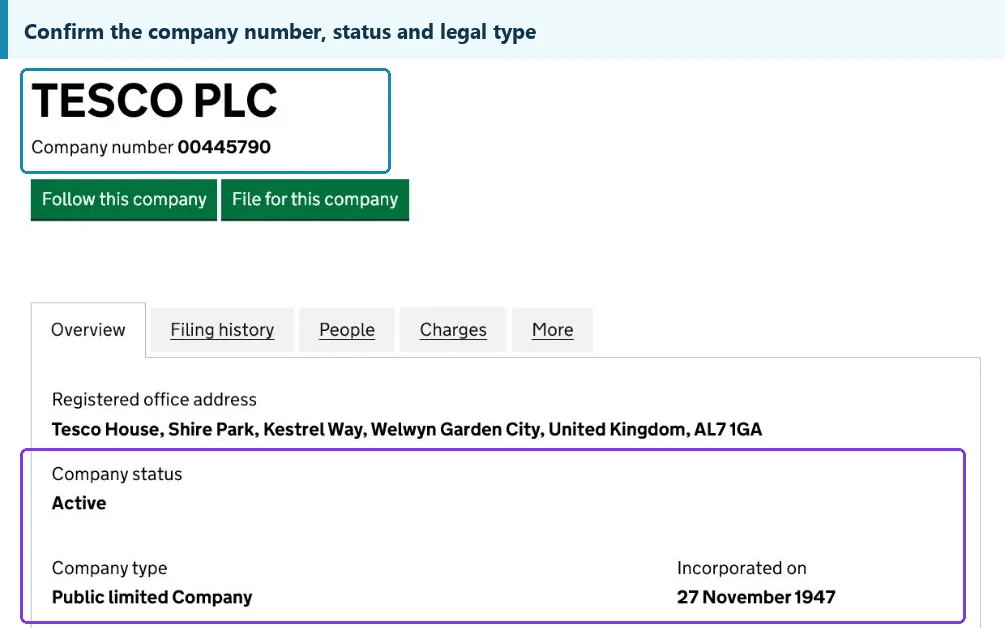
When Should You Ask Suppliers for Documents?
Use progressive information requests.
Early Search Stage
Request only enough to establish relevance:
- website;
- company profile;
- product range;
- catalog;
- basic project/export capability.
Shortlist Stage
Ask for more targeted evidence:
- technical datasheets;
- manufacturer information;
- certifications;
- test information;
- relevant references;
- production capability.
RFQ and Technical Evaluation Stage
Move to exact project evidence:
- quoted model;
- compliance statement;
- technical deviations;
- drawings;
- project-specific documentation;
- commercial offer.
Do not ask every company in the first search round for a 30-document qualification package.
That creates work for both procurement and suppliers before there is enough reason to continue.
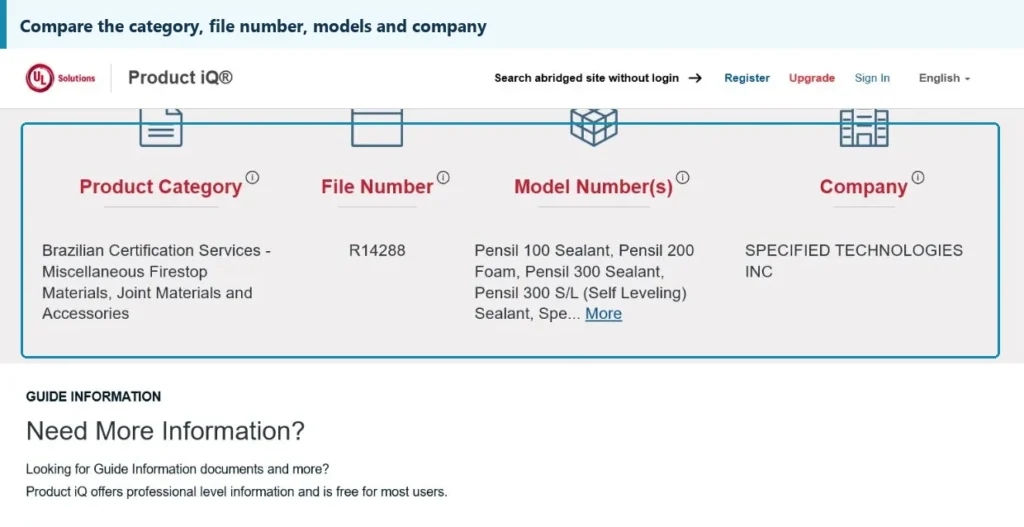
Local vs Overseas Suppliers
Supplier location can materially change the sourcing decision.
Local Supplier Advantages
May include:
- shorter delivery;
- local stock;
- easier communication;
- local support;
- simpler logistics;
- smaller order flexibility.
Overseas Manufacturer Advantages
May include:
- direct manufacturing;
- customization;
- broader production capability;
- better commercial terms at larger volumes.
Overseas Procurement Risks
May include:
- longer lead time;
- import requirements;
- higher logistics complexity;
- greater supplier-verification needs.
The decision should not simply be:
Local is safer.
or:
Factory direct is cheaper.
The project should determine whether:
speed and local service
or:
manufacturing capability and commercial value
matter more.
New Supplier vs Existing Supplier
The sourcing process may also differ depending on supplier history.
New Supplier
Usually requires greater attention to:
- identity;
- capability;
- product evidence;
- documentation;
- references;
- due diligence.
Existing Supplier
May already have:
- approved documents;
- previous project records;
- commercial history;
- delivery history.
But an existing supplier should not automatically avoid market comparison.
New sourcing may still be justified if:
- pricing has changed;
- project requirements are different;
- required capacity is higher;
- previous performance has weakened;
- a new market offers better alternatives.
Common Supplier-Sourcing Mistakes
1. Searching Only the First Page of Google
Specialist manufacturers may not rank highly for broad commercial keywords.
2. Using Only One B2B Marketplace
This creates dependence on one supplier population.
3. Searching Only “Product + Supplier”
You may get distributors when the project requires manufacturers, or retailers when you need project supply.
4. Treating Directory Ranking as Supplier Quality
Visibility is not qualification.
5. Deeply Verifying the First Supplier Found
Understand the market before investing heavily in one candidate.
6. Sending RFQs to Too Many Weak Suppliers
More quotations can mean more comparison work without improving the decision.
7. Comparing Price Before Product Fit
A cheap quotation is irrelevant if the supplier cannot meet the requirement.
8. Ignoring Supplier Type
Manufacturer, distributor, wholesaler, importer, and retailer serve different procurement needs.
9. Ignoring Documentation Capability
A supplier may be able to manufacture the material but still fail to support project approval.
10. Assuming a Large Website Means Strong Project Capability
Marketing presentation and actual supply capability are not the same thing.
A Practical Supplier Search and Shortlist Workflow
A complete sourcing process can be kept simple:
1. Define the Material Requirement
Know what the project actually needs.
2. Define the Supplier Type
Decide whether manufacturer, distributor, importer, or another route is most appropriate.
3. Choose Search Channels
Use the sources that match the material and market.
4. Build a Longlist
Collect potentially relevant companies before going deep.
5. Run a Rapid Relevance Screen
Check product, role, market, project capability, and initial documentation.
6. Create the Shortlist
Keep only suppliers worth more procurement effort.
7. Perform Supplier Due Diligence
Verify risk according to purchase value and project importance.
8. Prepare the RFQ
Send a structured request to qualified suppliers.
9. Compare Quotations
Normalize technical and commercial differences.
10. Evaluate the Suppliers
Use project-specific supplier evaluation criteria before final recommendation.
The complete workflow is therefore:
Find → Screen → Verify → RFQ → Compare → Evaluate
Tools and Resources for Finding Construction Material Suppliers
Different sourcing tasks require different resources.
Find Suppliers
Use this section for:
- manufacturer directories;
- sourcing platforms;
- trade associations;
- exhibition directories;
- local supplier searches;
- specialized sourcing resources.
Supplier Verification
Use after shortlisting for:
- company verification;
- manufacturer checks;
- supplier due diligence;
- factory information.
Product Certification
Use when supplier eligibility depends on product:
- certification;
- conformity evidence;
- test documents.
Standards & Codes
Use when supplier search needs to consider:
- required standards;
- product codes;
- technical requirements.
RFQ, BOQ & Evaluation
Use once the supplier shortlist is ready for structured commercial and technical comparison.
The most effective supplier search process uses different resources for different sourcing questions rather than expecting one platform to solve everything.
Construction Supplier Search Checklist
Before moving a supplier into the shortlist, confirm:
- The material requirement is clearly defined.
- The required supplier type is understood.
- Appropriate supplier-search channels have been considered.
- The supplier actually offers the required product.
- Its manufacturer, distributor, or other role is reasonably clear.
- The supplier can serve the project market.
- Initial project capability appears relevant.
- Required customization appears possible where necessary.
- Basic technical and documentation capability is visible.
- The geographic and logistics route is practical.
- Major obvious mismatches have been eliminated.
- The company has been recorded in a structured longlist.
- Shortlisting occurs before deep verification.
- Shortlisted suppliers are ready for risk-appropriate due diligence.
- Only suitable candidates proceed into full RFQ.
Build a Shortlist Before You Spend Time on Full Verification
Use the Find Suppliers collection for manufacturer directories, sourcing platforms, trade associations, exhibition directories, local supplier searches and specialized sourcing resources. Then move shortlisted companies into Supplier Verification before full RFQ and supplier evaluation.
FAQ
Where can I find construction material suppliers?
Useful sources include search engines, manufacturer and industry directories, B2B sourcing platforms, trade associations, exhibition directories, official manufacturer dealer locators, and local distributor searches. The best source depends on the material and supplier type required.
Should I buy construction materials from a manufacturer or distributor?
It depends on project quantity, customization, delivery requirements, approved brands, local support, logistics, and price. Custom and high-volume products often favor manufacturers, while urgent or locally supported purchases may favor distributors.
How many suppliers should I shortlist for a construction RFQ?
There is no universal number. The shortlist should create enough competition to compare realistic alternatives while remaining small enough for procurement to evaluate each supplier properly.
How do I check whether a construction material supplier is reliable?
Start with basic relevance screening, then conduct supplier due diligence appropriate to the project's financial, technical, and delivery risk before increasing commercial exposure.
Should supplier verification happen before or after RFQ?
Basic screening should happen before the RFQ. Deeper due diligence may take place before or during final shortlisting depending on project value, supplier familiarity, technical risk, and payment exposure.
