Construction Bid Leveling: How to Normalize Supplier Quotes Before Final Comparison
The lowest supplier quotation is not always the lowest evaluated cost.
One supplier may exclude export packaging. Another may include testing. A third may omit required accessories or quote on a different delivery basis. If procurement compares only the headline prices, the result can be misleading.
This is where construction bid leveling becomes useful.
Bid leveling helps procurement teams compare supplier quotations against the same commercial baseline by making scope differences, exclusions, quantities, and measurable adjustments visible.
Procurement rule: bid leveling is about equivalent commercial scope, not equal price. Only measurable, defensible differences should be normalized into the evaluated bid.
The purpose is not to change supplier prices until they look similar.
It is to answer a more important question:
What would each supplier's offer look like if all bids were evaluated against the same required scope?
What Is Bid Leveling in Construction Procurement?
Bid leveling is the process of placing supplier quotations on a common evaluation basis before final commercial comparison.
It may involve identifying and normalizing differences in:
- scope;
- quantities;
- units;
- packaging;
- included accessories;
- testing;
- delivery basis;
- currency;
- exclusions;
- commercial assumptions.
Bid leveling is often used for contractor or subcontractor bids, but the same logic is useful when comparing construction material suppliers.
The key principle is:
The objective is equivalent scope, not equal price.
If two suppliers are not quoting the same requirement, their headline prices should not be treated as directly comparable.
Bid Leveling vs Quotation Comparison
Quotation comparison and bid leveling are closely related, but they solve different parts of the evaluation process.
Quotation Comparison
Quotation comparison identifies differences between supplier offers.
For example:
- Supplier A offers a lower price.
- Supplier B includes export packaging.
- Supplier C has a longer lead time.
- Supplier D proposes a different product specification.
The main question is:
What is different between the offers?
Bid Leveling
Bid leveling goes one step further.
It asks:
Which differences can be reasonably adjusted so all offers can be evaluated on the same commercial basis?
For example:
Supplier A excludes required export packaging.
Supplier B includes it.
If the required packaging is reasonably valued at USD 2,000, procurement may add that amount to Supplier A's evaluated bid.
Quotation comparison identifies the difference.
Bid leveling converts that measurable difference into a more comparable commercial value.
Step 1: Establish the Common Bid Baseline
Do not begin with the supplier quotations.
Begin with the original procurement requirement.
Useful baseline documents may include:
- RFQ;
- BOQ;
- project specification;
- drawings;
- quantity schedule;
- required Incoterm;
- packaging requirements;
- documentation requirements.
Procurement first needs to define:
What should a fully compliant commercial offer include?
A simple baseline may look like this:
| Baseline Item | Requirement |
|---|---|
| Quantity | 1,000 sets |
| Product | Specified model or approved equivalent |
| Packaging | Export packaging |
| Delivery basis | FOB required port |
| Testing | Included where required |
| Spare parts | Included |
| Lead time | Maximum 45 days |
Every supplier quotation should then be evaluated against that common requirement.
Without a clear baseline, bid leveling becomes a series of assumptions rather than a controlled evaluation.
Step 2: Compare Scope Before Adjusting Prices
Before adding or subtracting any amount, build a simple scope comparison.
For example:
| Scope Item | Requirement | Supplier A | Supplier B | Supplier C |
|---|---|---|---|---|
| Main product | Included | Yes | Yes | Yes |
| Export packaging | Included | Excluded | Included | Included |
| Spare parts | Included | Included | Included | Excluded |
| Testing | Included | Extra | Included | Included |
| Delivery basis | FOB | FOB | EXW | FOB |
This makes the actual differences visible.
Procurement should resist the temptation to start calculating immediately.
First identify:
- what is included;
- what is excluded;
- what is unclear;
- what differs from the requirement.
Only after that should commercial adjustments be considered.
Step 3: Separate Missing Scope From Technical Deviations
This distinction is critical.
Missing Commercial Scope
Examples include:
- packaging excluded;
- accessories omitted;
- testing quoted separately;
- spare parts missing;
- freight scope different.
If the value of the missing item can be reasonably determined, it may be suitable for commercial leveling.
Technical Deviation
Examples include:
- lower material grade;
- reduced thickness;
- different performance;
- alternative standard;
- unapproved manufacturer;
- different product configuration.
A technical deviation should not simply be given a price adjustment and treated as equivalent.
Commercial leveling cannot turn a technically unacceptable offer into a compliant one.
Technical deviations first require technical review and, where applicable, acceptance.
Only then should their commercial effect be considered.
Step 4: Normalize Quantities and Units
Different quantity assumptions can distort prices significantly.
For example:
Project requirement: 800 units
Supplier A: quotes 800 units.
Supplier B: unit price based on an MOQ of 1,000 units.
Supplier C: quotes 800 units but applies a different price if total production is below 1,200 units.
If Supplier B requires the buyer to purchase 1,000 units, the evaluated cost is:
1,000 × unit price
not:
800 × unit price
because the additional 200 units still have to be paid for.
Procurement should confirm:
- required quantity;
- actual order quantity;
- MOQ;
- unit of measure;
- component vs complete-set pricing;
- wastage assumptions where relevant.
The goal is to compare what the project would actually need to purchase.
Step 5: Normalize Included and Excluded Scope
When the difference is measurable, procurement can apply a justified commercial adjustment.
Example: Packaging
Supplier A excludes required export crates.
Confirmed or reasonably supported cost:
+ USD 2,500
Example: Testing
Supplier B excludes a required test.
Confirmed cost:
+ USD 1,500
Example: Accessories
Supplier C excludes required installation accessories.
Confirmed value:
+ USD 2,000
The important rule is:
Every adjustment should have a reasonable basis.
If the amount cannot be supported, do not invent a figure simply to complete the spreadsheet.
Mark the item for clarification instead.
Step 6: Normalize Delivery Basis and Incoterms
Supplier quotations may use different Incoterms.
For example:
- Supplier A: USD 75,000 EXW
- Supplier B: USD 80,000 FOB
- Supplier C: USD 83,000 CIF
These are not equivalent commercial scopes.
If procurement wants to compare all offers on an FOB basis, Supplier A may need adjustments for:
- factory-to-port transport;
- export handling;
- documentation;
- other costs required to reach the agreed FOB basis.
Supplier C may need its CIF freight component separated if the comparison requires FOB.
If the additional costs are uncertain, it is often better to ask the supplier for a revised quotation on the required delivery basis.
Bid leveling is strongest when based on real numbers, not estimates layered on top of estimates.
Step 7: Normalize Currency Differences
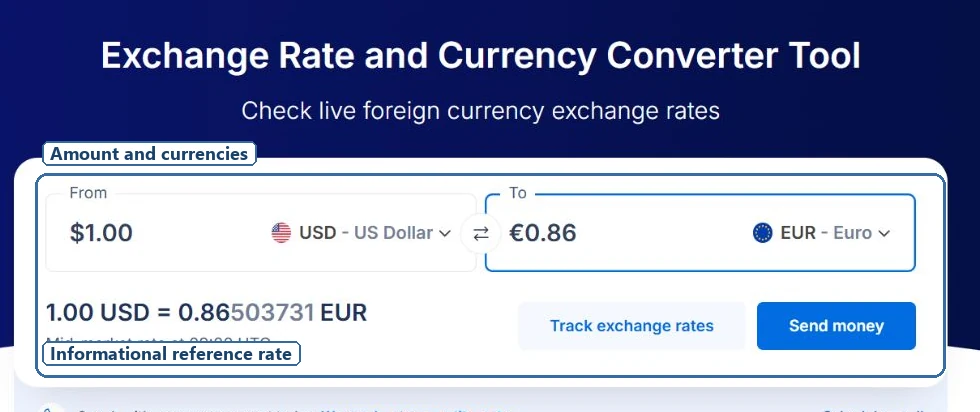
Where suppliers quote in different currencies, select one evaluation currency.
Record:
- original currency;
- original bid value;
- exchange rate used;
- exchange-rate date;
- converted value.
For example:
| Supplier | Original Currency | Original Bid | Evaluation Currency |
|---|---|---|---|
| A | USD | 80,000 | 80,000 |
| B | EUR | 72,000 | Converted value |
| C | CNY | 580,000 | Converted value |
Currency normalization creates a consistent comparison basis.
It does not remove exchange-rate risk, especially if the award decision takes place weeks later.
Step 8: Separate Base Scope From Optional Items
Suppliers frequently structure options differently.
One supplier may include an upgraded finish in the base quotation.
Another may price it separately.
A third may quote only the standard finish.
To keep the comparison clean, separate:
- base compliant requirement;
- required additions;
- optional items;
- upgrades.
Optional items should not distort the comparison of the project's actual base requirement.
A useful bid sheet can show:
Base Bid
- Required Adjustments = Leveled Bid
while keeping optional items in a separate section.
Step 9: Calculate the Leveled Bid Value
A simple approach is:
Use only adjustments with a defensible commercial basis. If the value is uncertain, keep it as a clarification item rather than inventing a number.
Leveled Bid = Quoted Bid + Required Additions − Included Items Not Required ± Other Justified Adjustments
For example:
Supplier A quoted:
USD 80,000
Adjustments:
- export packaging: +2,500;
- required testing: +1,500;
- unnecessary optional accessory included: −500.
Leveled Bid:
USD 83,500
Supplier B quoted:
USD 84,000
All required scope is included.
Leveled Bid:
USD 84,000
Before leveling, Supplier A appeared cheaper by USD 4,000.
After scope normalization, the commercial difference is only USD 500.
That is the value of bid leveling.
It replaces an incomplete price comparison with a more realistic evaluation basis.
Quoted Price vs Leveled Price vs Final Negotiated Price
These values should remain clearly separated.
Quoted Price
The amount formally submitted by the supplier.
Leveled or Evaluated Price
An internal procurement figure used to compare offers after justified adjustments.
Final Negotiated Price
The actual commercial amount agreed with the selected supplier after clarification or negotiation.
A leveled bid is not automatically a contractual price.
It is an evaluation tool, not a substitute for the supplier's final quotation or purchase order.
What Should Not Be Converted Into a Price Adjustment?
Some supplier differences matter but cannot be responsibly converted into money.
Examples include:
- uncertain product quality;
- poor responsiveness;
- weak supplier reputation;
- unclear certification;
- technical approval risk;
- financial risk;
- unreliable lead-time claims;
- weak project experience.
These factors should remain visible as:
- supplier risks;
- technical risks;
- clarification items;
- evaluation criteria;
- possible disqualification issues.
Do not create arbitrary amounts such as:
Poor communication risk = +USD 5,000
unless there is a clear and defensible commercial basis.
A useful rule is:
If you cannot explain and defend the adjustment, do not hide uncertainty inside a number.
How to Handle Supplier Assumptions
Supplier quotations often contain assumptions that affect price.
Examples:
- one shipment only;
- standard color;
- drawings approved without revision;
- MOQ achieved;
- no special testing;
- no changes after order confirmation.
Add an assumptions column to the bid leveling sheet.
Each assumption can be classified as:
Accept
The assumption matches the project requirement.
Adjust
Its commercial effect can be reasonably quantified.
Clarify
The impact is uncertain.
Reject
The assumption conflicts with the project requirement.
This prevents hidden assumptions from carrying into the final supplier recommendation.
A Practical Construction Bid Leveling Sheet
A simple structure may look like this:
| Item | Supplier A | Supplier B | Supplier C |
|---|---|---|---|
| Quoted Price | 80,000 | 84,000 | 82,000 |
| Packaging Adjustment | +2,500 | 0 | 0 |
| Testing Adjustment | +1,500 | 0 | 0 |
| Missing Accessories | 0 | 0 | +3,000 |
| Delivery Basis Adjustment | 0 | 0 | +1,000 |
| Leveled Bid | 84,000 | 84,000 | 86,000 |
| Technical Status | Compliant | Compliant | Pending clarification |
| Lead Time | 40 days | 35 days | 45 days |
The leveled amount helps create a cleaner commercial comparison.
It does not automatically decide the winner.
Technical acceptance, schedule, supplier capability, risk, and negotiation may still affect the final recommendation.
When to Request a Revised Quote Instead of Leveling Internally
Not every quotation should be fixed through internal adjustments.
Request a revised supplier quotation when:
- too many scope items are unclear;
- delivery terms are substantially different;
- major assumptions are required;
- quantity basis is uncertain;
- the technical proposal has changed;
- exclusions are poorly defined;
- multiple adjustment values must be estimated.
A useful rule is:
The more assumptions procurement has to make, the less reliable the leveled bid becomes.
Where possible, ask suppliers to revise their quotations to the same RFQ basis.
This reduces both comparison risk and later commercial disputes.
Use Bid Leveling to Improve Supplier Negotiation
A leveled comparison also makes negotiation more specific.
Instead of saying:
Your price is too high.
Procurement can explain:
- your offer excludes packaging included by others;
- testing is priced separately;
- your evaluated amount becomes X after normalization;
- can you revise your offer on the same scope basis?
This creates a more evidence-based negotiation.
It also reduces the chance of negotiating only the unit price while leaving important scope differences unresolved.
Bid Leveling vs Technical Bid Evaluation vs Supplier Evaluation
These activities should remain separate.
Bid Leveling
Normalizes commercial scope and measurable differences.
Technical Bid Evaluation
Determines whether the proposed product complies with the technical requirement.
Supplier Evaluation
Assesses the supplier's broader capability and risk, such as:
- quality;
- reliability;
- production capability;
- past performance;
- service;
- financial or operational risk.
A typical evaluation path may therefore be:
Technical acceptability → Commercial leveling → Supplier capability/risk review → Negotiation → Award
The exact sequence varies by project.
Tools and Resources for Bid Leveling
Different procurement resources may help at different points in the evaluation.
RFQ, BOQ & Evaluation
Useful for:
- bid leveling sheets;
- bid tabulation templates;
- quotation comparison matrices;
- commercial evaluation tools.
Freight & Import Duties
Useful for normalizing:
- freight;
- Incoterms;
- import-related cost elements.
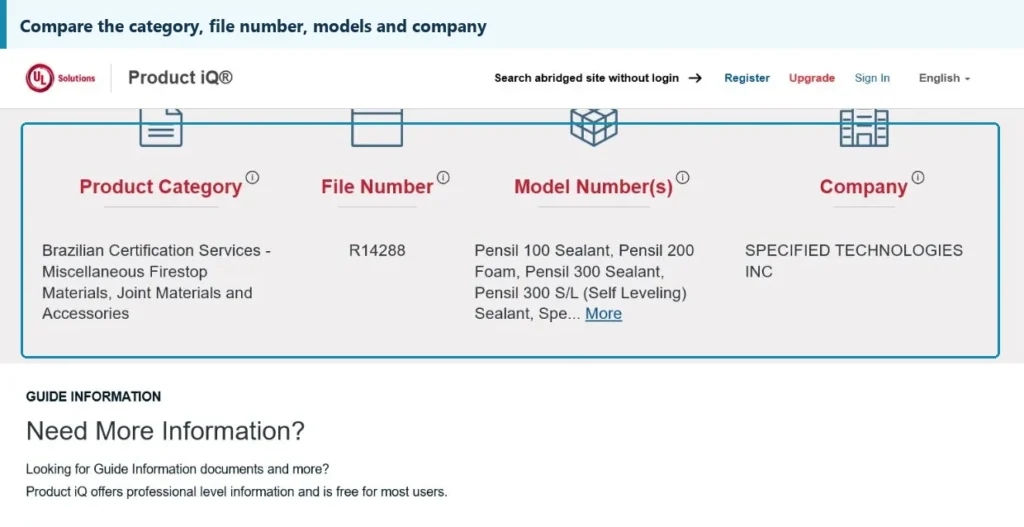
Standards & Codes / Product Certification
Useful when apparent commercial differences may result from different technical or compliance scope.
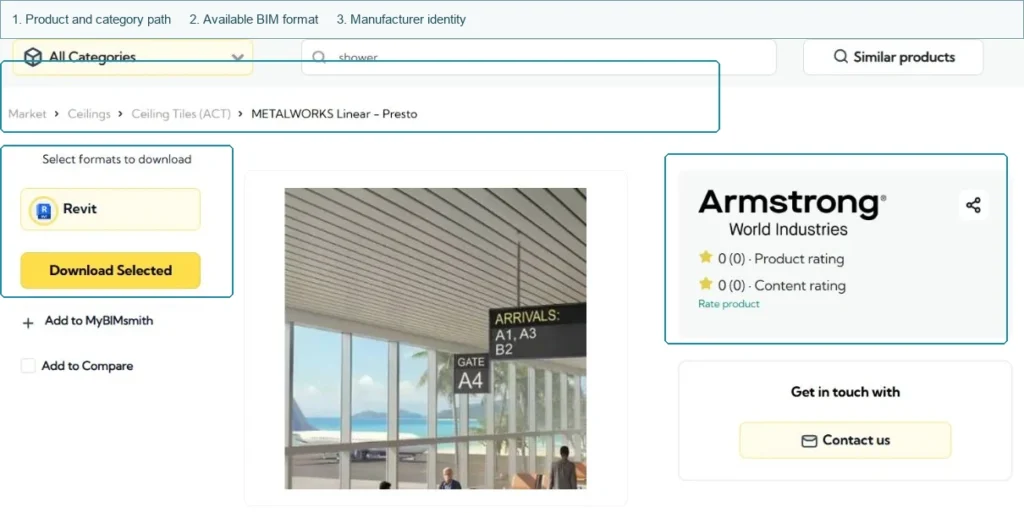
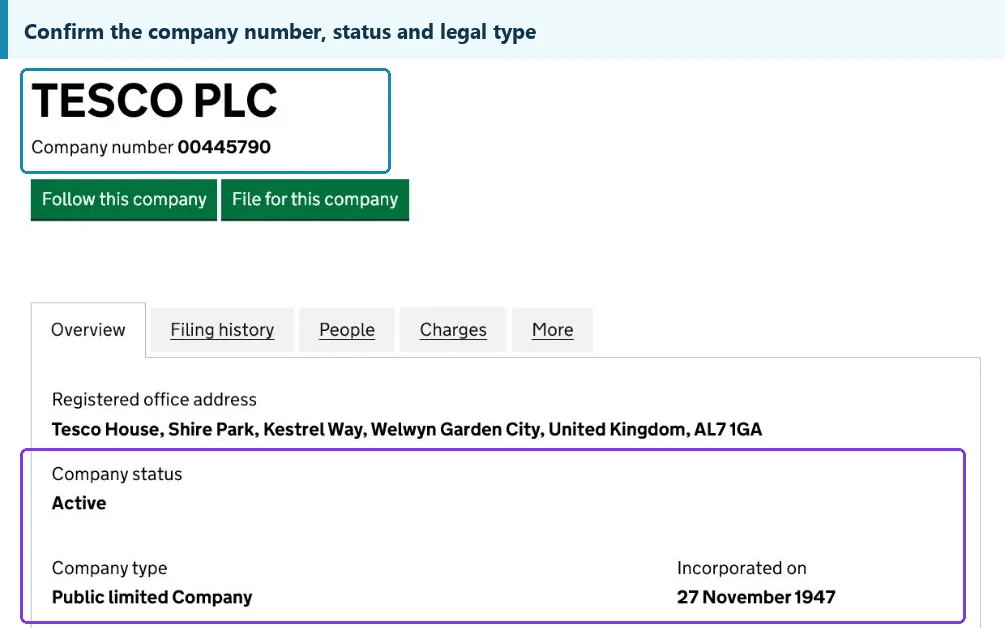
Supplier Verification
Useful when the issue is supplier risk rather than a measurable commercial adjustment.
The goal is to verify the input before including it in a leveled comparison.
Construction Bid Leveling Checklist
Before accepting a leveled comparison, confirm:
- All bids are evaluated against the same RFQ or BOQ baseline.
- Missing scope is clearly visible.
- Technical deviations are separated from commercial adjustments.
- Quantities and units are normalized.
- Required packaging is accounted for.
- Delivery basis is comparable.
- Currency conversion is consistent.
- Testing and documentation costs are identified where measurable.
- Optional items are separated from base scope.
- Supplier assumptions are visible.
- Every monetary adjustment has a reasonable basis.
- Unknown risks have not been converted into arbitrary prices.
- Revised quotations have been requested where assumptions are excessive.
- Quoted price and leveled price remain clearly separated.
- Final supplier selection still considers technical and supplier risk.
Level Supplier Bids Before Final Commercial Selection
Use the RFQ, BOQ & Evaluation collection for bid leveling sheets, bid tabulation templates, quotation comparison matrices and commercial evaluation tools. Use Freight & Import Duties when delivery-basis or import-cost differences need to be normalized.
FAQ
What is bid leveling in construction?
Bid leveling is the process of comparing supplier or contractor bids on a common basis by identifying and, where reasonable, adjusting differences in scope, quantities, exclusions, delivery terms, and other measurable commercial factors.
How is bid leveling different from quotation comparison?
Quotation comparison identifies differences between offers. Bid leveling takes the additional step of normalizing measurable differences so the bids can be compared on a more equivalent commercial basis.
Should technical deviations be included as price adjustments?
Not automatically. Technical deviations should first be reviewed for acceptability. A commercial adjustment should only be used where the technical position is understood and the financial effect can be reasonably supported.
Is the leveled bid the supplier's final price?
No. The leveled bid is mainly an internal evaluation value. The final contractual price should come from the supplier's agreed final quotation, contract, or purchase order.
