Google vs B2B Marketplaces vs Trade Shows: Where Should Procurement Search for Suppliers?
Construction procurement teams rarely struggle because there are no suppliers to find.
The harder problem is knowing where to search first .
Should you use Google?
Sourcing rule: use marketplaces for speed, Google for depth, and trade shows or industry sources for specialist discovery. Stop broad search once enough credible suppliers have been found and move into qualification and verification.
Should you start with a B2B marketplace?
Is a trade show worth the time?
The answer depends on what the procurement team is trying to achieve.
A buyer who needs 30 potential suppliers quickly has a different search problem from someone looking for a specialist façade manufacturer or a local distributor for an urgent project.
A practical supplier-search strategy therefore looks like this:
Define the sourcing goal
↓
Choose the right search channel
↓
Build a supplier longlist
↓
Expand or cross-check through other channels
↓
Merge and screen suppliers
↓
Move to verification
The key is not finding the channel with the largest number of suppliers.
It is using the right channel for the current procurement task.
Start With the Supplier Search Goal
Before choosing a search channel, decide what the search is supposed to achieve.
If you need to compare marketplace, directory, regional and industry-source types in more detail, use Supplier Databases for Building Material Procurement before deciding which discovery source should be opened first.
Typical objectives include:
Build a Broad Longlist
You need 20–50 potential suppliers quickly.
Speed and supplier volume matter more than deep evaluation.
Find More Manufacturers
You already searched a marketplace but the results are repetitive, trader-heavy, or too limited.
You now need deeper manufacturer discovery.
Find Local Suppliers
The project needs a local distributor, stockist, installer, or manufacturer.
Geographic relevance matters more than global supplier volume.
Find Specialist Suppliers
The product is technically narrow, design-sensitive, or industry-specific.
You need specialist companies rather than hundreds of generic sellers.
Find Alternative Suppliers
An existing supplier may have:
- high pricing;
- insufficient capacity;
- long lead time;
- compliance issues;
- poor technical response.
The task is to expand the supplier pool.
Cross-Check a Supplier Already Found
You already know the company name.
Now you want to understand its:
- website;
- product focus;
- industry presence;
- market activity.
The supplier-search channel should match the procurement task, not simply the channel the buyer is most familiar with.
1. Google Supplier Search
Google is often the strongest channel when search depth matters.
Unlike a marketplace, Google can lead procurement teams to:
- manufacturer websites;
- distributors;
- regional suppliers;
- industry associations;
- trade-show exhibitor pages;
- specialist directories;
- companies with little marketplace presence.
This makes it useful for deeper supplier discovery.
When Google Works Best
Google is particularly useful for:
- niche building materials;
- local suppliers;
- regional manufacturers;
- technically specialized products;
- companies with independent brands;
- manufacturers not active on major marketplaces.
It is also useful after a supplier has already been discovered elsewhere.
For example, if a company appears on a marketplace, Google can help check whether it also has:
- an independent website;
- consistent product information;
- project references;
- association membership;
- other market presence.
Search More Precisely
Generic searches create generic results.
Instead of:
shower door supplier
try combinations such as:
- shower enclosure manufacturer hotel projects
- architectural hardware manufacturer Italy
- fire-rated door manufacturer UAE
- porcelain tile factory Spain
- façade system manufacturer Germany
Useful modifiers include:
- manufacturer
- factory
- supplier
- distributor
- country
- standard
- application
- project type
For example:
Product + Manufacturer + Country
or:
Product + Standard + Supplier
The more specific the sourcing requirement, the less time procurement spends removing irrelevant results.
Advantages of Google
Wider Supplier Coverage
Google searches beyond one commercial platform.
This helps uncover suppliers that may never appear prominently on a B2B marketplace.
Strong for Niche Products
If the product is highly specialized, Google often provides better access to:
- technical manufacturers;
- specialist associations;
- industry-specific directories.
Useful for Local Sourcing
Searches combining product and location can identify:
- local distributors;
- project suppliers;
- installers;
- regional manufacturers.
Useful for Supplier Cross-Checking
Google is also valuable after discovery.
A supplier found on one source can be checked across the wider web.
Limitations of Google
Google supplier search also requires more work.
Results may include:
- retailers;
- resellers;
- SEO landing pages;
- outdated directories;
- irrelevant companies.
There is also no standardized company profile.
One supplier website may provide detailed factory information, while another gives only a contact form.
This makes supplier comparison slower.
Best Use
Use Google when supplier-search depth matters more than speed.
2. B2B Marketplaces
B2B marketplaces are usually the fastest way to build an initial supplier longlist.
They are especially useful for common building materials such as:
- sanitary ware;
- shower enclosures;
- tiles;
- hardware;
- lighting;
- doors;
- windows;
- plumbing products;
- decorative materials.
For procurement teams exploring a new supply market, the main advantage is speed.
One search can generate many suppliers immediately.
When B2B Marketplaces Work Best
Use marketplaces when:
- you need many supplier options quickly;
- the product is relatively common;
- China or Asia sourcing is acceptable;
- OEM or private-label supply is relevant;
- the team is still exploring the supplier market.
For example, if procurement wants to understand the available supplier base for hotel bathroom products, a marketplace can quickly generate a first longlist.
That list can then be screened and expanded elsewhere.
Advantages of B2B Marketplaces
High Supplier Volume
This is their biggest strength.
A buyer can move from no supplier names to dozens of candidates in a short period.
Easier Product Comparison
Supplier pages may help compare:
- product range;
- claimed MOQ;
- finishes;
- customization;
- export orientation.
Fast Contact
Several suppliers can often be contacted from the same platform.
This can be useful during early supplier discovery.
Limitations of B2B Marketplaces
Manufacturer vs Trader May Be Unclear
A marketplace supplier profile does not automatically mean the company owns a factory.
Further checking may be needed.
Marketplace Results Are Not the Entire Market
Some capable manufacturers:
- rely on direct sales;
- work through distributors;
- have strong websites;
- attend exhibitions;
- do not actively maintain marketplace profiles.
Marketplace-only sourcing can therefore miss good suppliers.
Platform Information Is Not Final Verification
Marketplace badges, ratings, and account history can be useful signals.
But they should not replace:
- company due diligence;
- certification verification;
- supplier qualification;
- factory audit where necessary.
Marketplace presence is a discovery signal, not final supplier approval.
Best Use
Use B2B marketplaces when speed and supplier volume matter more than deep supplier discovery.
3. Trade Shows and Industry Events
Trade shows solve a different supplier-search problem.
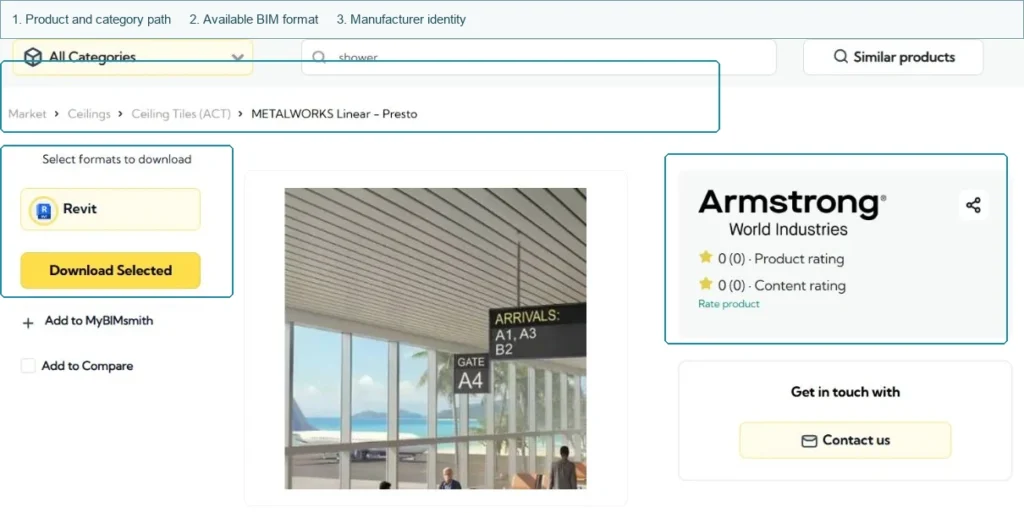
They are slower and more expensive than online search, but they can be highly useful when:
- the material is specialist;
- samples matter;
- design and finish matter;
- direct supplier discussion is valuable;
- procurement spend is significant;
- the supplier relationship may be long-term.
Relevant construction sectors may include:
- glass;
- windows and doors;
- stone;
- sanitary ware;
- HVAC;
- roofing;
- flooring;
- lighting;
- façade systems.
Advantages of Trade Shows
High Industry Concentration
A relevant exhibition may bring many specialist suppliers into one place.
This can be much more efficient than searching the wider web for a very narrow material category.
Physical Product Evaluation
Buyers may be able to inspect:
- product samples;
- finishes;
- hardware;
- construction details;
- catalogues;
- new product systems.
For design-sensitive products, this can be valuable.
Direct Supplier Conversations
Trade shows also make it easier to ask suppliers about:
- customization;
- export markets;
- project experience;
- production capability;
- technical support;
- lead times.
Discovery Beyond Search Engines
Some good manufacturers have weak online marketing.
They may rank poorly in Google and have limited marketplace activity, but still exhibit regularly in their industry.
Trade-show directories can therefore expose a different supplier pool.
Limitations of Trade Shows
Higher Cost
Trade-show sourcing may require:
- travel;
- accommodation;
- staff time;
- appointment planning.
It is rarely the first choice for a low-value or routine sourcing task.
Timing
You can only visit the event when it happens.
That does not always match the procurement schedule.
Limited Supplier Universe
Only participating exhibitors are represented.
Good suppliers may not attend that particular event.
Exhibitor Does Not Mean Qualified
A company booth is not evidence that the supplier:
- has sufficient production capacity;
- complies with the project standard;
- is financially stable;
- can deliver the project.
Verification still comes later.
Best Use
Use trade shows when specialist supplier discovery and direct product evaluation justify the additional time and cost.
Google vs B2B Marketplaces vs Trade Shows
The three channels serve different procurement needs.
| Channel | Best For | Search Speed | Supplier Volume | Niche Discovery | Manufacturer Discovery | Direct Evaluation |
|---|---|---|---|---|---|---|
| Deep, local and niche search | Medium | High | High | High | Low | |
| B2B Marketplace | Fast broad longlist | High | High | Medium | Medium | Low |
| Trade Show | Specialist supplier sourcing | Low | Medium | High | High | High |
There is no universal winner.
The practical question is:
What is procurement trying to achieve at this stage?
Which Channel Should You Use?
Need 30–50 Suppliers Quickly?
Start with:
B2B Marketplace
The objective is not final supplier selection.
It is to create the first longlist.
Marketplace Results Look Repetitive?
Move to:
Use more specific search combinations to find companies outside the marketplace ecosystem.
Need a Specialist Manufacturer?
Use:
Google + Trade Show / Industry Sources
A niche supplier may be easier to find through specialist industry channels.
Need Local Suppliers?
Use:
Google + Regional Directories
This works well when the project needs:
- local stock;
- local support;
- installation;
- quick replacement;
- regional compliance familiarity.
Need to Inspect Products or Meet Suppliers?
Trade shows become more useful.
This is particularly relevant when:
- finish quality matters;
- product construction needs inspection;
- customization must be discussed;
- long-term cooperation is being considered.
Already Have Enough Supplier Names?
Stop supplier discovery.
Once discovery stops, move directly into the Supplier Qualification Checklist Before RFQ and Supplier Due Diligence Checklist rather than continuing to collect more names.
Do not continue searching indefinitely.
Move into:
- screening;
- qualification;
- verification;
- audit if needed.
More supplier names are not always more useful.
Once you have enough credible candidates, the bottleneck changes from discovery to evaluation.
Do Not Choose Only One Channel
For many construction sourcing tasks, the strongest approach is multi-channel.
After merging and deduplicating supplier names, use How to Find and Shortlist Construction Material Suppliers to turn the multi-channel longlist into a manageable set of credible candidates.
A practical sequence looks like this.
Stage 1 — Use a Marketplace for Speed
Build the first longlist.
For example:
25 potential suppliers
At this stage, only remove obviously irrelevant companies.
Do not spend hours verifying each one yet.
Stage 2 — Use Google for Depth
Search for:
- additional manufacturers;
- niche suppliers;
- local suppliers;
- competitors of the companies already found.
You may discover:
10–15 additional companies
Google can also be used to cross-check the first group.
Stage 3 — Use Trade Shows or Industry Sources for Specialist Gaps
If the supplier pool is still weak, check:
- trade-show directories;
- industry associations;
- specialist manufacturer directories.
This may add a smaller number of more targeted suppliers.
Stage 4 — Merge and Deduplicate
Create one master supplier longlist.
Remove:
- duplicate companies;
- irrelevant product suppliers;
- companies outside the required region;
- obviously unsuitable supplier types.
Stage 5 — Stop Searching and Start Screening
At some point the procurement team needs to stop collecting names.
The objective is not:
Find every supplier in the world.
It is:
Find enough credible suppliers to create a competitive and qualified shortlist.
This transition is important.
Supplier discovery should eventually stop so supplier qualification can begin.
Example: Multi-Channel Search for a Building Material Package
Suppose a hotel project needs:
500 custom shower enclosure sets
The requirement includes:
- custom finish;
- manufacturer supply;
- project export experience;
- suitable production lead time.
Marketplace Search
Procurement starts with a large B2B marketplace.
Initial results:
25 suppliers
After removing obvious traders and weak product matches:
12 remain
Google Search
Next, procurement searches:
- hotel shower enclosure manufacturer
- custom shower door manufacturer
- project shower enclosure supplier
This produces:
8 additional companies
Some may have strong independent websites but limited marketplace visibility.
Trade Show and Industry Sources
The team checks relevant exhibition and industry directories.
Another:
4 specialist manufacturers
are identified.
Combined Longlist
Total candidate companies:
24
After:
- deduplication;
- product-fit screening;
- supplier-type screening;
the team reduces the list to:
10–12 credible candidates
At that point, broad supplier search should stop.
The next task is qualification.
When Google Should Be Your First Channel
Google-first sourcing makes sense when:
- the product is technically specialized;
- the buyer needs local suppliers;
- European or North American manufacturers are preferred;
- the buyer wants independent branded manufacturers;
- marketplace results are poor;
- the category is highly niche.
For these tasks, marketplace volume may create more noise than value.
When B2B Marketplaces Should Be Your First Channel
Marketplace-first sourcing works well when:
- the product is common;
- speed matters;
- many options are needed;
- China or Asia sourcing is acceptable;
- the buyer is exploring an unfamiliar supply market;
- technical specialization is moderate.
The marketplace creates the first picture of the supplier landscape.
Other channels can then fill the gaps.
When Trade Shows Are Worth the Time
Trade shows become more attractive when:
- procurement spend is high;
- product design matters;
- physical samples are important;
- customization is significant;
- supplier relationships may be long-term;
- the industry is highly specialized.
They are usually less useful when procurement only needs a standard commodity product from a large existing supplier base.
Supplier Discovery Is Not Supplier Verification
Google, marketplaces, and trade shows answer:
For higher-risk or strategic suppliers where desktop evidence is not enough, the next step may be a Supplier Audit Checklist before the supplier is treated as fully qualified.
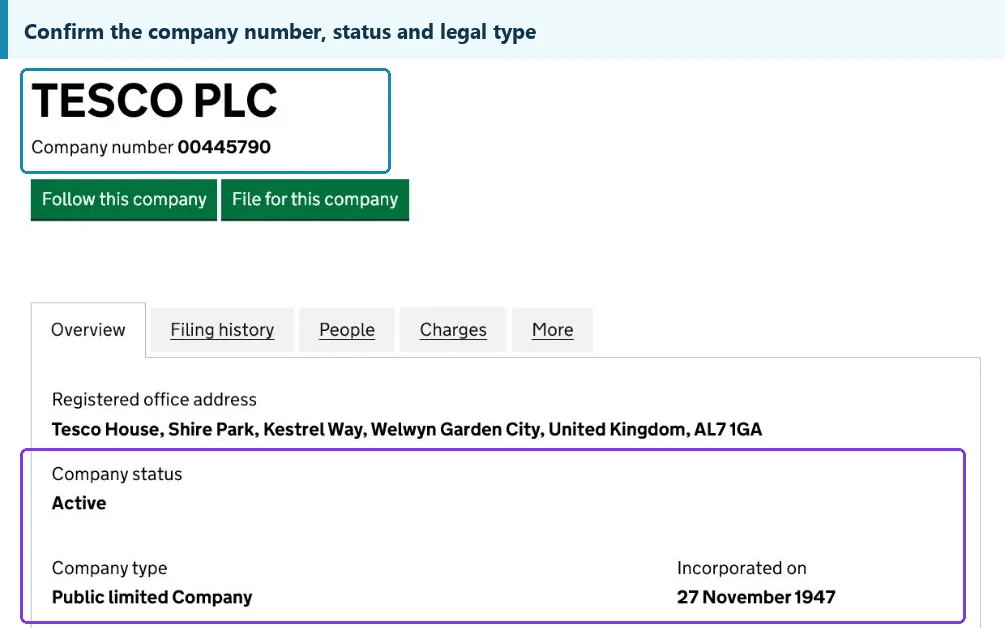
Who might be able to supply this material?
They do not fully answer:
Can this supplier reliably deliver my project?
Once the supplier pool is large enough, procurement should switch tasks.
The next steps may include:
- supplier qualification;
- company due diligence;
- ISO certificate verification;
- project reference checks;
- factory audit;
- product compliance verification.
The workflow becomes:
Supplier Search
↓
Longlist
↓
Basic Screening
↓
Supplier Qualification
↓
Verification
↓
Qualified Shortlist
Supplier-search channels should therefore be judged by how well they help create a useful longlist, not by whether they eliminate the need for verification.
Common Supplier Search Mistakes
Using Only the Channel You Already Know
A procurement team that always uses the same marketplace may repeatedly see the same type of supplier.
Use additional channels when the first search stops producing useful new candidates.
Searching Google With Generic Keywords
Broad searches create irrelevant results.
Combine:
- product;
- manufacturer intent;
- geography;
- standard;
- project application.
Treating Marketplace Ranking as Supplier Ranking
A supplier visible at the top of a marketplace search is not automatically the strongest supplier for the project.
Platform visibility and project capability are different.
Assuming Trade-Show Exhibitors Are Prequalified
Trade shows are useful discovery sources.
Supplier qualification still needs to happen afterward.
Collecting Too Many Suppliers
A list of 100 poorly screened companies can create more work than a list of 15 relevant ones.
Supplier search needs a stopping point.
Mixing Discovery and Verification
Search channels help find suppliers.
Verification tools help determine whether those suppliers should be trusted and approved.
Keep the two stages separate.
Supplier Search Channel Checklist
Before moving to supplier qualification, confirm:
- Product requirement defined
- Target sourcing geography defined
- Manufacturer / distributor requirement defined
- Supplier-search objective defined
- First search channel selected
- Marketplace search completed where relevant
- Google search completed
- Specialist or trade-show sources checked where needed
- Supplier names merged
- Duplicates removed
- Product fit checked
- Supplier type checked
- Irrelevant suppliers removed
- Longlist is large enough
- Discovery stage stopped
- Supplier verification process started
Tools and Resources for Supplier Search
Construction buyers may use several resource types during supplier discovery:
- B2B marketplaces;
- search engines;
- manufacturer directories;
- regional supplier databases;
- industry associations;
- trade-show exhibitor lists;
- company verification resources.
The challenge is rarely finding another website.
The challenge is knowing:
Which resource should I use first, when should I switch channels, and when should I stop searching?
Build Procurement Hub organizes supplier-search and verification resources around those procurement tasks so buyers can move from broad discovery to qualification without repeatedly searching from scratch.
What Comes After Supplier Search?
Once enough suppliers have been found, the next workflow is:
Once the qualified shortlist is complete, move into How to Prepare an RFQ for Construction Materials so supplier discovery becomes a controlled quotation process.
Supplier Found
Add to Longlist
Longlist Complete
Basic Screening
Supplier Appears Relevant
Supplier Qualification
Company Claims Need Checking
Due Diligence / Certification Verification
Higher-Risk or Strategic Supplier
Factory Audit
Supplier Passes Evaluation
Qualified Shortlist
Shortlist Complete
RFQ
The full procurement path is:
Search
↓
Longlist
↓
Screen
↓
Verify
↓
Shortlist
↓
RFQ
The most important principle is simple:
The best supplier-search channel depends on what procurement is trying to achieve at that stage. Use marketplaces for speed, Google for depth, and trade shows for specialist discovery — then stop searching and move to verification once enough credible suppliers have been found.
Use the Right Search Channel — Then Know When to Stop
Use marketplaces for speed, Google for depth, and trade shows or industry sources for specialist gaps. Once you have enough credible suppliers, stop broad discovery and move into qualification, verification and RFQ.
FAQ
What is the best way to search for suppliers?
There is no single best method. B2B marketplaces are useful for quickly building a broad longlist, Google is useful for deeper and niche supplier discovery, and trade shows can be useful for specialist sourcing and direct supplier evaluation.
Is Google better than B2B marketplaces for finding manufacturers?
Google can be stronger for finding independent manufacturers outside major marketplaces, while marketplaces are generally faster when procurement needs many supplier options quickly.
Are trade shows still useful for supplier sourcing?
Yes. They can be particularly valuable for specialist materials, physical product evaluation, direct supplier discussions, and identifying manufacturers with limited online visibility.
Should procurement use multiple supplier-search channels?
Usually yes. Combining marketplaces, Google, and specialist industry sources can improve supplier coverage before screening and verification begin.
