Supplier Audit Checklist for Building Material Buyers
Choosing a supplier is not only about checking a company profile, reviewing certificates, or comparing quotations. Before placing a significant order, building material buyers often need to verify whether the supplier’s actual factory can consistently produce the required product, at the required quality, within the required lead time.
That is the purpose of a supplier audit.
A useful supplier audit should not try to inspect everything inside a factory. It should answer one practical question:
Procurement rule: a factory audit should answer whether the actual production site can reliably manufacture and deliver the specific product required for the intended order — not simply whether the supplier looks professional.
Can this factory reliably manufacture and deliver the specific building materials required for this order or project?
For most buyers, the final audit result should lead to one of four decisions:
- Approved
- Conditionally approved
- Re-audit required
- Rejected
The checklist below focuses on the areas that matter most to building material procurement teams.
When Should You Audit a Building Material Supplier?
A full factory audit is not necessary for every purchase.
It is most useful when:
- placing the first significant order with a new supplier;
- the product is important to a construction project schedule;
- quality failures could cause costly site delays or replacement work;
- the supplier claims unusually high production capacity;
- special manufacturing or finishing processes are involved;
- some production processes may be subcontracted;
- the order value is high;
- you need evidence of actual factory capability before approval;
- the supplier has recently changed factories, equipment, or production processes.
For many projects, the best timing is after the supplier has passed initial qualification and samples have been reviewed, but before mass production begins.
A full audit may not be necessary when the purchase value is small, the product is standardized and low-risk, or recent credible audit evidence already exists. In those cases, document verification or a pre-shipment inspection may be sufficient.
What to Prepare Before the Factory Audit
A factory visit without clear product requirements often becomes little more than a guided tour.
Before the audit, prepare the information needed to judge the factory against your actual order.
Useful inputs include:
- product specifications;
- technical drawings;
- approved samples or reference samples;
- required raw materials and grades;
- required standards or testing requirements;
- estimated order quantity;
- expected monthly capacity;
- required production lead time;
- packaging requirements;
- supplier qualification information;
- known product risks;
- previous complaints or corrective actions, if applicable.
The audit should be connected to the product you intend to purchase.
For example, seeing ten production lines has limited value if none of them are suitable for your material, dimensions, finish, or quality requirements.
Supplier Audit Checklist: What Buyers Should Check
1. Verify the Factory You Are Actually Auditing
Start by confirming that the physical factory matches what the supplier described during sourcing and quotation.
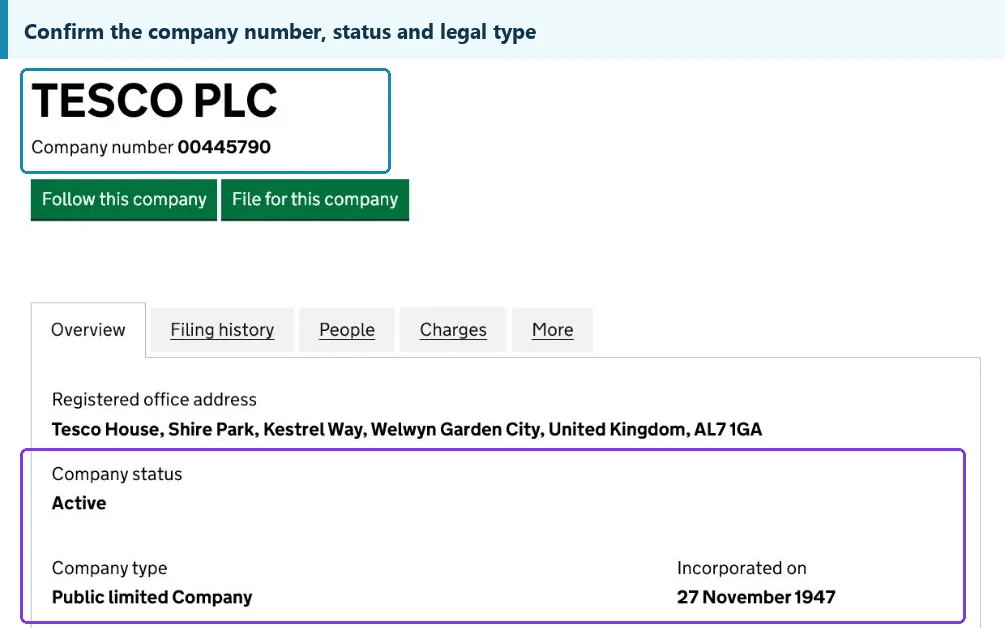
For the company-identity and credibility checks that come before this stage, use the Supplier Due Diligence Checklist. Due diligence verifies the business; the factory audit verifies manufacturing capability.
Check:
- Is this the actual production location?
- Which products are manufactured here?
- Which processes are completed in-house?
- Which processes are subcontracted?
- Are the machines relevant to your product?
- Is the factory actively producing similar products?
- Does the production activity match the supplier's claimed business scale?
- Are finished goods from other factories being stored or presented as internal production?
This stage is different from legal due diligence.
The purpose is not to re-check the company registration. It is to confirm that the production capability you are evaluating actually exists at the site.
A supplier may be a legitimate business while still outsourcing most of the processes critical to your order.
2. Check Incoming Material Control
Many building material quality problems start before production begins.
If the wrong steel grade, glass specification, coating material, adhesive, timber grade, hardware component, or other raw material enters production, later inspection may not fully correct the problem.
Check how incoming materials are handled.
Look for:
- approved raw material suppliers;
- purchase and receiving records;
- material grade identification;
- incoming inspection procedures;
- batch or lot numbers;
- certificates or material reports where required;
- storage conditions;
- separation of accepted and rejected materials;
- traceability from raw material to production batch.
Ask a simple question:
If we select one finished product, can the factory identify which material batch was used to make it?
For critical building products, poor traceability should be treated as a significant risk.
3. Walk Through the Actual Production Process
Follow the product through the factory in the same order it is manufactured.
A typical flow might be:
Raw Material → Processing → Assembly → Finishing → Inspection → Packing
At each stage, check whether the process is controlled rather than simply completed.
Questions to ask include:
- Are workers using current drawings or specifications?
- Are work instructions available for critical operations?
- Are important dimensions checked during production?
- Are critical process parameters controlled?
- Are operators trained for the work they perform?
- Are unfinished and finished products clearly separated?
- Are defective parts identified and removed?
- Are subcontracted processes clearly controlled?
Do not focus only on how new the machinery looks.
An older machine operated within a controlled process may produce more consistent results than newer equipment without proper instructions, inspection, or maintenance.
Check Quality Control at the Critical Points
One of the least useful audit questions is:
“Do you have QC?”
Almost every supplier will answer yes.
A better approach is to identify where quality is checked, what is checked, and what happens when a problem is found.
Incoming Inspection
Confirm whether critical raw materials and purchased components are checked before entering production.
Depending on the product, this may include:
- dimensions;
- appearance;
- material grade;
- thickness;
- color;
- finish;
- certificates;
- component compatibility.
In-Process Inspection
Quality should not depend entirely on final inspection.
Check whether important characteristics are verified during manufacturing, such as:
- dimensions;
- machining accuracy;
- hole locations;
- welding quality;
- surface finish;
- coating thickness;
- assembly fit;
- alignment;
- curing or processing conditions.
Early detection is especially important for materials where defects become expensive to correct later.
Final Inspection
Check whether finished products are inspected against defined acceptance requirements.
This may cover:
- dimensions;
- appearance;
- function;
- quantity;
- labeling;
- accessories;
- packaging;
- project-specific requirements.
Ask to see actual inspection records rather than only blank forms.
Testing Capability
Determine what the factory can test internally and what must be sent to an external laboratory.
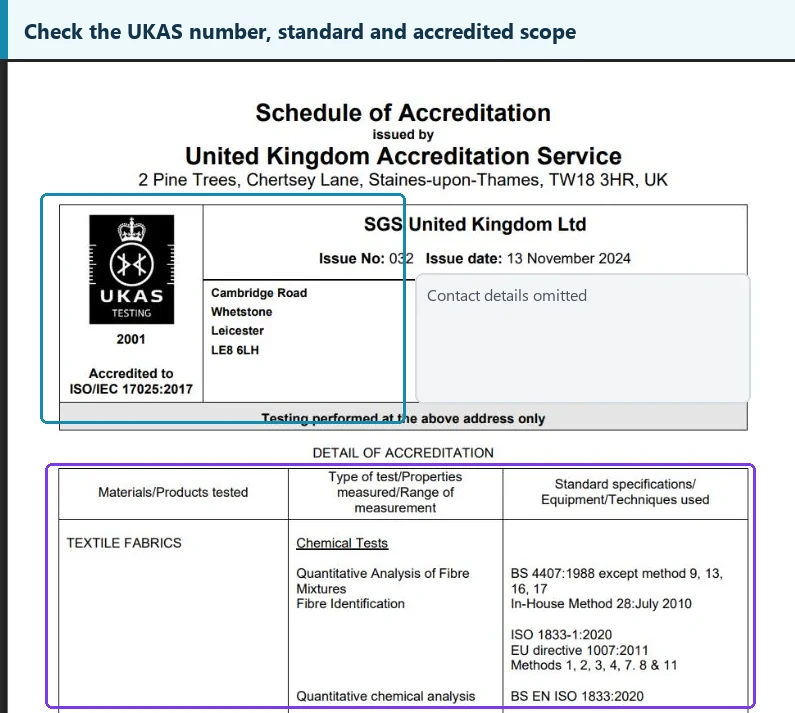
Also check:
- whether measuring equipment is appropriate;
- whether critical instruments are calibrated;
- whether calibration records are current;
- whether test results can be linked to production batches.
Verify Production Capacity and Lead-Time Claims
Supplier capacity should be verified, not simply accepted from a quotation or sales presentation.
Ask about:
- number of relevant production lines;
- normal monthly output;
- current production utilization;
- current backlog;
- bottleneck processes;
- major equipment limitations;
- equipment maintenance;
- labor dependency;
- peak-season capacity;
- subcontracted processes;
- available capacity for your order.
If the supplier says:
“Our capacity is 50,000 units per month.”
ask:
How was that number calculated?
A meaningful capacity estimate should consider actual machine output, shifts, labor, bottleneck processes, current orders, yield loss, and outsourced operations.
For project procurement, maximum theoretical capacity is less important than available capacity during your required delivery window.
Check Traceability and Non-Conformance Control
Imagine a project discovers a defect three months after delivery.
Can the supplier identify:
- when the product was manufactured;
- which raw material batch was used;
- which production line handled it;
- who inspected it;
- whether similar products were shipped to other orders?
Check the factory's system for:
- batch or lot identification;
- raw material traceability;
- inspection records;
- rejected product segregation;
- rework records;
- defect analysis;
- corrective actions;
- customer complaint records.
Also look at the physical factory.
A formal procedure has limited value if rejected products are mixed with accepted stock or unidentified material is stored throughout production areas.
Check Packaging, Storage and Shipment Readiness
For building materials, manufacturing quality is only part of the risk.
After delivery, continue the traceability chain with Material Receiving Inspection so the project can compare what was approved and ordered with what physically arrived.
Products can be damaged after passing final inspection because of weak packaging, poor storage, or incorrect loading.
Check:
- finished goods storage conditions;
- protection against moisture;
- scratch protection;
- impact protection;
- corner and edge protection;
- carton or crate strength;
- palletization;
- labeling;
- PO or project identification;
- SKU separation;
- accessory packaging;
- spare-parts identification;
- loading method.
For project orders containing multiple models, floors, rooms, or installation zones, labeling becomes especially important.
A product that arrives undamaged but cannot be quickly identified on site can still create significant installation delays.
Supplier Audit Red Flags Buyers Should Not Ignore
Not every audit finding has the same importance.
Separate critical issues from problems that can realistically be corrected.
Major Red Flags
Consider rejecting the supplier or escalating the review if:
- important processes claimed as in-house are actually uncontrolled subcontracting;
- critical raw materials cannot be traced;
- there is no effective final inspection;
- the factory cannot demonstrate the required production capability;
- actual production does not match the products being quoted;
- serious quality problems are visible but not controlled;
- rejected products are mixed with accepted products;
- the supplier cannot explain how recurring defects are handled.
These issues can directly affect product conformity, delivery reliability, or project risk.
Conditional Approval Issues
Some problems can be corrected before production, for example:
- incomplete inspection records;
- minor calibration gaps;
- insufficient packaging protection;
- weak labeling procedures;
- documentation that does not fully reflect actual production controls.
These findings may justify conditional approval with specific corrective actions and deadlines.
Minor Issues
Minor housekeeping problems or inconsistent document formats may be worth recording but should not automatically determine the supplier decision unless they indicate a deeper control problem.
Turn the Audit Into an Approval Decision
An audit should finish with a procurement decision, not simply a collection of photographs and observations.
The audit result can also feed into a broader Construction Supplier Evaluation Scorecard so capability, quality control, capacity and corrective-action performance are considered alongside commercial factors.
A simple result structure can be used:
Approved
The factory demonstrates sufficient production, quality, capacity, and control for the intended order.
Conditionally Approved
The factory is basically capable, but specific corrective actions must be completed before production or shipment.
Re-Audit Required
Major weaknesses exist, but the supplier may remain under consideration after corrective actions.
Rejected
The factory does not demonstrate sufficient capability or presents unacceptable manufacturing, quality, or control risks.
A simple audit summary can look like this:
| Audit Area | Result | Risk | Required Action |
|---|---|---|---|
| Production capability | Pass | Low | None |
| Quality control | Conditional | Medium | Add final inspection records |
| Capacity | Pass | Low | Confirm production slot |
| Traceability | Pass | Low | None |
| Packaging | Conditional | Medium | Improve corner protection |
This makes the audit useful to procurement, quality, engineering, and project teams.
When to Use a Third-Party Factory Audit
Buyers do not always need to conduct audits themselves.
A third-party audit can be useful when:
- the supplier is overseas;
- your team cannot visit the factory;
- the order value is high;
- the supplier is new;
- manufacturing is technically complex;
- independent evidence is required;
- internal procurement staff lack technical audit experience.
Third-party inspection and audit companies can verify factory conditions and provide structured reports, but buyers should still provide clear product requirements and audit priorities.
A generic audit will not automatically identify the risks specific to your project.
Resources for factory audits, inspection providers, supplier verification, and related procurement checks can be organized through the Supplier Verification section of Build Procurement Hub.
What Comes After the Supplier Audit?
The factory audit is not the end of supplier qualification.
If the supplier passes and competitive pricing is still required, move into a structured Construction Material RFQ. If the supplier fails, return to Find and Shortlist Construction Material Suppliers and develop an alternative source.
If the supplier passes, the next steps may include:
Supplier Approval → RFQ / Commercial Evaluation → Technical Confirmation → Production
If the supplier receives conditional approval:
Corrective Action → Evidence Review → Recheck → Approval
If the supplier fails:
Return to Supplier Shortlist → Evaluate Alternative Supplier
The goal is not to perform as many checks as possible.
The goal is to collect enough reliable evidence to make a better procurement decision before the cost of changing suppliers becomes much higher.
Audit the Factory Against the Order You Actually Plan to Place
Use Supplier Verification resources to check company background, factory capability and third-party audit options. Then connect the audit result to supplier evaluation, RFQ and the project’s next procurement decision.
FAQ
What should a supplier audit checklist include?
A useful supplier audit checklist should cover the actual factory, incoming materials, production processes, quality control, capacity, traceability, non-conformance handling, packaging, storage, and shipment readiness. The checklist should be adapted to the specific product being purchased.
When should a buyer conduct a factory audit?
A factory audit is most useful before a significant first order, particularly when product quality, capacity, lead time, or manufacturing complexity could affect a construction project.
What is the difference between supplier due diligence and a factory audit?
Supplier due diligence focuses mainly on whether the company is legitimate, credible, and suitable to do business with. A factory audit focuses on whether the actual manufacturing site can reliably produce the required product.
Should buyers use a third-party factory audit company?
Third-party audits are useful when buyers cannot visit the factory themselves, require independent evidence, or need specialist inspection expertise. However, the buyer should still define the product requirements and key risks before the audit.
