Long-Lead Materials in Construction: How Procurement Teams Identify and Manage Early-Buy Items
A supplier tells you:
Production lead time: 35 days.
At first, the material does not look like a long-lead item.
But before production starts, the supplier may need to prepare shop drawings, technical documents, and samples. The project team may need two weeks for review, followed by another revision cycle.
Procurement rule: a long-lead item is defined by the relationship between the complete procurement cycle and the time remaining before the required-on-site date — not by production duration alone.
After production, the material may still require inspection, packing, international shipping, customs clearance, and inland delivery.
The real procurement cycle may therefore be much longer than 35 days.
For construction procurement teams, the important question is not simply:
How long does the supplier need to manufacture the product?
It is:
How much time is required from the current procurement stage until the material is actually available on site?
This leads to a more useful definition:
A long-lead item is a procurement package whose complete sourcing, approval, ordering, production, inspection, and delivery cycle requires earlier action to protect the project schedule.
What Is a Long-Lead Material in Construction Procurement?
Long-lead materials are products, equipment, or material packages that require earlier procurement attention because their total procurement cycle is long relative to the date the project needs them.
The cause may be:
- supplier selection;
- technical approval;
- customization;
- shop drawings;
- specialist manufacturing;
- limited factory capacity;
- raw-material availability;
- certification or testing;
- inspection;
- international freight;
- customs clearance.
This means there is no single rule such as:
“Anything over 12 weeks is a long-lead item.”
A material with a six-week production time can become high risk if approval and shipping consume another eight weeks.
A product with a traditionally long manufacturing period may be relatively safe if it is already approved, ordered, and has sufficient schedule buffer.
Long lead is a relationship between procurement time and project time—not simply a product category.
Long Production Lead Time Is Not the Same as Long Procurement Lead Time
Supplier quotations frequently show one lead-time number.
For example:
Production: 35 days
But the actual procurement cycle may look like this:
| Procurement Stage | Duration |
|---|---|
| Supplier Documents | 7 days |
| Consultant Review | 14 days |
| Revision / Resubmission | 7 days |
| PO Release | 3 days |
| Production | 35 days |
| Inspection / Packing | 5 days |
| Shipping / Customs | 30 days |
| Total Procurement Cycle | 101 days |
The supplier's 35-day number may be correct.
It simply does not represent the full project-to-site timeline.
Procurement therefore needs to separate:
Production Lead Time
from:
Total Procurement Cycle
A useful planning structure is:
Supplier Selection
- Supplier Documents / Samples / Drawings
- Material Approval
- PO / Deposit Release
- Production
- Inspection
- Packing
- Shipping / Customs / Delivery
- Required Buffer
Step 1: Start With the Required-on-Site Date
Long-lead identification should begin with the project requirement.
For each important material, identify:
- required-on-site date;
- installation date;
- phased delivery date where applicable;
- any site inspection or storage allowance.
Then ask:
How much usable time is left before the material must arrive?
Example:
Required on site:
15 December
Current procurement planning date:
1 September
Available time:
approximately 105 days
If the full procurement cycle is estimated at 95 days, procurement has only about 10 days of schedule margin.
That package deserves much more attention than another material requiring 50 days with 100 days remaining.
The required-on-site date should therefore drive long-lead prioritization.
Step 2: Calculate the Complete Procurement Cycle
Break the material into the stages that actually consume time.
Supplier Selection
Include where still outstanding:
- supplier search;
- quotations;
- clarification;
- comparison;
- technical evaluation;
- final selection.
Supplier Documentation
Depending on the product:
- datasheets;
- certificates;
- test reports;
- samples;
- shop drawings;
- technical schedules.
Material Approval
Include:
- internal review;
- formal submittal;
- consultant or client review;
- comments;
- revision;
- resubmission.
Commercial Release
Include where relevant:
- final negotiation;
- PO approval;
- contract;
- deposit;
- production release.
Production
Include:
- raw-material procurement;
- fabrication;
- customization;
- assembly.
Quality Control
Possible stages include:
- testing;
- inspection;
- pre-shipment inspection;
- corrective action.
Logistics
Include:
- packing;
- export handling;
- freight;
- customs;
- destination handling;
- inland delivery.
The calculation does not need false precision.
Its purpose is to expose time that would otherwise remain hidden.
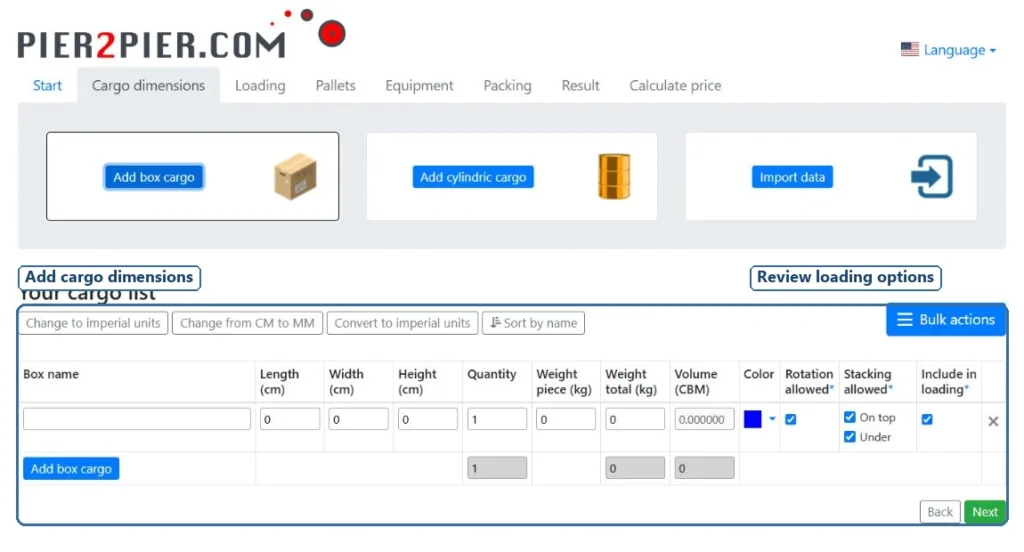
Step 3: Calculate Procurement Float
Once the total procurement cycle is estimated, compare it with the time remaining before the project needs the material.
Positive float does not automatically mean low risk. The smaller the remaining margin and the more unresolved issues, the earlier procurement should act.
A simple calculation is:
Procurement Float = Time Remaining Before Required-on-Site Date − Total Procurement Cycle
Example A:
Time remaining:
120 days
Total procurement cycle:
100 days
Procurement float:
20 days
Example B:
Time remaining:
100 days
Total procurement cycle:
95 days
Procurement float:
5 days
Both items can still be delivered on time according to the current estimate.
But Material B has very little room for:
- consultant delay;
- drawing revision;
- supplier production problems;
- failed inspection;
- shipping changes.
It should therefore receive higher procurement attention.
An item can become critical before it is technically late.
Step 4: Classify Long-Lead Procurement Risk
A simple priority system can help the procurement team focus.
High Priority
Typical signals include:
- very limited schedule float;
- latest approval date approaching;
- supplier still not selected;
- custom product;
- production capacity not confirmed;
- significant overseas logistics;
- unresolved technical approval.
Medium Priority
Examples:
- supplier identified;
- reasonable schedule margin remains;
- approval or clarification is still open;
- some lead-time uncertainty exists.
Normal Priority
Examples:
- adequate float;
- supplier confirmed;
- standard material;
- approval complete or straightforward;
- logistics uncomplicated.
The exact thresholds should reflect the project.
A fixed number of days is less useful than comparing the remaining schedule with the risks still unresolved.
Why a Generic “Long-Lead Items List” Is Not Enough
Construction teams often maintain lists containing products such as:
- elevators;
- façade systems;
- switchgear;
- HVAC equipment;
- custom windows and doors;
- specialist finishes.
These lists are useful as warning signals.
They should not replace project-specific analysis.
For example:
A custom door package may normally be considered long lead.
But if:
- supplier is already selected;
- drawings are approved;
- factory capacity is reserved;
- delivery date is six months away;
the current procurement risk may be manageable.
Meanwhile, a normally simple imported finish may become high risk because:
- supplier selection is late;
- approval is still pending;
- shipping takes several weeks.
Use experience to identify what deserves review. Use actual procurement timing to decide what deserves priority.
Step 5: Build a Long-Lead Register
A long-lead register helps turn schedule concerns into procurement actions.
Useful fields include:
| Field | Purpose |
|---|---|
| Material / Package | Identifies the item |
| Required-on-Site Date | Project deadline |
| Supplier | Current proposed source |
| Supplier Selection Status | Shows sourcing progress |
| Approval Duration | Expected technical approval time |
| Production Lead Time | Manufacturing duration |
| Inspection / Packing | Pre-shipment allowance |
| Logistics Time | Shipping, customs and delivery |
| Total Procurement Cycle | Estimated complete duration |
| Latest Approval Date | Approval deadline |
| Latest PO Date | Purchasing deadline |
| Current Status | Current procurement stage |
| Float / Buffer | Remaining schedule margin |
| Priority | High / Medium / Normal |
| Next Action | Immediate procurement action |
The most important columns are not necessarily the durations.
They are:
Current Status + Remaining Float + Next Action
That tells procurement what must be done now.
Early Identification Does Not Mean Immediate Purchasing
This distinction is critical.
When a material is identified as long lead, the first reaction should not automatically be:
Issue the PO immediately.
Ordering too early can create different risks.
For example:
- design is not frozen;
- final dimensions are unknown;
- quantities may change;
- material approval is incomplete;
- specification may change;
- storage is unavailable;
- project scope remains uncertain.
Long-lead management should instead ask:
Which action needs to happen earlier?
That action may be different for each package.
Early Supplier Selection
Choose or prequalify the likely supplier earlier.
Early Technical Submittal
Bring forward the approval process.
Early Shop Drawings
Resolve design and dimension issues.
Early Samples
Start finish or performance approval earlier.
Production Slot Reservation
Where commercially appropriate, reserve factory capacity before full production release.
Early Purchase
Issue the order early only when the technical, commercial, and project risks are sufficiently controlled.
The goal is to accelerate the correct procurement milestone—not automatically accelerate payment and purchasing.
Which Action Should Be Brought Forward?
A simple decision table can help:
| Main Procurement Risk | Possible Early Action |
|---|---|
| Supplier not identified | Start sourcing |
| Few viable suppliers | Develop backup sources |
| Long approval cycle | Submit documents early |
| Custom dimensions | Start drawing coordination |
| Factory capacity limited | Confirm or reserve capacity |
| Compliance unclear | Start document verification |
| Raw-material availability uncertain | Confirm supply |
| International logistics long | Plan shipping earlier |
| Latest PO date approaching | Escalate commercial release |
Long-lead management becomes much more useful when every identified risk has a next action.
Long-Lead Materials and Material Approval
Approval can consume a large part of the total procurement cycle.
For example:
Production:
40 days
Material approval:
30 days
Shipping:
25 days
The item is effectively a 95-day procurement package before allowing for other activities.
The long-lead register should therefore connect to the material submittal process.
Useful fields include:
- submittal status;
- revision;
- approval due date;
- latest approval date.
Example:
Current status: Consultant Review Latest approval date: 3 days away
That should trigger procurement attention now.
Waiting until the supplier is unable to start production is too late.
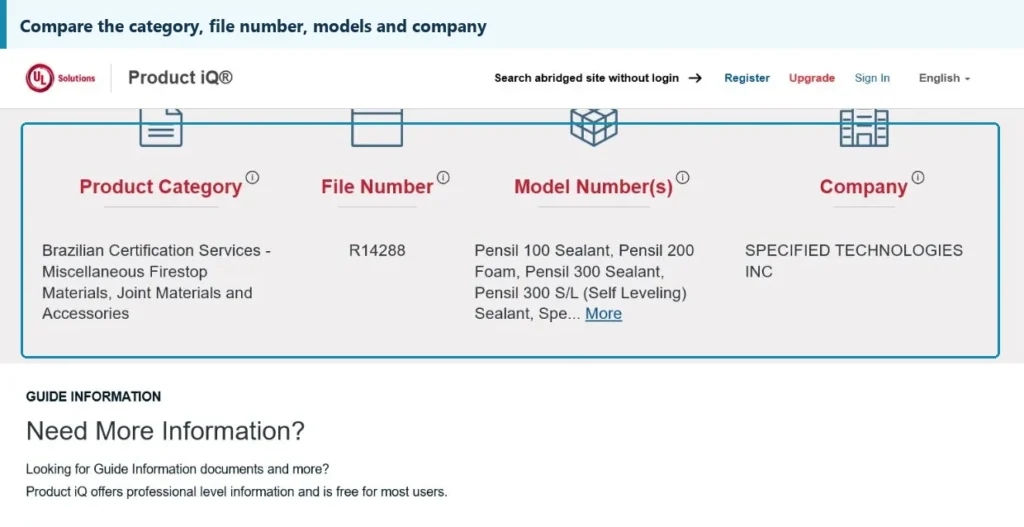
Long-Lead Materials and Supplier Selection
Another common problem is identifying a long-lead package while no supplier has been confirmed.
Every week spent searching compresses:
- technical clarification;
- due diligence;
- RFQ;
- material approval;
- production.
For high-priority packages, supplier sourcing may therefore need to start significantly earlier than for normal materials.
The sequence may be:
Identify Long-Lead Risk → Find Suppliers → Rapid Shortlist → Supplier Due Diligence → RFQ / Technical Evaluation → Supplier Selection
The earlier the sourcing risk is visible, the more options procurement usually retains.
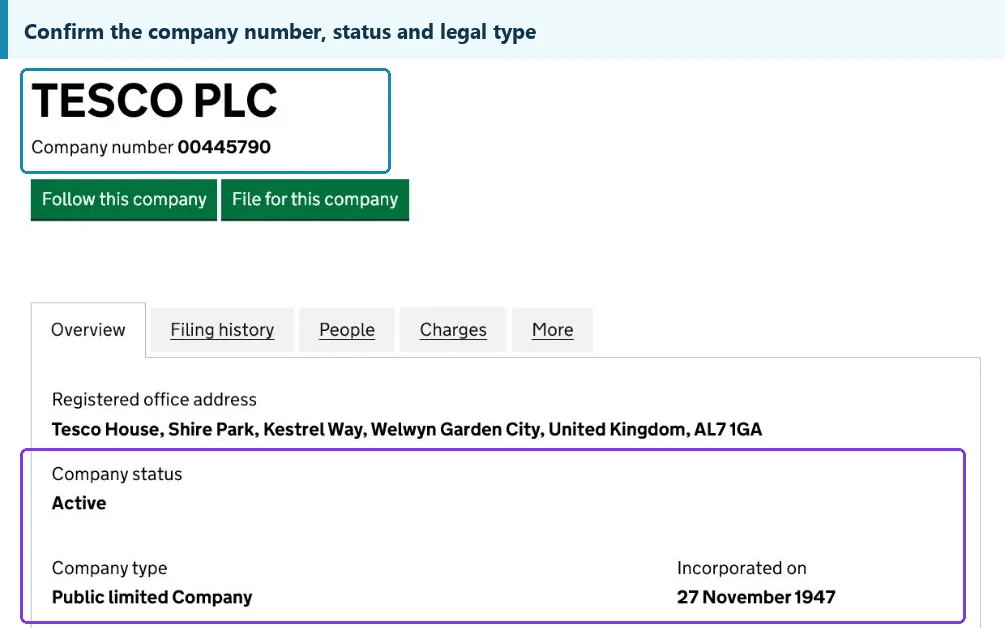
When Should Procurement Prepare a Backup Supplier or Alternative Product?
Do not wait until the primary supplier officially misses the delivery date.
Possible warning signs include:
- latest PO date is approaching;
- factory capacity remains unconfirmed;
- repeated document delays;
- technical approval is uncertain;
- raw materials are unavailable;
- shipping route is unreliable;
- production start cannot be committed.
Depending on project procedures, procurement may consider:
Backup Supplier
Keep another qualified supplier available.
Alternative Product
Identify a technically acceptable alternative for formal project approval.
Alternative Logistics
Evaluate a different shipping route or transport mode where commercially justified.
Alternative products should still follow required project approval procedures.
The purpose is to create options before the schedule failure becomes unavoidable.
Control the Risks of Early Buying
Early procurement can protect the schedule, but it can also create risk.
Design Change
The purchased product may no longer match the final design.
Quantity Change
Final quantities may change after ordering.
Storage
The material may arrive before the site is ready.
Damage
Longer storage and additional handling may increase damage exposure.
Cash Flow
Deposits and payments happen earlier.
Warranty
Warranty timing may need to be checked against contract conditions.
Cancellation or Variation
A project change may make an early purchase difficult or expensive to reverse.
Long-lead management therefore requires balance:
Protect against late procurement without creating unnecessary premature-purchase exposure.
Connect the Long-Lead Register to the Procurement Schedule
A procurement schedule and a long-lead register serve different purposes.
Construction Procurement Schedule
Answers:
When must approval, PO, production, shipment, and delivery happen?
Long-Lead Register
Answers:
Which materials require the most attention because available schedule margin is limited?
The workflow is:
Procurement Schedule → Calculate Latest Safe Dates → Estimate Float → Flag Long-Lead Risk → Prioritize Action → Monitor
In simple terms:
The schedule manages dates. The long-lead register manages priority.
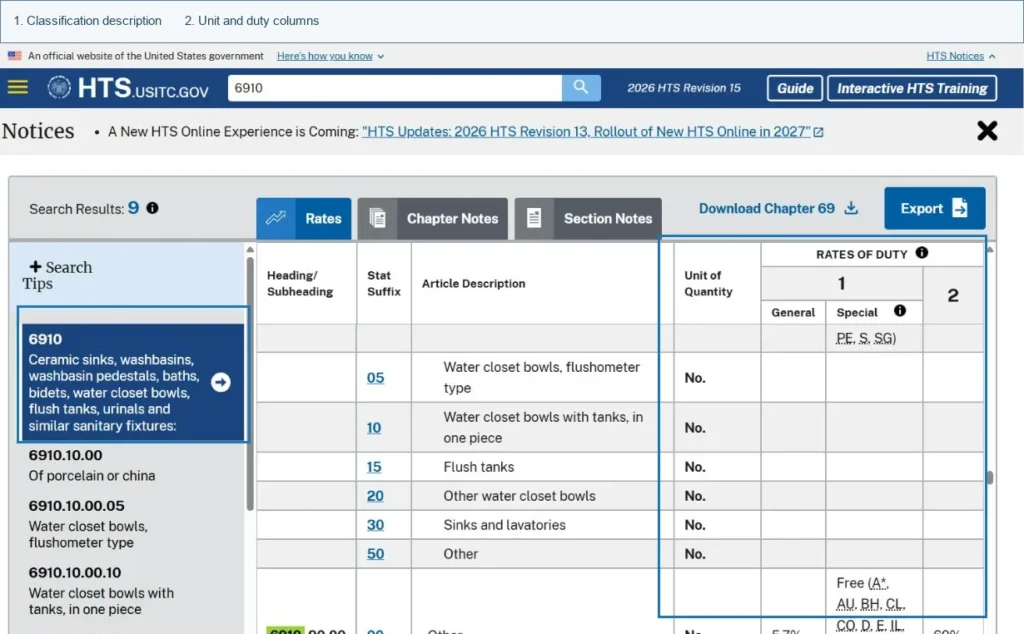
Connect Long-Lead Items to the Submittal Log
The same principle applies to material approvals.
Suppose the submittal log shows:
Status: Revise and Resubmit
On its own, that is a document status.
Now add:
Procurement Float: 7 days
The same item becomes:
High Priority
This is why procurement schedules, submittal logs, and long-lead registers should work together.
Common Long-Lead Procurement Mistakes
1. Using Only Production Lead Time
This ignores sourcing, approval, inspection, and logistics.
2. Copying a Generic Long-Lead Product List
The project's actual timing matters more.
3. Identifying Long-Lead Items Too Late
By the time normal procurement starts, the available buffer may already be gone.
4. Assuming Long Lead Means “Buy Now”
Early planning and early purchasing are different decisions.
5. Ignoring Material Approval
Unapproved materials may be unable to enter production safely.
6. Not Calculating Latest PO Date
The team cannot see the real commercial deadline.
7. Not Tracking Schedule Float
Every material appears equally urgent.
8. Having No Backup Strategy
Alternative sourcing begins only after a failure has occurred.
9. Using Old Lead-Time Information
Supplier capacity and logistics conditions can change.
10. Treating Long-Lead Management as Only a Planning Function
Procurement controls many of the milestones that create or reduce the risk.
A Practical Long-Lead Material Example
| Material | Required on Site | Total Cycle | Time Remaining | Float | Current Status | Priority |
|---|---|---|---|---|---|---|
| Custom Façade | 20 Dec | 135 days | 140 days | 5 days | Supplier Selected | High |
| Floor Tile | 10 Nov | 45 days | 90 days | 45 days | RFQ | Normal |
| Custom Doors | 15 Dec | 85 days | 100 days | 15 days | Approval Pending | High |
| Sanitary Ware | 30 Nov | 60 days | 100 days | 40 days | Approved | Normal |
Notice that the material with the longest production cycle is not automatically the only high-priority package.
Priority depends on:
- total cycle;
- remaining time;
- current status;
- uncertainty.
Tools and Resources for Managing Long-Lead Materials
Different long-lead problems require different procurement resources.
Project Documents & Submittals
Useful for:
- procurement schedules;
- long-lead registers;
- material approval trackers;
- submittal logs.
Find Suppliers
Use when an urgent package still lacks viable suppliers.
Supplier Verification
Use before increasing commercial exposure to a new supplier.
Product Certification
Use where missing compliance evidence is delaying approval.
Freight & Import Duties
Useful where international logistics forms a significant part of the total procurement cycle.
RFQ, BOQ & Evaluation
Use to accelerate:
- quotations;
- supplier comparison;
- supplier selection.
The key is to identify which procurement stage is consuming the schedule and then use the appropriate resource to solve that problem.
Long-Lead Material Procurement Checklist
Before classifying and managing a long-lead package, confirm:
- Required-on-site date is defined.
- Supplier-selection time is considered.
- Supplier documentation time is included.
- Material approval duration is included.
- Revision allowance is considered where appropriate.
- PO or deposit processing time is included.
- Production lead-time start conditions are understood.
- Inspection or testing time is included where required.
- Packing time is included.
- International logistics and customs are included where relevant.
- Total procurement cycle has been estimated.
- Remaining schedule float is visible.
- Latest approval date is known.
- Latest PO date is known.
- Current procurement stage is recorded.
- Priority reflects actual schedule risk.
- A specific early action has been identified.
- Early planning is not automatically treated as early purchasing.
- Backup supplier or alternative strategies are considered where appropriate.
- Lead times and procurement status are regularly updated.
Turn Long-Lead Risk Into an Earlier Procurement Action
Use the Project Documents & Submittals collection for procurement schedules, long-lead registers, material approval trackers and submittal logs. Then use the supporting categories for the exact stage consuming float — sourcing, supplier verification, product compliance, logistics or RFQ evaluation.
FAQ
What are long-lead materials in construction?
Long-lead materials are materials or equipment whose complete sourcing, approval, purchasing, manufacturing, inspection, and delivery cycle requires earlier action to protect the required project date.
How do you identify long-lead items in construction procurement?
Estimate the complete procurement cycle and compare it with the time remaining before the required-on-site date. Then consider the available schedule float, current procurement stage, and remaining uncertainties.
Is there a standard number of weeks that makes a construction item long lead?
No universal threshold applies to every project and product. A material becomes a long-lead procurement risk when its complete procurement cycle leaves insufficient or rapidly shrinking time before the project requirement.
Should long-lead materials always be ordered early?
No. Earlier action may mean earlier supplier selection, technical submittal, drawings, samples, compliance verification, or production-slot planning rather than immediately issuing a purchase order.
What is the difference between a procurement schedule and a long-lead register?
A procurement schedule manages the milestone dates required to deliver materials. A long-lead register highlights the packages requiring priority attention because their remaining procurement schedule margin is limited.
