Construction Material Submittal Process: A Procurement Guide from Supplier Documents to Final Approval
Finding a construction material supplier is only part of the procurement process.
A supplier may offer the right price and an acceptable lead time, but the proposed material may still need technical review and project approval before procurement can safely release the order.
Project requirement → supplier → proposed product → technical evidence → approval → purchase. The submittal process connects these stages before procurement becomes commercially committed.
The product may need to match project specifications, BOQ requirements, approved manufacturers, applicable standards, performance criteria, samples, drawings, certificates, or other project-specific requirements.
This is the role of the construction material submittal process.
For procurement teams, a material submittal is not simply a document package. It is a control point connecting:
Project requirement → supplier → proposed product → technical evidence → approval → purchase
A well-managed submittal process reduces the risk of ordering the wrong product, discovering missing compliance documents too late, or allowing production to begin before the material has been accepted by the project team.
This guide explains how procurement teams can manage that process from the initial material requirement through final approval and purchasing.
What Is a Construction Material Submittal?
A construction material submittal is a package of product information and supporting documents submitted for project review before a proposed material is purchased, fabricated, or installed.
Depending on the material and project, the submission may contain:
- product datasheets;
- technical catalogues;
- manufacturer information;
- drawings;
- samples;
- certificates;
- test reports;
- compliance information;
- performance data;
- other documents required by the specification.
The purpose is to show that the proposed product is suitable for the project and meets the required technical and approval criteria.
For procurement teams, the important point is simple:
A supplier quotation tells you what the supplier is offering. A material submittal provides the evidence needed to determine whether the project should accept it.
Construction Submittal vs Material Submittal
“Construction submittal” is a broader term that may cover shop drawings, product data, samples, technical documents, and other information submitted for project review.
A material submittal focuses specifically on a proposed construction material or product.
Terminology varies between contractors, consultants, and projects. Some projects may use a Material Approval Request (MAR), product submittal, technical submittal, or similar document as part of the same approval workflow.
The exact name matters less than the procurement function:
The proposed material must be clearly identified, supported by appropriate evidence, reviewed, and approved before the relevant purchasing or installation stage.
Where Material Submittals Fit in the Procurement Workflow
Material approval sits between sourcing and final purchasing.
A typical sequence looks like this:
| Stage | Main Procurement Question |
|---|---|
| Material requirement | What exactly does the project require? |
| Supplier search | Who can supply it? |
| Product selection | Which exact product are we proposing? |
| Document collection | What evidence supports compliance? |
| Internal review | Is the submission complete and consistent? |
| Material submittal | Has the proposed material been formally submitted? |
| Review and approval | Has the project accepted it? |
| Procurement release | Can we issue the PO or start fabrication? |
| Production and delivery | Is the supplier providing the approved item? |
| Receiving | Does the delivered product match the approval? |
This distinction matters because procurement teams can otherwise move too quickly from:
Quotation received → PO issued
when the safer sequence may actually be:
Quotation received → product confirmed → documents reviewed → material approved → PO issued
The exact approval requirements depend on the project, but the principle remains the same.
What Is Normally Included in a Material Submittal Package?
There is no universal document package for every construction material.
A door, fire-rated product, stone finish, lighting fixture, flooring system, structural product, or sanitary product may require very different evidence.
Instead of requesting every possible document, procurement should organize the submission around what the project needs to verify.
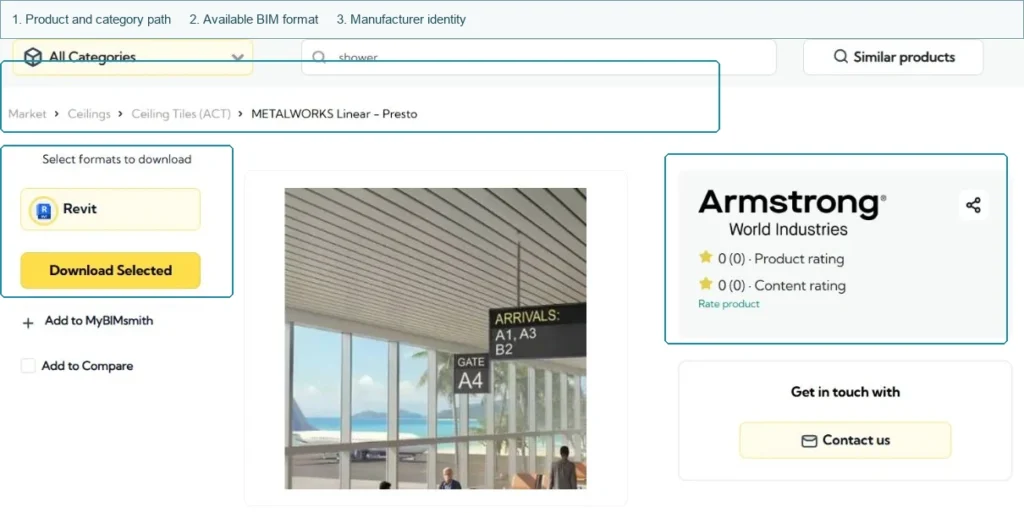
1. Product Identification
First, the submission should clearly identify the product being proposed.
Typical information may include:
- product name;
- brand;
- manufacturer;
- model or product code;
- country of origin;
- proposed supplier;
- intended area of use.
The objective is traceability.
A general catalogue containing 100 products is not enough if nobody can determine which model the supplier has actually quoted.
The proposed material should be identifiable across the quotation, datasheet, drawings, samples, certificates, approval records, and eventual purchase order.
2. Technical Product Information
The submission should contain enough information to compare the proposed product with the project requirement.
Depending on the product, this may include:
- dimensions;
- material composition;
- thickness;
- performance values;
- finish;
- installation requirements;
- technical drawings;
- manufacturer specifications;
- relevant test values.
The important procurement question is:
Can the project team compare the required specification with the exact product being offered?
This becomes especially important when a supplier proposes its standard product or an alternative brand.
The phrase “equivalent product” should not replace actual technical evidence.
3. Compliance Documents
Some products require additional evidence to demonstrate compliance.
Depending on the project, this may include:
- certificates;
- declarations;
- test reports;
- fire-performance documentation;
- environmental documentation;
- applicable standards;
- third-party testing evidence;
- manufacturer certifications.
Procurement should not assume that every construction material requires every certificate.
The required evidence should be determined by the product category, project specification, applicable standards, local regulations, and consultant or client requirements.
The better question is:
What evidence is actually required to approve this particular material?
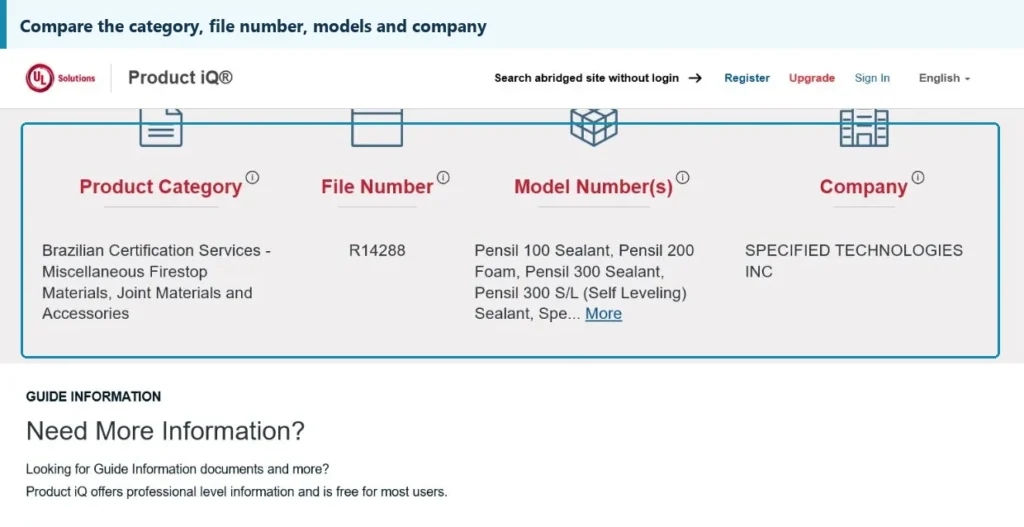
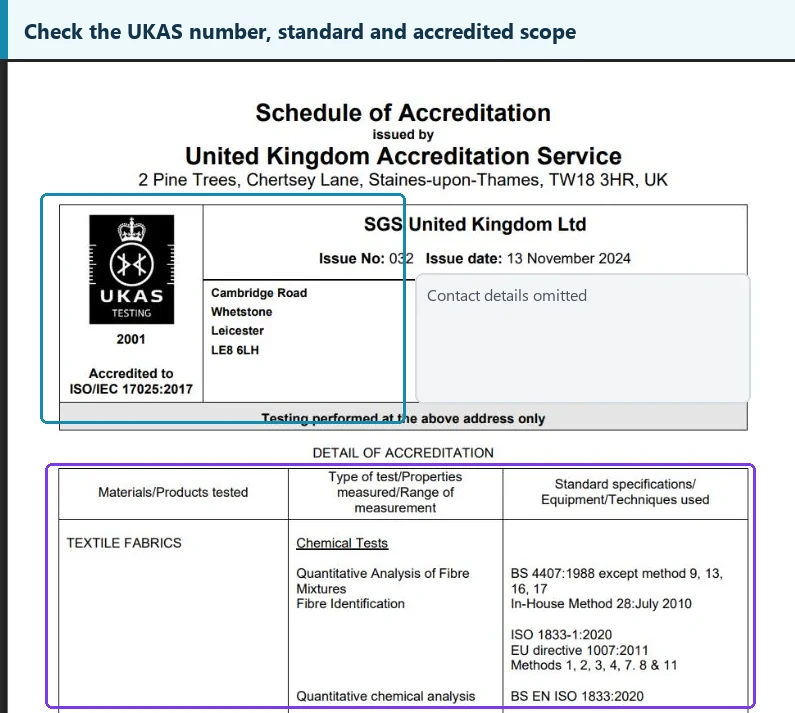
Where verification is required, procurement teams may need official standards databases, certification databases, accredited laboratory directories, or supplier-verification resources.
4. Shop Drawings and Technical Drawings
Some products require drawings in addition to standard datasheets.
These may show:
- dimensions;
- fabrication details;
- interfaces;
- fixing methods;
- installation details;
- coordination with adjacent work.
For custom-made or project-specific products, drawings can become one of the most important approval documents because they define exactly what the supplier will manufacture.
Procurement does not need to perform the technical design review, but it should ensure the correct approved drawing revision is connected to the final order.
5. Samples and Finish Approval
Certain materials require visual or physical approval.
Examples may include:
- product samples;
- material samples;
- color samples;
- finishes;
- textures;
- mock-ups;
- sample boards.
In these situations, documentation alone may not define the final product.
Procurement should make sure the approved sample can later be linked to the supplier's production item.
If a finish, color, or sample reference is important, it should also be reflected in the purchasing record.
The Construction Material Submittal Process: Step by Step
The following workflow helps connect technical approval with procurement activity.
Step 1: Identify the Material Requirement
Start with the project requirement, not the supplier catalogue.
Relevant sources may include:
- project specifications;
- BOQ;
- drawings;
- material schedules;
- approved manufacturer requirements;
- technical schedules.
Procurement needs to understand what is being purchased before requesting quotations or supplier documents.
At minimum, identify:
- material category;
- required performance;
- dimensions or quantities;
- applicable standard;
- finish or appearance requirements;
- required approvals;
- required-on-site date.
An unclear requirement usually creates an unclear RFQ, which then produces supplier quotations that are difficult to compare.
Step 2: Find and Shortlist Suitable Suppliers
Once the requirement is clear, procurement can identify potential suppliers or manufacturers.
Typical screening considerations include:
- product capability;
- manufacturing capability;
- relevant project experience;
- documentation capability;
- certification where required;
- lead time;
- commercial terms.
This stage should not be confused with final material approval.
A supplier may be capable and commercially attractive while the exact proposed product still requires approval.
Step 3: Confirm the Exact Proposed Product
Do not submit “Supplier A's product range.”
Identify the exact material being proposed.
Confirm where relevant:
- manufacturer;
- brand;
- model;
- dimensions;
- technical specification;
- finish;
- product options.
The more precisely the product is identified at this stage, the easier it becomes to maintain consistency through approval, ordering, production, and delivery.
Step 4: Collect the Required Supplier Documents
Procurement should give suppliers a clear document request instead of repeatedly asking for individual files.
A typical request may be organized into:
- product identification;
- technical data;
- drawings;
- certificates;
- test reports;
- compliance evidence;
- samples.
For projects using a formal Material Approval Request (MAR), the detailed submission checklist should be prepared before sending the package for approval.
A structured document request reduces unnecessary email cycles and helps suppliers understand the project's expectations from the beginning.
Step 5: Perform an Internal Completeness Check
The consultant or client should not be the first person to discover obvious missing information.
Before formal submission, the contractor or project team should review the package for completeness and consistency.
Check questions such as:
- Is the correct BOQ or specification reference included?
- Is the exact product identifiable?
- Do documents refer to the same manufacturer and model?
- Are required certificates attached?
- Are technical deviations clearly identified?
- Are drawings included where required?
- Are samples included where required?
- Are document revisions clear?
This internal check can prevent simple problems from creating another full approval cycle.
Do not use external approval as the first document quality check.
Step 6: Submit the Material Submittal or MAR
Once the package is complete, submit it through the project's document-control process.
The submission may record:
- MAR or submittal number;
- material description;
- specification reference;
- supplier;
- manufacturer;
- product/model;
- submission date;
- revision;
- attachment list.
The exact form varies by project.
The key requirement is that the submission creates a traceable record of exactly what was proposed.
Step 7: Consultant or Client Review
The submission then goes through the required technical review.
Possible responses may include:
- approved;
- approved with comments;
- revise and resubmit;
- rejected or not approved.
Different organizations use different terminology.
Procurement should not rely only on the label.
The real question is:
Does this approval status permit the material to be ordered or fabricated under the project's procedures?
This becomes especially important when the response contains conditions or comments.
Step 8: Resolve Comments and Resubmit
If revisions are required, identify exactly what must change.
Typical issues include:
- missing data;
- missing certificates;
- unsupported equivalency;
- incorrect product;
- drawing conflicts;
- technical deviations;
- sample discrepancies.
A revised submission should use clear revision control.
Superseded documents should not remain mixed with the current approval package.
Otherwise, procurement may later issue an order based on an old datasheet or drawing.
Step 9: Record Final Approval
Once the material is approved, record the final status.
Useful information may include:
- approval date;
- approved revision;
- manufacturer;
- product/model;
- approved finish;
- sample reference;
- approved deviation;
- reviewer comments.
For projects managing many materials, this information should normally be tracked in a submittal log or material approval register.
The objective is not simply to create another spreadsheet.
The tracker should help answer:
Which material approvals are currently blocking procurement?
Step 10: Release Procurement
Before issuing the PO, compare the final approval with the supplier's commercial offer.
Confirm that:
Approved material = quoted material = ordered material
Check:
- manufacturer;
- model;
- specification;
- finish;
- approved drawings;
- approved deviations;
- quantity;
- commercial terms.
This final connection between technical approval and purchasing is one of the most important procurement controls in the entire process.
Who Is Responsible for What?
Responsibilities vary between projects, but a typical workflow may involve several parties.
| Party | Typical Role |
|---|---|
| Procurement | Supplier coordination, document collection, quotation alignment, PO control |
| Supplier / Manufacturer | Product data, drawings, certificates, samples, technical clarification |
| Project / Technical Team | Specification and technical review |
| QA/QC / Material Engineer | Compliance and material-document review where required |
| Document Control | Submission numbers, revisions, transmittals and status tracking |
| Consultant / Client | Formal review and approval according to project procedures |
Procurement does not need to perform every technical function.
Its role is often to make sure the correct information moves between the supplier, technical team, document controller, reviewer, and purchasing process at the right time.
How Procurement Should Handle Different Approval Statuses
An approval status should trigger a procurement decision.
Approved
Confirm the final revision and proceed according to the project's procurement procedure.
Approved With Comments
Read the comments before purchasing.
Determine whether:
- the comments are informational;
- supplier changes are required;
- drawings must be revised;
- commercial pricing may change;
- manufacturing must wait.
Do not assume every conditional approval automatically means “safe to order.”
Revise and Resubmit
Resolve the comments and submit a controlled revision.
Where project procedures require final approval before purchasing, procurement should not treat a resubmission status as approval.
Rejected / Not Approved
Stop the purchasing release and identify the cause.
Possible next actions include:
- propose a different product;
- change manufacturer;
- provide additional evidence;
- resolve technical deviations;
- correct incomplete documentation.
Common Material Submittal Problems That Delay Procurement
Starting Too Late
Approval time is often forgotten when procurement schedules are prepared.
For long-lead materials, a late submittal can delay the PO and eventually the site delivery date.
Requesting Supplier Documents One by One
Repeated document requests create unnecessary email cycles.
A structured submission checklist is usually faster.
Generic Catalogues
A catalogue may contain useful information but still fail to identify the exact product being proposed.
Missing Specification References
Reviewers cannot efficiently check compliance when the submission is disconnected from the project requirement.
Inconsistent Product Information
Quotation, datasheet, drawing, certificate, and sample may refer to different models or manufacturers.
Missing Compliance Evidence
Required test reports, certificates, or declarations are not available when the submission is reviewed.
Hidden Technical Deviations
A supplier proposes a slightly different product but does not clearly identify the difference.
This can cause rejection or later disputes.
Poor Revision Control
Old and current documents are mixed together, making it unclear which version was actually approved.
Approval Is Not Connected to the PO
The project approves one product, but procurement later orders another.
This defeats the purpose of the approval process.
Why the Submittal Schedule Must Be Connected to the Procurement Schedule
Procurement cannot plan only from PO date to delivery date.
A construction material may require:
Document preparation
- internal review
- consultant review
- revision and resubmission
- final approval
- production
- shipping
- site delivery
For long-lead materials, approval time may become part of the critical procurement path.
A better planning approach works backward:
Required-on-site date ← delivery/logistics ← production ← purchase release ← material approval ← consultant review ← submittal preparation
This is why material approval status should be connected to the construction procurement schedule rather than managed as an isolated document-control activity.
How to Track Material Submittals
A practical material-submittal tracker may include:
- submittal number;
- material;
- specification section;
- supplier;
- manufacturer;
- submission date;
- revision;
- current status;
- reviewer;
- response date;
- approval date;
- required procurement date;
- PO status.
The objective is not to collect as many fields as possible.
A good tracker should quickly show:
Which approvals are late, which materials cannot yet be ordered, and which items could affect the project schedule?
After Approval: Maintain Traceability Through Delivery
Material approval should remain useful after the PO has been issued.
The ideal chain is:
Specification → Material submittal → Approval → Approved product → Purchase order → Production → Delivery → Receiving inspection
Relevant references may include:
- MAR or submittal number;
- product code;
- manufacturer;
- drawing revision;
- approved sample;
- approved deviation;
- PO number.
This traceability allows the receiving or project team to determine whether the delivered material matches what was actually approved.
Tools and Resources for Managing Material Submittals
Construction procurement teams often need several different types of resources during the submittal process.
Project Documents & Submittals
Useful for finding:
- material approval forms;
- submittal templates;
- submittal logs;
- document registers;
- transmittal resources;
- tracking tools.
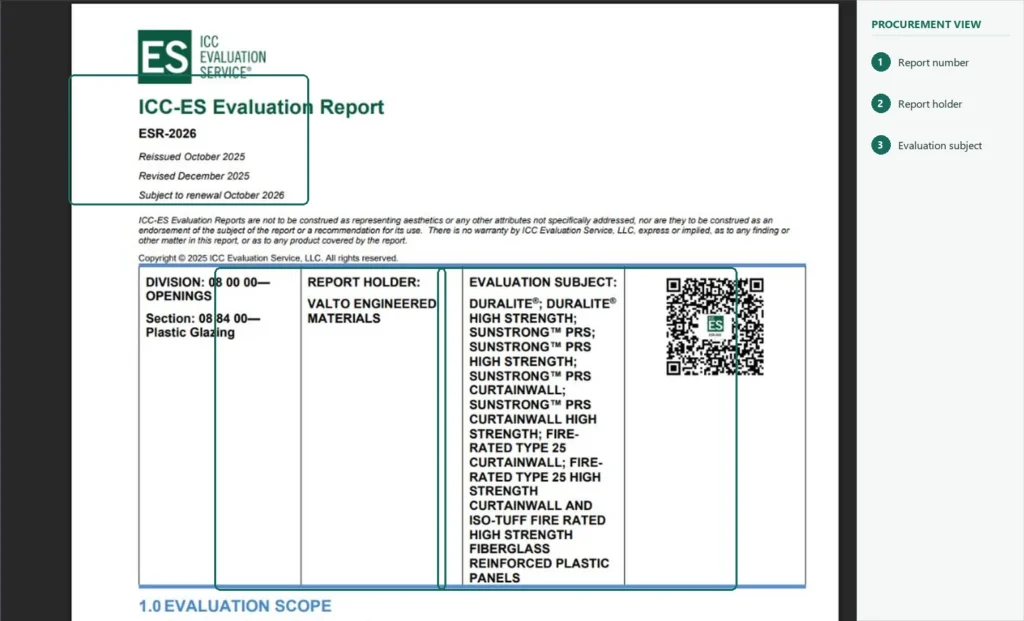
Standards & Codes
Useful when checking applicable:
- ASTM standards;
- ISO standards;
- EN standards;
- ICC codes;
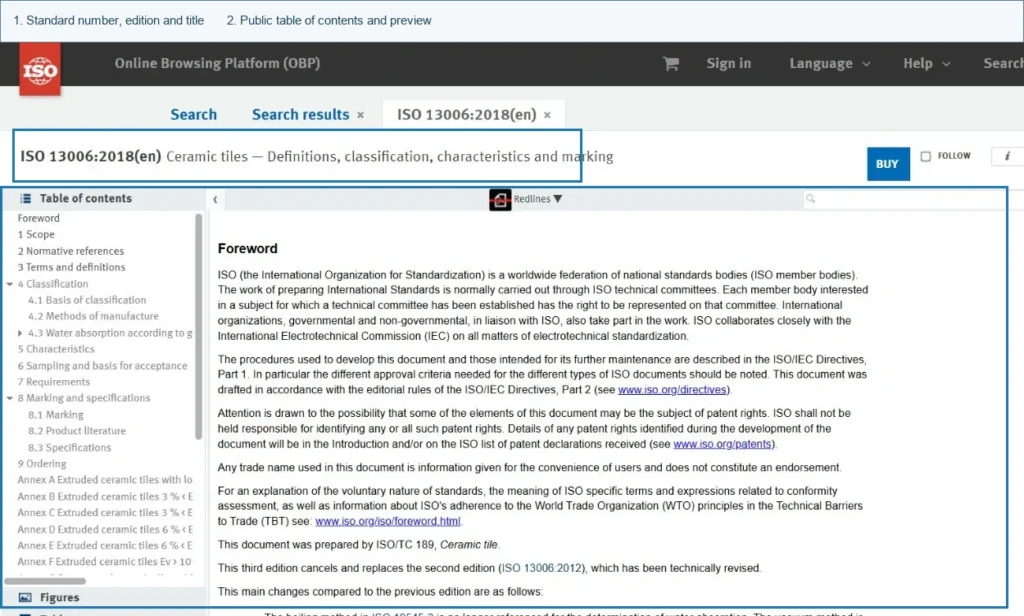
- other construction product requirements.
Product Certification
Useful when reviewing:
- product certificates;
- declarations;
- conformity requirements;
- certification databases.
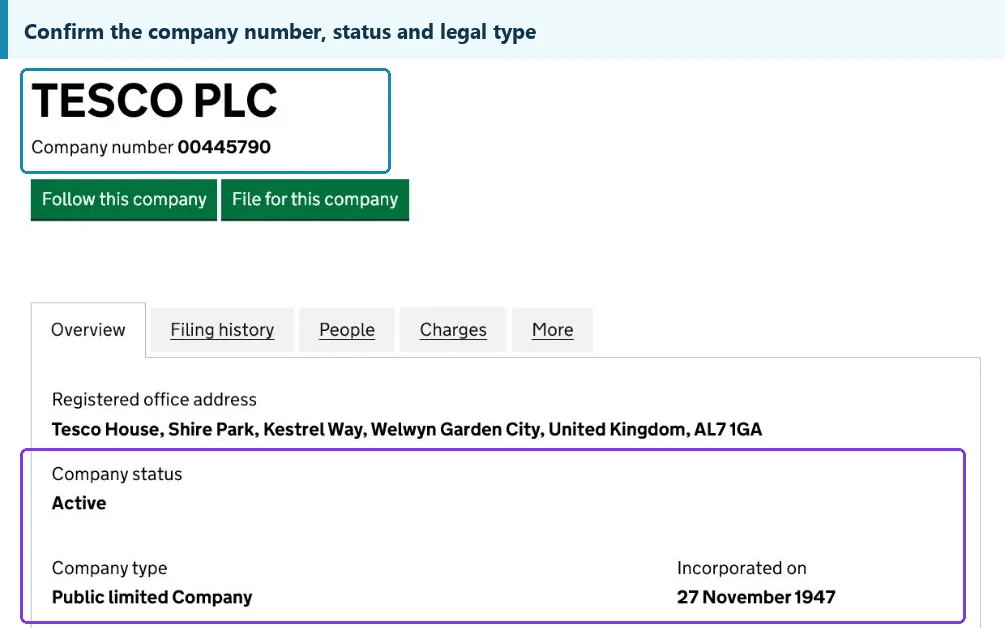
Supplier Verification
Useful when checking:
- company identity;
- manufacturers;
- certification information;
- testing laboratories;
- supplier legitimacy.
RFQ, BOQ & Evaluation
Useful earlier in the workflow for:
- defining material requirements;
- preparing RFQs;
- comparing supplier quotations;
- evaluating suppliers.
Using the right resource at each stage can reduce the time procurement teams spend repeatedly searching across unrelated websites.
Construction Material Submittal Process Checklist
Before releasing procurement, confirm that the following steps are complete where applicable:
- Project material requirement identified.
- Suitable suppliers shortlisted.
- Exact proposed product confirmed.
- Required supplier documents collected.
- Technical information checked against the specification.
- Required certificates or test reports available.
- Required drawings or samples submitted.
- Material submittal or MAR formally issued.
- Review comments resolved.
- Final approved revision recorded.
- Supplier quotation matches the approved product.
- Purchase order clearly identifies the approved material.
A compressed project schedule may justify faster coordination.
It should not make unresolved approval problems disappear.
Continue the Material Submittal Workflow
Use the Project Documents & Submittals collection as the primary next step for material approval forms, submittal templates, registers, transmittal resources and document-control tools. Use the supporting categories when the submittal requires supplier, certification or standards verification.
FAQ
What is included in a construction material submittal?
A material submittal may include product datasheets, manufacturer information, technical specifications, drawings, samples, certificates, test reports, and other compliance documents required by the project. The exact package depends on the material and specification.
Who prepares a material submittal?
Responsibilities vary. Suppliers normally provide product information and supporting documents, while procurement, technical teams, QA/QC, material engineers, and document controllers may help review, compile, track, and formally submit the package.
Can materials be ordered before submittal approval?
That depends on the project's procedures and contract requirements. However, ordering before required approval creates a risk that the material may later be rejected, changed, or require additional documentation after production has already started.
What is the difference between a material submittal and a Material Approval Request?
Terminology varies between projects. A Material Approval Request may be the formal document used to obtain approval for a proposed material, while the broader material submittal package contains the supporting product and compliance information submitted for review.
How should material submittals be tracked?
Projects commonly use a submittal log or material approval register to record the material, supplier, submission date, revision, approval status, response date, and procurement status. The most useful tracker is one that clearly shows which approvals are currently delaying purchasing or delivery.
