Material Approval Request (MAR) for Construction Procurement: What to Submit Before Ordering Materials
For construction procurement teams, receiving a supplier quotation is not the same as being ready to place an order. A proposed material may meet the budget and delivery schedule but still require technical approval, supported by product data, certificates, test reports, samples, drawings, or other evidence.
A well-prepared Material Approval Request connects the project specification, proposed manufacturer, exact product, supporting documents, approval decision, and eventual purchase order before money is committed.
What Is a Material Approval Request in Construction Procurement?
A Material Approval Request is a formal submission used to obtain approval for a proposed construction material or product before it is purchased or used on a project.
The exact form and approval workflow vary between contractors, consultants, clients, and projects, but the procurement logic is generally similar:
A supplier may be commercially acceptable while the proposed product still fails to satisfy the specification, certification, performance, finish, or documentation requirements.
MAR vs MIR
A MAR normally relates to approval of the proposed material before procurement or use.
A Material Inspection Request (MIR), where used, generally relates to inspection after the material has arrived on site.
They solve different problems and should not be treated as interchangeable documents.
What Should Be Included in a Material Approval Request?
A useful MAR should allow the reviewer to identify exactly what material is being proposed and compare it against the project requirement.
Is this the exact material required for this application, and is there enough evidence to approve it?
If that question cannot be answered from the submission package, procurement should normally resolve the missing information before sending the MAR forward.
Documents Procurement Should Collect From the Supplier
The exact document package depends on the product, specification, jurisdiction, and project requirements. Procurement teams can usually organize the supplier's submission into several categories.
1. Product Identification Documents
Start by confirming exactly what the supplier is proposing.
- product datasheet;
- technical catalogue;
- manufacturer information;
- model or product code;
- product drawings;
- installation information where relevant.
One common problem is receiving a general catalogue containing dozens of products without any clear indication of which model has actually been quoted.
The MAR should make the proposed product traceable. The quotation, datasheet, catalogue, sample, certificate, and eventual purchase order should all refer to the same product wherever possible.
2. Specification and Technical Compliance Information
The next question is whether the proposed material actually satisfies the project requirement.
This is particularly important when suppliers propose their standard product as an alternative to the originally specified material.
A supplier saying that a product is “equivalent” is not enough. The procurement team needs enough information for the technical reviewer to compare required specification vs proposed product.
If there is a difference, it should be identified clearly rather than hidden inside a large datasheet.
3. Certificates and Test Reports
Depending on the product and project, supporting documents may include:
- product certificates;
- declarations of conformity or performance;
- laboratory test reports;
- fire-performance documentation;
- environmental documentation;
- manufacturer certifications;
- third-party inspection or testing evidence.
Not every construction product requires every type of certificate. Requirements depend on the material category, project specification, local regulations, applicable standards, and consultant or client requirements.
Procurement teams should therefore avoid collecting documents simply because the supplier has them. The better question is:
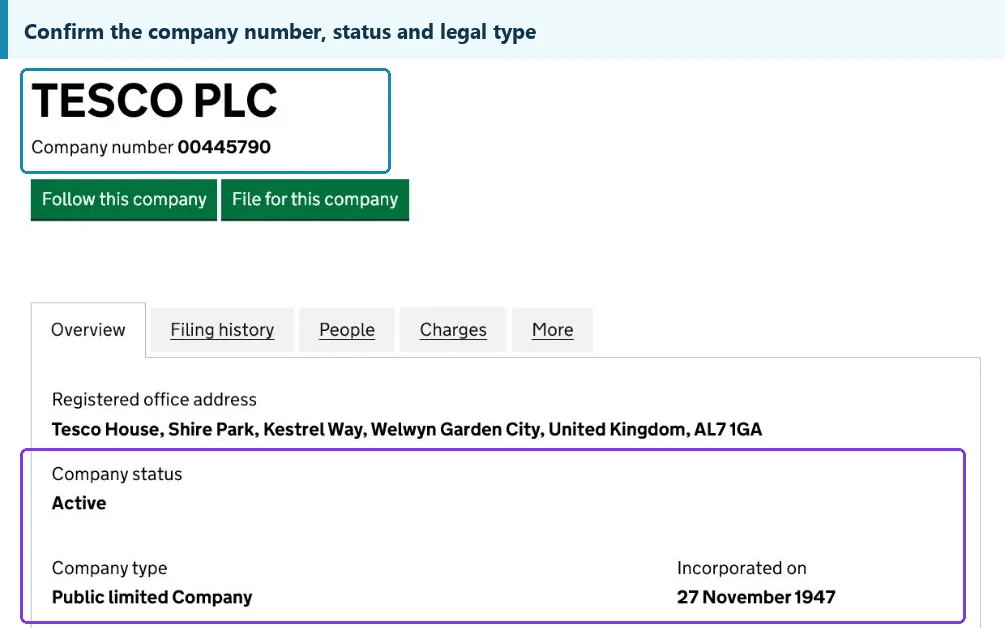
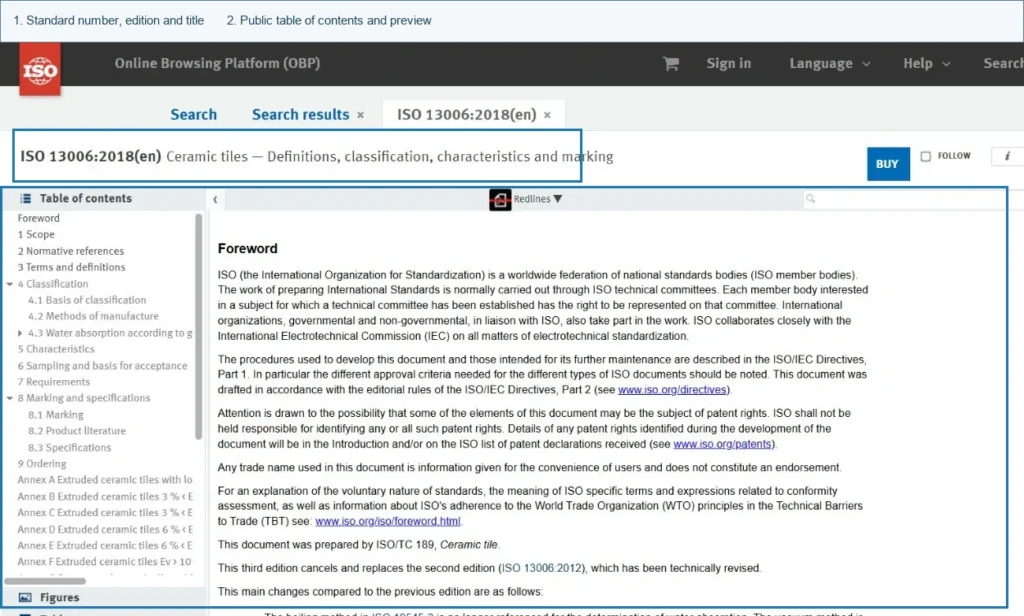
Where verification is necessary, procurement teams can use relevant Product Certification, Standards & Codes, and Supplier Verification resources to identify official databases, certification bodies, or testing laboratories.
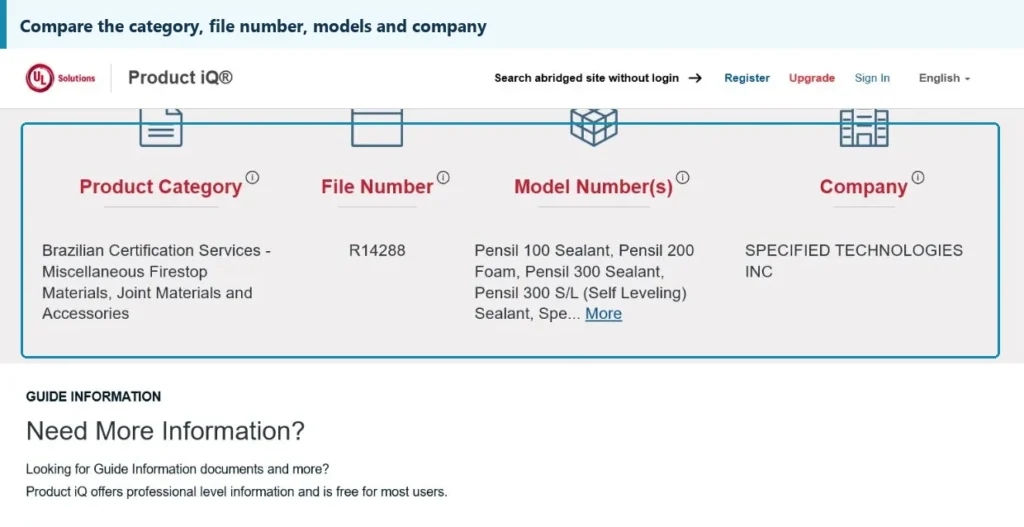
4. Samples, Colors and Finish Information
Some materials cannot be approved from documents alone. Projects may require physical samples, color samples, finish samples, mock-ups, sample boards, or approved reference codes.
Where samples are involved, traceability becomes important. The sample that receives approval should correspond to the product that will eventually be manufactured and delivered.
Procurement should therefore record the relevant model, finish, color, sample reference, or approved revision when possible. Otherwise, a supplier may later deliver a technically similar product that does not match the approved appearance.
5. Commercial Information Procurement Should Check Separately
Technical approval is only one part of the purchasing decision. Even when the proposed material is acceptable technically, procurement still needs to review commercial conditions such as:
Procurement should therefore connect the approved technical submission with the commercial evaluation before releasing the order.
Pre-Submission MAR Checklist for Procurement Teams
Before sending the Material Approval Request for review, check the submission systematically.
Project requirement
Proposed product
Supplier and manufacturer
Compliance
Samples
Document control
Can we clearly connect the specification, proposed product, supplier evidence, approval, and eventual PO?
If not, the package may still contain a procurement risk.
Common Reasons Material Approval Requests Get Delayed or Rejected
Many MAR problems are caused by incomplete or poorly organized supplier information rather than complicated technical issues.
The supplier sends a catalogue but does not identify the exact proposed model.
The reviewer cannot easily determine what requirement the material is supposed to satisfy.
One or more dimensions, performance values, materials, finishes, or standards do not match the project specification.
Required certificates, test reports, drawings, or other documents have not been included.
The quotation identifies one company, the catalogue another brand, and the certificate a different legal entity.
The physical sample does not correspond with the model, finish, or technical information in the MAR.
The supplier submits an old datasheet, expired document, or superseded test report.
Procurement commits to production before the required approval is complete.
Ordering before required approval can create difficult situations if the consultant later rejects the material or requests a change.
What If the Proposed Material Does Not Fully Match the Specification?
Not every deviation requires immediate rejection, but every important deviation should be visible.
Submit the required documents, obtain approval, and release the purchase according to the project procedure.
Clearly identify the alternative manufacturer or brand and provide enough evidence for the reviewer to assess equivalence.
Do not hide the difference. Show the required value, proposed value, nature of the difference, supporting evidence, and reason for the alternative.
If an essential certificate, test result, or compliance document cannot be provided, resolve that gap before committing to the order whenever possible.
The cost of clarifying a missing document before purchase is usually much lower than resolving a rejected material after production or delivery.
After MAR Approval: Connect the Approval to the Purchase Order
Approval should not be treated as the end of the process. It should become part of the purchasing record.
Before releasing the purchase order, procurement should confirm that the commercial order still matches the approved submission:
Useful references may include MAR number, approval revision, manufacturer, brand/model, approved finish or sample, applicable specification, approved deviations, and relevant drawing or datasheet revision.
The project approves one material, but the supplier later manufactures or delivers another.
Clear traceability also makes later delivery inspection and document review easier.
Where to Find MAR and Verification Resources
Preparing a Material Approval Request often requires information from several sources. Build Procurement Hub groups those resources by the procurement task they support.
Using the correct official database or professional resource can reduce the time spent repeatedly searching for the same information across different projects.
Final MAR Procurement Checklist
Before releasing an order for a construction material, procurement should be able to answer yes to the critical questions below:
If a critical answer is still no, resolve the issue before releasing the purchase wherever the project procedure requires material approval first.
Next procurement step
Use the Project Documents & Submittals collection to organize the approval package, then use Product Certification and Supplier Verification resources where evidence needs to be checked before the order is released.
FAQ
What documents are normally required for a Material Approval Request?
Requirements vary by material and project. A typical package may include product datasheets, manufacturer information, technical specifications, drawings, certificates, test reports, compliance documents, and samples where required. The project specification and approval procedure should determine the final document list.
Can construction materials be ordered before MAR approval?
Project procedures differ, but ordering material before required approval creates procurement risk. If the material is later rejected or changed, the buyer may face production delays, cancellation costs, replacement costs, or schedule disruption.
Is a Material Approval Request the same as a material submittal?
Terminology varies between projects. A MAR may be the material-specific approval form or may form part of a wider material submittal process. The important point is that the proposed product and supporting evidence are reviewed before the relevant procurement or installation stage.
What happens after a material is approved?
Procurement should connect the approval to the supplier quotation and purchase order, then maintain traceability through production, delivery, receiving, and site inspection. Where the project uses a Material Inspection Request process, the delivered material may then be inspected against the approved submission.
