Material Requisition in Construction: How to Turn Site Material Needs into a Purchase-Ready Request
A site team sends procurement a message:
Need 500 pcs tiles urgently.
The need may be real, but procurement still cannot act confidently.
Which tile?
Procurement rule: a requisition should define what is needed, how much still needs to be bought, when it is required and whether the requirement is technically and commercially ready for procurement action.
What size and finish?
Is the product already approved?
Does the project really need another 500 pieces, or are some already in stock or covered by an existing purchase order?
And what does “urgent” actually mean?
A useful material requisition solves this problem by converting a project or site requirement into information that procurement can actually use.
The goal is not simply to tell procurement:
We need material.
It is to answer:
What exactly do we need, how much still needs to be purchased, when must it arrive, and is the requirement ready for procurement action?
A practical workflow is:
Site / Project Need → Material Requisition → Requirement Check → Stock / Existing PO Check → Technical Readiness Check → Required-on-Site Date → Internal Approval → Ready for Procurement → Supplier Search / RFQ / PO
What Is a Material Requisition in Construction?
A material requisition is an internal request used to formally communicate a material requirement to the team responsible for procurement or purchasing.
It creates a controlled connection between:
Project Requirement
and:
Procurement Action
Depending on the situation, an approved requisition may trigger:
- a stock check;
- supplier sourcing;
- an RFQ;
- technical clarification;
- material approval;
- purchase-order preparation.
A requisition should therefore contain enough information for procurement to determine the correct next step.
A material requisition is not just a request form. It is the starting input for a purchasing decision.
Material Requisition vs Purchase Order
These are different documents with different purposes.
Material Requisition
A requisition is usually internal.
It answers:
What does the project need procurement to obtain?
Typical direction:
Site / Engineer / Project Team → Procurement
Purchase Order
A purchase order is issued to an external supplier.
It answers:
What has the company formally agreed to buy from this supplier?
Typical direction:
Buyer / Company → Supplier
The distinction is simple:
A requisition requests procurement action. A PO commits the purchase.
A submitted material requisition should therefore not automatically be treated as authorization to place an order immediately.
There may still be:
- stock checks;
- technical clarification;
- approval;
- supplier selection;
- quotation comparison;
before a PO is issued.
Material Requisition vs BOQ
The BOQ may provide an important quantity and scope reference, but it serves a different purpose.
BOQ
Typically provides information about:
- project scope;
- measured quantities;
- material/work quantities;
- commercial quantity basis.
Material Requisition
Identifies:
What material quantity currently requires procurement action for a particular project, area, or construction stage?
For example:
BOQ quantity:
1,000 units
Already ordered:
600 units
Usable stock available:
100 units
Remaining requirement:
300 units
The new requisition should not automatically request another 1,000 units just because that is the original BOQ quantity.
The BOQ may provide the quantity basis. The requisition determines the current procurement need.
Step 1: Identify the Exact Material Requirement
The first requirement is simple:
Procurement must know what the item actually is.
Depending on the product, include:
- material description;
- material code;
- size;
- grade;
- thickness;
- finish;
- model;
- configuration;
- required performance.
Avoid descriptions such as:
Tile Door Glass Pipe
These may be understandable to the requester but are usually too vague for procurement.
A more useful description might be:
Porcelain floor tile, 600 × 600 mm, matte grey, approved Series X.
For a technical product, even more information may be necessary.
The correct level of detail depends on the material, but procurement should be able to distinguish the required product from similar alternatives.
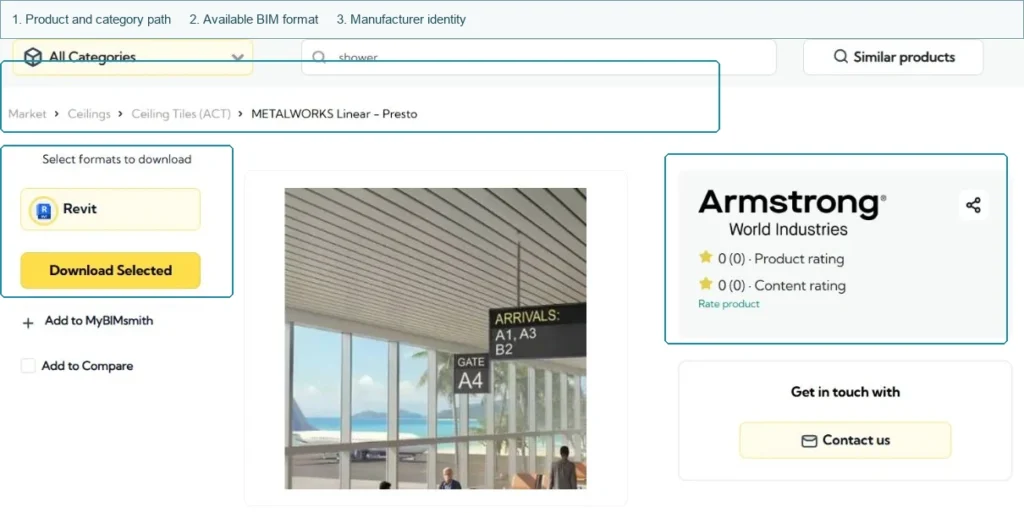
Step 2: Reference Where the Requirement Came From
A good requisition should allow the buyer to trace the request back to the project requirement.
Useful references may include:
- BOQ item;
- drawing number;
- project specification;
- material schedule;
- room schedule;
- approved material submittal;
- approved sample;
- site measurement;
- variation instruction.
For example:
BOQ Ref.: 08.15 Drawing Ref.: A-402 Rev.03 Area: Level 5 Guest Bathrooms
This is much stronger than relying entirely on a free-text description.
Traceability helps procurement understand not only what is being requested, but why the requirement exists.
Step 3: Calculate the Quantity That Actually Needs Procurement
One of the most important checks happens before suppliers are contacted.
Use the project's own procedures for wastage, spares, contingency and replacements. The purpose is to avoid purchasing the gross requirement twice.
Do not assume:
Required Quantity = New Purchase Quantity
First check:
- usable stock already available;
- quantities already ordered;
- confirmed incoming deliveries;
- previous requisitions;
- actual remaining project demand.
A simple working calculation is:
Net Quantity to Procure = Current Requirement − Usable Available Stock − Confirmed Incoming Quantity
For example:
Current site requirement:
500 m²
Available usable stock:
80 m²
Confirmed balance from existing PO:
120 m²
Net new quantity to procure:
300 m²
This calculation should be adapted to project procedures.
Some projects may also separately consider:
- approved wastage;
- spare quantities;
- contingency;
- replacement quantities.
The important point is to avoid automatically purchasing the gross requirement again.
Why Stock and Existing PO Checks Matter
A completely valid site requirement can still result in an unnecessary purchase.
Before opening a new sourcing process, ask:
Is the material already in stock?
Check:
- site stores;
- central warehouse;
- unused project stock where permitted.
Has the material already been purchased?
Check:
- open purchase orders;
- supplier production;
- pending deliveries;
- partial shipments.
Is another requisition already covering the requirement?
Duplicate requests can be raised by:
- different floors;
- separate site teams;
- different project departments.
Without these checks, procurement may solve the same requirement twice.
The question is not only “Do we need this material?” It is also “Do we need to buy it again?”
Step 4: Define the Required-on-Site Date
A requisition that says:
Urgent
does not provide enough scheduling information.
Procurement needs a real date.
Better:
Required on Site: 15 October
Where relevant, also identify:
- installation date;
- project phase;
- delivery sequence;
- phased quantities.
This date becomes an input to the procurement schedule.
Procurement can then work backward through:
Required-on-Site Date ← shipping ← production ← PO ← approval ← supplier selection ← RFQ
This is particularly important for long-lead materials.
Priority tells procurement that something matters. A required-on-site date tells procurement how much time remains.
Step 5: Confirm That the Requirement Is Technically Ready
Not every requisition should move immediately into sourcing or RFQ.
Consider this request:
100 shower doors
Procurement still may not know:
- opening dimensions;
- configuration;
- glass thickness;
- finish;
- hardware requirement;
- approved drawing;
- technical specification.
Sending an RFQ at this point is likely to generate quotations based on different assumptions.
A simple readiness classification can help.
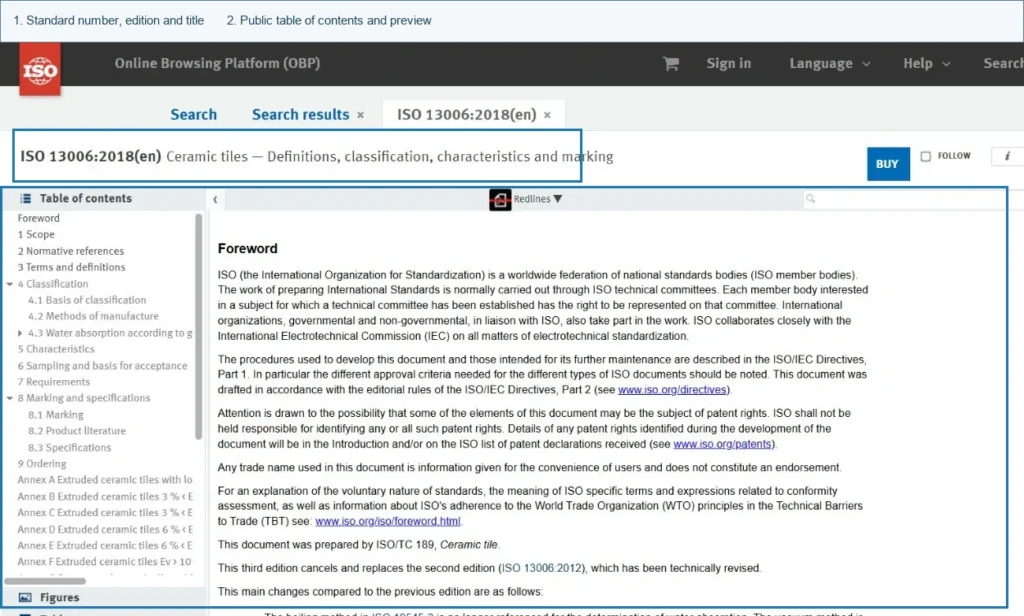
Ready for Procurement
The requirement is sufficiently defined to begin the next procurement step.
Clarification Required
Important technical or quantity information is missing.
Approval Pending
A product, specification, drawing, or selection still needs formal approval.
Already Covered
Stock or an existing order already satisfies the requirement.
A submitted form is not necessarily a procurement-ready requirement.
Step 6: Record Approved Brand, Model or Manufacturer Requirements
Some project materials are open for competitive sourcing.
Others already have defined product restrictions.
The requisition should record where applicable:
- approved manufacturer;
- approved brand;
- approved model;
- approved equivalent status.
This directly affects procurement strategy.
For example:
Brand Already Approved
Procurement may need to search for:
authorized distributors
rather than new manufacturers.
Open Specification
Procurement may search multiple manufacturers and run a technical/commercial evaluation.
Alternative Requires Approval
Procurement can source options but should not treat the alternative as technically approved until the required process is complete.
This prevents sourcing activity from drifting away from the project requirement.
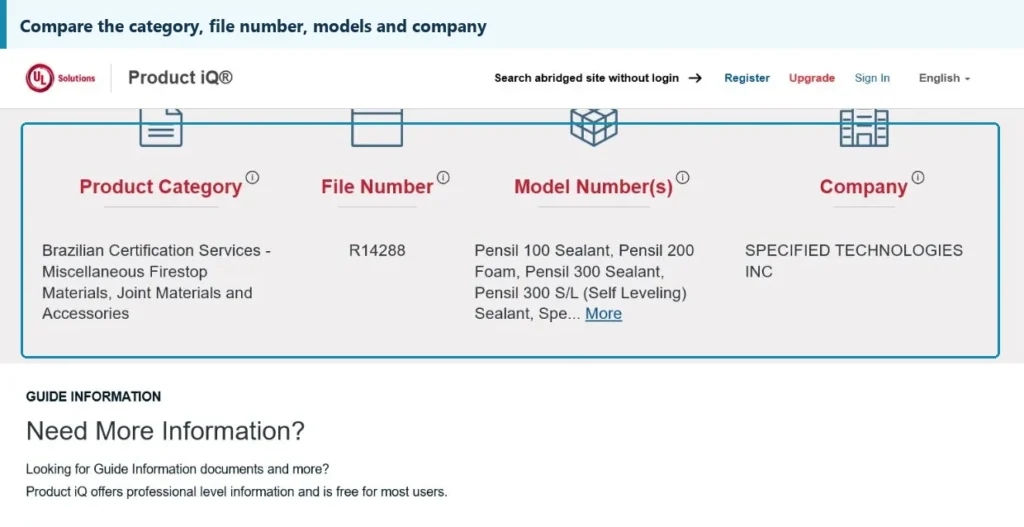
Step 7: Attach the Information Procurement Needs
Procurement should not need to search multiple project folders just to understand one requisition.
Attach the information needed to make the request executable.
Depending on the item, this may include:
- drawing;
- marked-up plan;
- BOQ extract;
- specification;
- approved datasheet;
- approved submittal;
- sample reference;
- site measurement;
- technical schedule.
Do not attach documents simply because they exist.
Provide the minimum information needed for procurement to understand and execute the requirement correctly.
Step 8: Identify the Project Area and Delivery Location
On larger projects, material requirements may be phased by:
- building;
- tower;
- floor;
- zone;
- room type;
- construction package.
Record where the material is needed.
For example:
Project: Hotel A Area: Tower B / Levels 6–10 Delivery Point: Site Warehouse 2
This can support:
- phased procurement;
- delivery scheduling;
- quantity control;
- later traceability.
Step 9: Apply the Required Internal Approval
Material requisitions can affect:
- cost;
- quantity;
- project scope;
- purchasing commitments.
Projects may therefore require internal approval before procurement proceeds.
Depending on company procedures, approvers may include:
- site engineer;
- project manager;
- quantity surveyor;
- cost control;
- procurement manager.
There is no universal approval chain.
The important requirement is:
Procurement should be able to see that the request has been authorized according to the project's own control process.
Essential Fields in a Construction Material Requisition
A practical requisition may include:
| Field | Procurement Purpose |
|---|---|
| Requisition No. | Traceability |
| Request Date | Timing |
| Project | Project reference |
| Area / Location | Where material is needed |
| Requester | Ownership |
| Material Description | Product identity |
| Specification | Technical requirement |
| BOQ / Drawing Ref. | Requirement source |
| Approved Brand / Model | Technical control |
| Required Quantity | Current demand |
| Unit | Quantity basis |
| Available Stock | Prevent duplicate buying |
| Confirmed Incoming Qty | Existing supply |
| Net Qty to Procure | New requirement |
| Required-on-Site Date | Procurement deadline |
| Priority | Operational urgency |
| Attachments | Supporting information |
| Approval | Authorization |
| Procurement Status | Ready / Clarify / Covered |
| Buyer / Owner | Next responsibility |
| Notes | Exceptions and actions |
The objective is not to create the longest possible form.
It is to give procurement enough information to take the next decision.
A Practical Material Requisition Example
Consider this requirement:
Material: Porcelain floor tile Required Quantity: 500 m² Available Stock: 80 m² Existing Confirmed PO: 120 m² Net Quantity to Procure: 300 m² Approved Product: Brand A / Series X / 600 × 600 mm / Grey Required on Site: 15 October Status: Ready for Procurement
Procurement can now proceed.
Now compare this with:
Material: Shower doors Quantity: 100 sets
But:
- opening dimensions incomplete;
- configuration not confirmed;
- drawing approval pending.
Status:
Clarification Required
The procurement team should not yet issue a complete RFQ based on incomplete technical information.
This illustrates the real purpose of requisition control:
Determine whether the requirement is executable, not simply whether someone has requested it.
What Happens After the Material Requisition Is Ready?
The next action depends on the requirement.
Existing Contract or Supplier Available
Procurement may proceed with pricing, call-off, or purchasing according to company procedure.
New Supplier Required
Move to:
Supplier Search and Shortlisting
Competitive Quotes Required
Prepare:
Construction Material RFQ
Product Still Needs Technical Approval
Move through:
Material Approval / Submittal
Long-Lead Package
Add it to:
Procurement Schedule / Long-Lead Register
Existing Stock Covers the Requirement
Use internal stock rather than starting a new purchase.
The requisition is therefore a routing point between project demand and the correct procurement workflow.
Connect the Requisition to the Procurement Schedule
The most important scheduling input from the requisition is:
Required-on-Site Date
Procurement can use that date to determine:
- latest RFQ date;
- supplier-selection deadline;
- approval deadline;
- latest PO date;
- production window;
- delivery target.
The relationship is:
Material Requisition
What does the project need and when?
Procurement Schedule
When must procurement complete each action to deliver it?
This makes procurement planning responsive to actual project demand.
Connect the Requisition to the RFQ
Once the requirement is ready, much of the requisition information becomes input for the RFQ.
The requisition provides:
- product;
- quantity;
- specification;
- project references;
- required date.
The RFQ then adds supplier-facing requirements such as:
- quotation format;
- commercial terms;
- delivery basis;
- technical deviations;
- documentation requirements.
The distinction is:
The requisition defines the internal procurement need. The RFQ communicates that requirement to potential suppliers.
Common Material Requisition Mistakes
1. Material Name and Quantity Only
Procurement still does not know exactly what to buy.
2. “Urgent” Without a Required Date
There is no measurable procurement deadline.
3. Copying the BOQ Quantity
Previous orders and stock may be ignored.
4. No Stock Check
Existing usable material may be repurchased unnecessarily.
5. No Open-PO Check
Products already in production or transit may be ordered again.
6. Missing Drawings or Specifications
Suppliers quote different assumptions.
7. Requesting Before Technical Information Is Defined
Later changes create rework.
8. Missing Approved Brand or Model Information
Procurement may search the wrong supplier market.
9. No Area or Phase Reference
The demand becomes difficult to trace.
10. Assuming Every Requisition Means “Buy Now”
The correct next action may instead be clarification, stock allocation, technical approval, or sourcing.
Material Requisition Checklist
Before releasing a material requisition to procurement, confirm where applicable:
- Project is identified.
- Requester is identified.
- Material description is clear.
- Technical specification is included.
- BOQ, drawing, or specification reference is available.
- Quantity basis is understood.
- Unit is correct.
- Available stock has been checked.
- Existing PO or incoming quantity has been checked.
- Net quantity requiring procurement is clear.
- Required-on-site date is defined.
- Project area or phase is identified.
- Approved brand/model is recorded where relevant.
- Important drawings or technical information are attached.
- Technical requirement is sufficiently defined.
- Internal approval is complete where required.
- Procurement status is clear.
- Duplicate requisition risk has been checked.
- Long-lead risk has been identified where relevant.
- The next procurement action has an owner.
Tools and Resources for Material Requisition Management
Different parts of the requisition process may require different procurement resources.
Project Documents & Submittals
Useful for:
- requisition forms;
- material schedules;
- approved technical records;
- drawing and submittal references.
RFQ, BOQ & Evaluation
Useful for:
- BOQ references;
- quantity information;
- RFQ preparation;
- later quotation comparison.
Common Procurement Tools
Useful for:
- requisition templates;
- request trackers;
- procurement logs.
Find Suppliers
Use when an approved requisition requires a new source.
Procurement Schedule
Use the required-on-site date to determine sourcing, approval, purchasing, production, and delivery deadlines.
Before searching suppliers, make sure the project request tells procurement exactly what is needed, how much still needs to be purchased, and when it must arrive.
Turn a Site Request Into a Procurement-Ready Requirement
Use the Project Documents & Submittals collection for requisition forms, material schedules, approved technical records and drawing/submittal references. Once the request is ready, move to RFQ, supplier search or purchasing based on the actual procurement route.
FAQ
What is a material requisition in construction?
A material requisition is an internal request used to formally communicate a construction material requirement to procurement or purchasing and initiate the appropriate sourcing or buying process.
What should a material requisition include?
Typical information includes the material description, specification, quantity, unit, project reference, required-on-site date, supporting technical documents, and relevant internal approval.
What is the difference between a material requisition and a purchase order?
A material requisition is an internal request to begin procurement activity. A purchase order is a formal commercial order issued to a supplier.
Is a material requisition the same as a BOQ?
No. The BOQ provides project scope and quantity information. A material requisition identifies the quantity currently requiring procurement action for a particular project need.
How can procurement avoid duplicate material purchases?
Before starting a new purchase, check the requisition against usable stock, existing purchase orders, confirmed incoming deliveries, and other active requests.
