How to Find Building Material Suppliers Online
Finding supplier names online is easy. Building a shortlist that is actually useful for a construction or building-material purchase is harder. The best sourcing process usually combines the right search terms, the right type of supplier directory, and a simple method for moving candidates from discovery into verification and RFQ.
Use online platforms to discover suppliers, not to prove that a supplier is qualified. A marketplace profile, directory listing or product page can help you build a longlist. Legal identity, manufacturing capability, certifications and payment details should be checked separately before a meaningful order is placed.
1. Define the Requirement Before You Search
Supplier search quality depends heavily on how clearly the purchase is defined. A broad search such as “glass supplier” or “door supplier” can return hundreds of companies that are technically relevant but commercially useless.
Before searching, write down the minimum information that will separate a useful supplier from an irrelevant one.
A catalog item may be suitable for distributor sourcing. A custom façade component, tested door system or project-specific glass package may require a manufacturer that can work with drawings, technical submittals, samples and revision control. That difference should shape the search from the beginning.
2. Choose the Right Sourcing Channel
No single supplier website is best for every procurement task. The useful question is not “Which platform is biggest?” but “Which type of source fits this purchase?”
Global B2B sourcing platforms
Global platforms such as Made-in-China, Alibaba.com and Europages are useful when you need broad supplier discovery across many product categories or countries. They are often a good starting point for building an initial longlist.
Country and regional supplier directories
If the sourcing geography is already defined, a local or regional directory can be more efficient than a global marketplace. Resources such as Thomasnet, IndiaMART Export, Singapore BCA, wlw and Thaitrade can help buyers narrow the search to suppliers active in a specific market.
Building-product databases
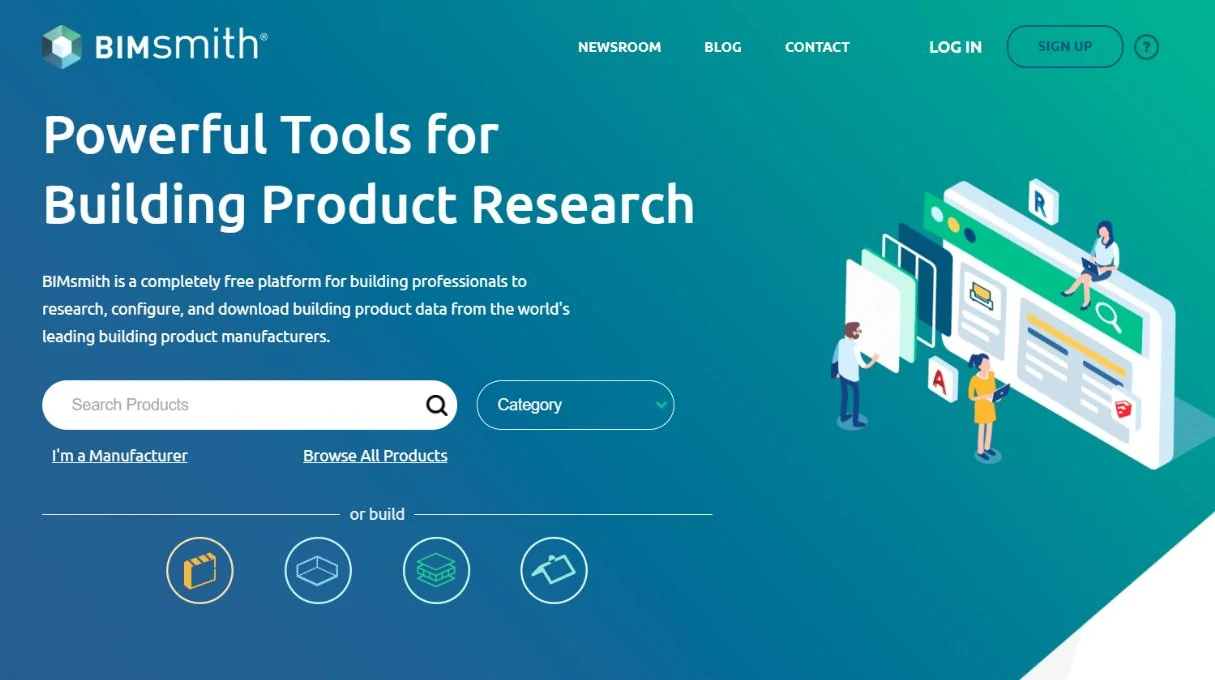
For specification-driven procurement, start from the product rather than the company. Building-product databases such as ARCAT, NBS Source, BIMobject, EBOSS and ArchiPro can be useful when you need technical literature, BIM files, manufacturer information or locally used products.
Exhibitor and industry directories
Trade-show and industry directories can provide another route into a supply market. For example, the Canton Fair exhibitor directory can help buyers identify Chinese suppliers by product sector. These sources are useful for discovery, but an exhibitor listing should not be treated as supplier verification.
Common mistake: using the same sourcing website for every procurement task. The best source for an export factory may not be the best source for a locally approved building product, a regional distributor or a specification-driven manufacturer.
3. Search With Procurement-Specific Keywords
Broad category keywords create broad results. A better search combines the product with the information that matters commercially or technically.
Examples might include:
- fire rated door manufacturer UAE
- porcelain tile manufacturer China
- architectural aluminum profile supplier Europe
- tempered architectural glass manufacturer
- roofing membrane manufacturer ASTM
Useful qualifiers include manufacturer, factory, exporter, distributor, OEM, project supplier, a relevant standard, or a target country. Try more than one terminology because suppliers do not always describe the same product in the same way.
The goal is not to generate the maximum number of supplier names. It is to reduce irrelevant results early.
4. Build a Longlist Before You Try to Pick a Winner
Do not judge the first few suppliers too quickly. First create a structured longlist and record the same basic information for each candidate.
This turns supplier sourcing from a collection of browser tabs into a procurement record. It also makes the next stage—shortlisting, RFQ and verification—much faster.
The number of suppliers will depend on the product and market. For one purchase, a buyer may start with ten or twenty plausible candidates and reduce them to a much smaller group for deeper review. Treat those numbers as workflow examples, not fixed rules.
5. Shortlist Suppliers Before Sending an RFQ
The first screening stage is not a full audit. It is a practical decision about which suppliers deserve more procurement time.
Compare candidates using factors such as:
- How closely the product range matches the requirement
- Whether the supplier appears to manufacture, control or distribute the relevant product
- Quality of technical information and product documentation
- Evidence of project or export experience where relevant
- Geographic fit and shipping practicality
- Communication quality and response consistency
- Whether the claimed standards or certifications appear relevant
- Whether the likely order size fits the supplier’s business model
A supplier does not need to be fully verified at this point. The aim is to remove obviously weak or irrelevant candidates before issuing detailed RFQs, requesting samples or spending time on factory checks.
6. Cross-Check Suppliers Across More Than One Source
A useful shortlist should not depend entirely on one marketplace profile. Once a company looks promising, compare its identity and product focus across several sources.
Useful cross-checks may include:
- The supplier’s own website
- The marketplace or directory where the supplier was found
- An official company register
- A trade fair or industry directory
- A building-product database
- A certification or approval database when relevant
- The company’s professional or market presence
Cross-checking does not prove that a supplier is qualified. It helps identify inconsistencies early. Different company names, unexplained locations, weak technical information or unclear business roles are all reasons to ask more questions before moving forward.
7. Supplier Discovery Is Not Supplier Verification
This distinction is one of the most important parts of online sourcing.
Supplier discovery answers: “Who might be able to supply this product?”
Supplier verification answers: “Is this the real legal company, can it make or control the product, are the claims credible, and is it safe to move toward commercial commitment?”
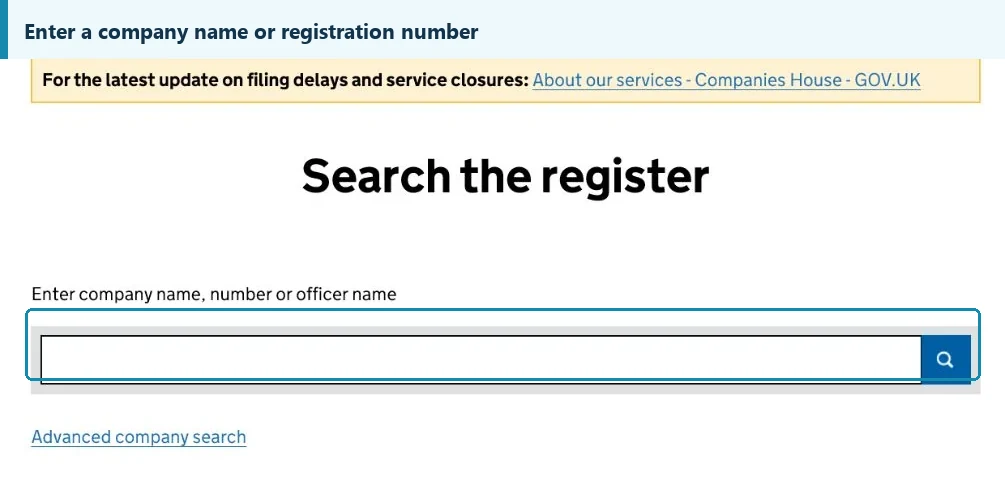
Before a meaningful order, buyers should normally verify the legal entity, payment beneficiary, product claims, relevant certifications and manufacturing or supply capability at a level appropriate to the risk.
For a step-by-step workflow, read How to Verify a Building Material Supplier Before Placing an Order.
8. A Simple Building Material Supplier Sourcing Workflow
The whole process can be kept simple:
The objective is not to find the supplier with the biggest online profile. It is to create a shortlist of companies that plausibly match the product, project, technical requirement, geography and commercial scale of the purchase.
Supplier Sourcing Tools
Build Procurement Hub groups supplier-discovery resources by procurement task so buyers can move between global sourcing platforms, local supplier directories and building-product databases without starting from a blank search every time.
This guide is a procurement workflow reference. Supplier listings, marketplace profiles and directory entries should not be treated as independent proof of legal status, manufacturing capability, certification or commercial reliability. Verification requirements vary by product, market, project and order risk.
