Construction Procurement Schedule: How to Plan Material Approval, PO, Production and Delivery Dates
A supplier tells you the production lead time is 45 days.
That sounds simple. But for a construction project, the material may still need technical documents, samples, shop drawings, a Material Approval Request, consultant review, revisions, final approval, purchase order release, packing, shipping, customs clearance, and inland delivery before it actually reaches the site.
So the real procurement cycle may be much longer than the supplier's stated production lead time.
This is why construction procurement teams need a procurement schedule that connects material approval, purchasing, production, logistics, and the required-on-site date.
Procurement rule: start with the required-on-site date and work backward through approval, PO release, production, inspection, packing, shipping, customs and delivery. The schedule should show the latest safe date for each action.
The most important principle is:
A construction procurement schedule should start with the date the material is required on site and work backward through every step needed to get it there.
The basic logic is:
Required-on-Site Date ← Delivery / Customs Buffer ← Shipping ← Packing / Inspection ← Production ← PO Release ← Final Material Approval ← Consultant Review / Resubmission ← Supplier Documents / Samples / Drawings ← RFQ / Supplier Selection
The key question is not simply, “What is the lead time?”
It is:
What is the latest safe date each procurement step can happen without delaying the project?
What Is a Construction Procurement Schedule?
A construction procurement schedule is a timeline used to plan and monitor the milestones required to source, approve, order, manufacture, ship, and deliver project materials.
Typical milestones may include:
- RFQ issue;
- quotation return;
- supplier selection;
- supplier document preparation;
- material submittal;
- consultant approval;
- purchase order;
- production;
- inspection;
- packing;
- shipment;
- customs clearance;
- site delivery.
A procurement schedule is not the same as a purchase-order tracker.
A tracker mainly asks:
What has already happened?
A procurement schedule asks:
What must happen by when?
That difference makes the schedule a planning and risk-control tool rather than just a historical record.
Start With the Required-on-Site Date
The best place to start is the date the project actually needs the material.
Suppose a material must be on site by:
30 November
The supplier requires:
- 45 days production;
- 5 days packing;
- 25 days shipping;
- 5 days for customs and inland-delivery buffer.
Working backward:
30 November − 5 days delivery/customs buffer − 25 days shipping − 5 days packing − 45 days production
This already pushes the production-release milestone back by about 80 days.
But that still does not include:
- supplier document preparation;
- material submittal;
- consultant review;
- revisions;
- internal PO approval.
This is why procurement planning should not begin with:
“When do we want to issue the PO?”
It should begin with:
“When must the material physically be available for the project?”
Break Total Procurement Lead Time Into Separate Components
One generic “lead time” field is usually not enough.
A more useful schedule separates the process into components.
| Lead-Time Component | What It Covers |
|---|---|
| RFQ / Supplier Selection | Quotation, clarification and award |
| Supplier Document Preparation | Datasheets, certificates, drawings and samples |
| Internal Review | Completeness and technical review |
| Consultant / Client Review | Formal approval cycle |
| Revision / Resubmission | Comments and updated submission |
| PO / Deposit Release | Internal and commercial release |
| Production | Manufacturing |
| Inspection / Testing | Pre-shipment or required testing |
| Packing | Export or project packaging |
| Shipping | Main transportation |
| Customs / Clearance | Import procedures |
| Inland Delivery | Port or warehouse to site |
| Site Buffer | Contingency before material is actually needed |
This breakdown helps procurement see where time is being consumed.
It also helps identify which stage is creating the current delay.
Step 1: Define the Material Requirement Date
The required date should be specific.
Weak:
Required: November
Better:
Required on site: 15 November
Also confirm:
- project location;
- required quantity;
- installation date;
- whether phased delivery is needed;
- whether the material must arrive earlier for inspection or storage.
A material may technically be required for installation on 20 November but need to arrive on 10 November to allow inspection, distribution, or site handling.
That earlier milestone should drive the procurement schedule.
Step 2: Confirm What the Supplier’s Lead Time Actually Means
Suppliers often quote a lead time such as:
45 days
But procurement needs to ask:
Forty-five days from what?
Possible start conditions include:
- PO receipt;
- deposit receipt;
- approved shop drawing;
- approved sample;
- final material approval;
- final dimensions;
- production release.
For example:
Production lead time: 45 days after approved drawing and deposit.
If the drawing approval takes two weeks after the PO is issued, the total cycle is not 45 days.
It is at least:
PO / deposit + drawing approval + 45-day production
The schedule should therefore record the actual trigger.
A supplier lead time is only useful when its start condition is clearly defined.
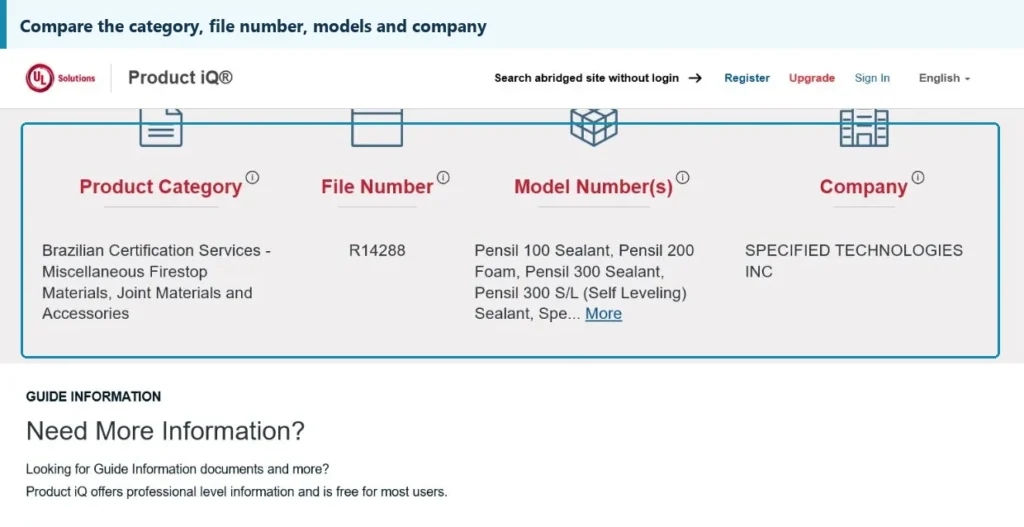
Step 3: Add Material Approval Time
Material approval is part of procurement lead time.
Before a product can be ordered or released for production, the project may require:
- product datasheets;
- certificates;
- test reports;
- shop drawings;
- samples;
- Material Approval Request;
- technical submittal;
- consultant or client review.
A realistic approval schedule may include:
Supplier document preparation → Internal review → Formal submittal → Consultant review → Comments → Revision → Final approval
Do not automatically assume first-submission approval.
If the product is complex, custom, or new to the project, some allowance for clarification or resubmission may be necessary.
Approval time is procurement time.
Ignoring it makes the procurement schedule look shorter than the real project cycle.
Step 4: Calculate the Latest Approval Date
One of the most useful schedule fields is:
Latest Approval Date
This tells the team how long an approval can remain pending before it starts affecting procurement.
A simplified approach is:
Latest Approval Date = Required PO / Production Release Date − Final Internal Release Time
Example:
Latest PO date:
20 August
Internal processing after approval:
3 working days
Latest final material approval:
17 August
If the material is still “under review” on 16 August, the team knows the issue is now urgent.
Without a latest approval date, a submittal can remain “pending” without anyone knowing whether the delay actually threatens the schedule.
Step 5: Calculate the Latest PO Date
The latest PO date is another critical procurement field.
A simplified formula is:
Latest PO Date = Required-on-Site Date − Logistics Time − Production Time − Required Buffers
Depending on the material, the calculation may also need to include:
- deposit processing;
- raw-material procurement;
- final drawing approval;
- inspection;
- packing;
- shipping-booking time.
Example:
Required on site:
30 November
Shipping, customs and inland delivery:
35 days
Production and packing:
50 days
Schedule buffer:
7 days
The PO or production release may need to happen around late August.
That immediately tells procurement that the material approval process must finish before then.
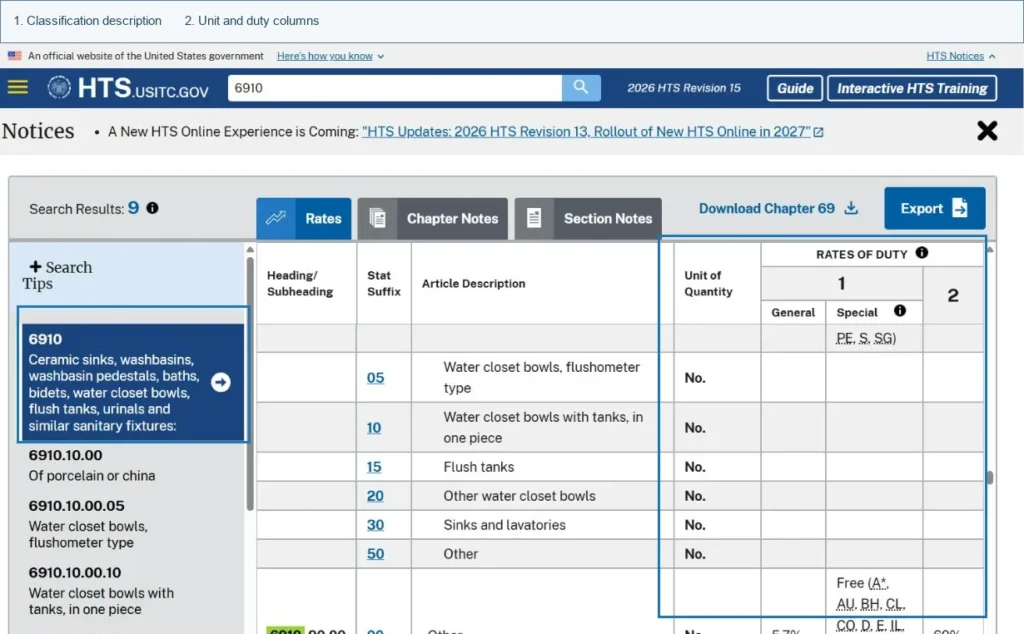
Step 6: Add Shipping and Import Time
International construction procurement often underestimates logistics time because teams use only the main transit duration.
For example:
Ocean transit: 25 days
does not necessarily include:
- factory-to-port transport;
- booking;
- export documentation;
- customs procedures;
- terminal handling;
- destination clearance;
- port-to-site delivery.
The schedule should separate these stages where they are material to the project.
A more realistic chain may be:
Production complete → packing → inspection → factory dispatch → export handling → vessel departure → ocean transit → destination arrival → customs clearance → inland delivery → site
Shipping times are not perfectly predictable, so appropriate project buffers may also be necessary.
Step 7: Include Inspection and Testing Where Required
Production completion does not always mean the material is ready to ship.
Some purchases may require:
- final inspection;
- pre-shipment inspection;
- witness testing;
- functional testing;
- sample comparison;
- packing inspection.
The real sequence may be:
Production Complete → Inspection → Corrective Action if Required → Final Release → Packing → Shipment
If inspection identifies a problem, production or shipping may be delayed.
That possibility should be considered for higher-risk or critical materials.
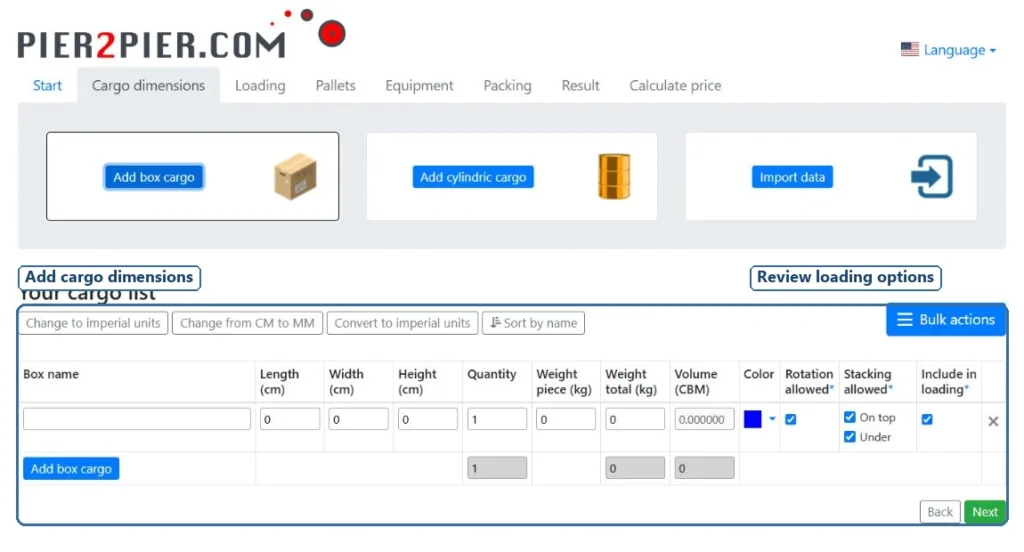
Step 8: Identify Long-Lead Materials Early
Not every material needs the same procurement attention.
Long-lead items are materials or equipment that require earlier action because of:
- manufacturing duration;
- customization;
- limited availability;
- technical approval;
- specialist testing;
- shipping;
- supply-chain constraints.
Depending on the project, examples may include:
- custom façade systems;
- elevators;
- specialist equipment;
- custom windows and doors;
- imported finishes;
- project-specific fabricated products.
Do not rely on a universal list.
A product becomes “long lead” when its total procurement cycle is long relative to the date the project needs it.
Useful schedule fields include:
- Long Lead: Yes / No
- Priority: High / Medium / Normal
These items should receive earlier supplier selection, submittal, and approval attention.
Step 9: Build the Procurement Schedule Backward
A simple backward schedule may look like this:
| Milestone | Planned Date |
|---|---|
| Required on Site | 30 Nov |
| Customs / Inland Delivery Complete | 25 Nov |
| Shipment Arrival | 20 Nov |
| Shipment Departure | 25 Oct |
| Packing / Inspection Complete | 22 Oct |
| Production Complete | 18 Oct |
| Production Start | 01 Sep |
| PO / Deposit Release | 28 Aug |
| Final Material Approval | 25 Aug |
| Consultant Review Complete | 22 Aug |
| Material Submittal | 08 Aug |
| Supplier Documents Complete | 05 Aug |
| Supplier Selection | 01 Aug |
The exact dates will vary by project.
The important point is the planning direction:
Start with the site requirement and move backward until the supplier-selection milestone becomes clear.
Essential Fields in a Construction Procurement Schedule
A practical schedule may include:
| Field | Why It Matters |
|---|---|
| Material / Package | Identifies the procurement item |
| Supplier | Connects schedule to the source |
| Required-on-Site Date | Final target date |
| Long-Lead Status | Shows priority |
| Supplier Document Due | Starts approval process |
| Submittal Date | Formal submission milestone |
| Approval Due | Shows approval deadline |
| Final Approval Date | Confirms release |
| Latest PO Date | Critical purchasing deadline |
| Actual PO Date | Shows delay |
| Production Lead Time | Manufacturing duration |
| Inspection Date | Quality-control milestone |
| Planned Ship Date | Logistics milestone |
| Planned Arrival Date | Delivery forecast |
| Current Status | Current position |
| Next Action | Immediate responsibility |
| Risk / Delay | Escalation indicator |
Do not add fields merely because a spreadsheet has space for them.
Track the information needed to manage procurement action and timing.
Keep Planned Dates and Actual Dates Separate
When delays happen, do not overwrite the original planned date.
Track both.
| Milestone | Planned | Actual |
|---|---|---|
| Material Submittal | 05 Aug | 07 Aug |
| Final Approval | 15 Aug | 20 Aug |
| PO Release | 18 Aug | 21 Aug |
This allows procurement to see:
- where delay occurred;
- how many days of buffer were consumed;
- whether later milestones now need to move.
If planned dates are constantly overwritten, the schedule loses its value as a control tool.
Connect the Procurement Schedule to the Submittal Log
A submittal log and procurement schedule answer different questions.
Submittal Log
Answers:
- Was the material submitted?
- Which revision is current?
- What is the approval status?
- Who needs to respond?
Procurement Schedule
Answers:
- When should approval be completed?
- When must the PO be issued?
- When must production begin?
- When must the material arrive?
Together they create much better control.
Example:
Submittal status: Under Review Latest approval date: Tomorrow
Result:
Escalate immediately.
The status alone would not show the urgency.
Connect the Schedule to PO and Delivery Tracking
The procurement schedule should not become an isolated spreadsheet.
The information should flow through the purchasing process.
Before PO:
Procurement Schedule
After PO:
PO / Order Tracker
After shipment:
Delivery / Shipment Tracker
The basic information chain should remain traceable:
Material → Required-on-Site Date → Approval → PO → Production → Shipment → Delivery
This reduces the need to rebuild the same procurement information at every stage.
How to Identify Procurement Schedule Risk
A simple risk status can help prioritize attention.
High Risk
Examples:
- latest PO date has passed;
- critical material remains unapproved;
- long-lead material has no confirmed supplier;
- production has not started as planned;
- shipping delay threatens site requirement.
Medium Risk
Examples:
- approval is still pending;
- supplier clarification remains open;
- schedule buffer is shrinking;
- production date is not fully confirmed.
Low Risk
Examples:
- material approved;
- PO issued;
- production or shipment is progressing;
- adequate schedule buffer remains.
The exact definitions can vary by project.
The goal is to make urgency visible.
Common Construction Procurement Scheduling Mistakes
1. Starting With the PO Date
This ignores all the work needed before the order can be released.
2. Using One Lead-Time Number
“60 days” may hide approval, inspection, packing, shipping, and customs.
3. Ignoring Consultant Review Time
Technical approval becomes an invisible delay.
4. Assuming First Submission Will Be Approved
Complex products may require clarification or resubmission.
5. Not Defining Lead-Time Start Conditions
A supplier's “45 days” may start only after approved drawings.
6. Treating Every Material With the Same Priority
Long-lead and project-critical items require earlier action.
7. No Latest Approval or PO Date
The team knows status but cannot judge urgency.
8. Overwriting Planned Dates
The project loses visibility of how delay developed.
9. Counting Only Main Shipping Transit
Export preparation, customs, and inland delivery are forgotten.
10. Failing to Update the Schedule
A schedule based on outdated supplier or project information is no longer a planning tool.
A Simple Procurement Schedule Example
| Material | Required on Site | Approval Due | Latest PO | Production | Ship | Status | Risk |
|---|---|---|---|---|---|---|---|
| Custom Windows | 30 Nov | 25 Aug | 28 Aug | 50 days | 25 Oct | Approval Pending | High |
| Floor Tile | 15 Oct | 20 Aug | 30 Aug | 25 days | 20 Sep | Approved | Low |
| Sanitary Fixtures | 20 Oct | 25 Aug | 05 Sep | 30 days | 25 Sep | PO Issued | Low |
Even a simple schedule should make four things easy to see:
Required date + latest action date + current status + risk
That is enough to improve procurement prioritization significantly.
Tools and Resources for Construction Procurement Scheduling
Different stages of the schedule may require different resources.
Project Documents & Submittals
Useful for:
- submittal logs;
- material approval trackers;
- procurement schedules;
- document registers.
RFQ, BOQ & Evaluation
Useful during:
- supplier sourcing;
- RFQ;
- quotation comparison;
- supplier selection.
Freight & Import Duties
Useful for estimating:
- freight;
- transit;
- customs;
- international delivery timing.
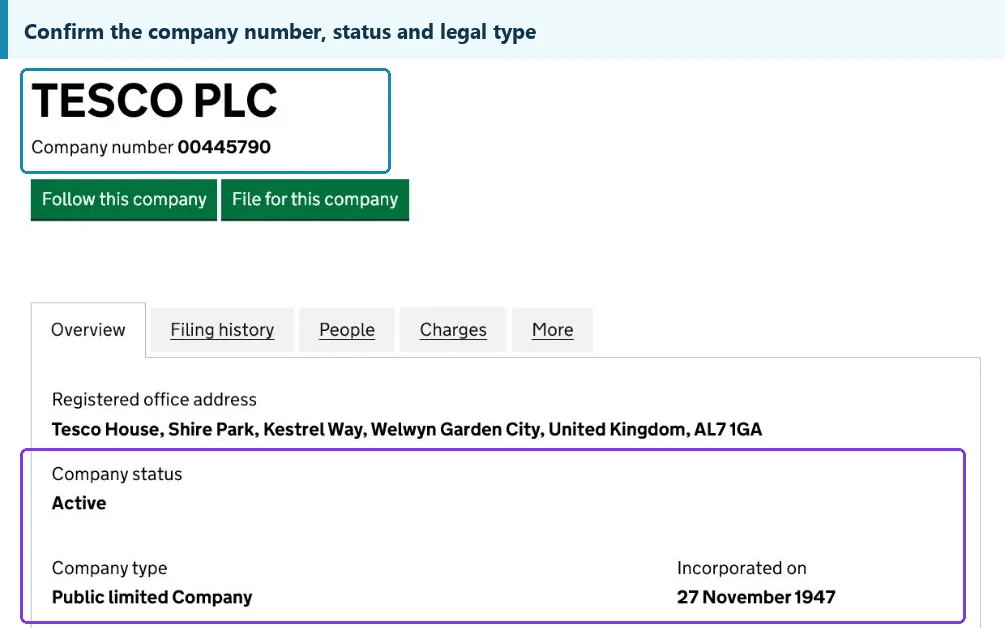
Supplier Verification
Useful when supplier capability, production reliability, or documentation risk affects schedule assumptions.
The right approach is not to manage every issue inside one spreadsheet.
Use the appropriate procurement resource for the stage causing the delay.
Construction Procurement Schedule Checklist
Before relying on the schedule, confirm:
- Every critical material has a clear required-on-site date.
- Long-lead items have been identified.
- Supplier lead-time start conditions are understood.
- Supplier document preparation time is included.
- Material submittal time is included.
- Consultant review time is included.
- Revision or resubmission allowance is considered where relevant.
- Latest approval date is visible.
- Latest PO date is visible.
- Production duration is confirmed.
- Inspection or testing time is included where required.
- Packing time is considered.
- Shipping and customs assumptions are realistic.
- Planned and actual dates are tracked separately.
- Current status and next action are visible.
- Schedule risks are actively reviewed and escalated.
Turn Material Dates Into a Procurement Control Schedule
Use the Project Documents & Submittals collection for procurement schedules, submittal logs, material approval trackers and document registers. Use RFQ, freight and supplier-verification resources when a specific stage is driving the schedule risk.
FAQ
What should be included in a construction procurement schedule?
A useful schedule normally includes the material, supplier, required-on-site date, submittal and approval dates, latest PO date, production duration, inspection, shipment, delivery milestones, current status, and next action.
How do you calculate the latest PO date?
Work backward from the required-on-site date by subtracting logistics, customs, production, packing, inspection, and appropriate schedule buffers. The exact calculation depends on the product and supply route.
Should material approval be included in the procurement schedule?
Yes, where project approval is required before the material can be ordered, manufactured, or released. Approval time is part of the real procurement cycle.
What is the difference between a procurement schedule and a submittal log?
A submittal log mainly tracks document and approval status. A procurement schedule tracks when approval, purchasing, production, shipping, and delivery must happen.
What are long-lead items in construction procurement?
Long-lead items are materials or equipment that require earlier procurement action because their approval, manufacturing, availability, customization, or logistics time is relatively long compared with the project's required date.
